
Faroogi, et al (2024) Greenhouse gas emissions, carbon stocks and wheat productivity following biocharBiochar is a carbon-rich material created from biomass decomposition in low-oxygen conditions. It has important applications in environmental remediation, soil improvement, agriculture, carbon sequestration, energy storage, and sustainable materials, promoting efficiency and reducing waste in various contexts while addressing climate change challenges. More, compost and vermicompost amendments: comparison of non-saline and salt-affected soils. Scientific Reports. https://doi.org/10.1038/s41598-024-56381-y
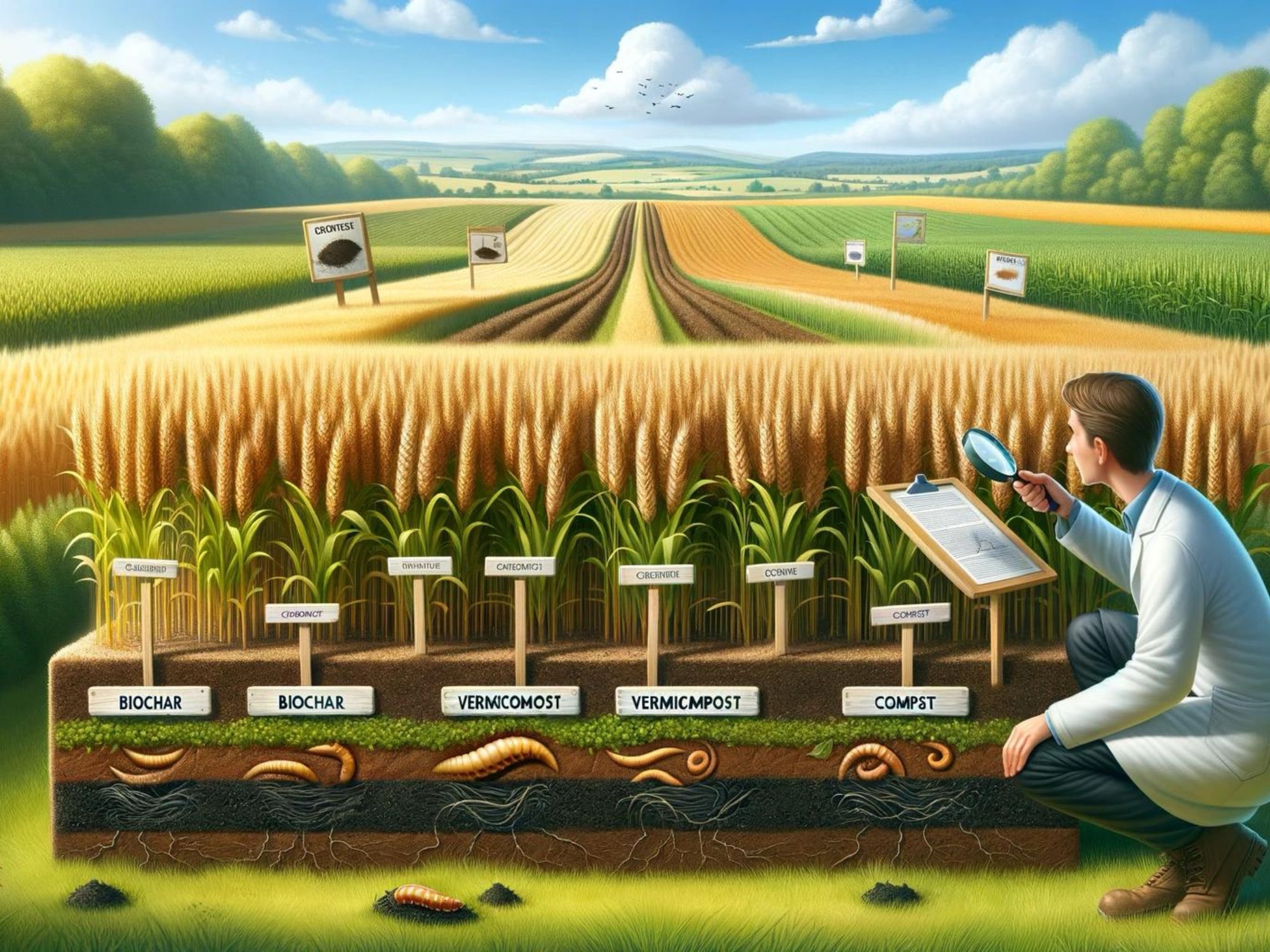
In a recent study, researchers delved into the complex interplay between organic amendments, greenhouse gas (GHG) emissions, and carbon stocks in agriculture, particularly focusing on salt-affected soils. This exploration is critical for agroecosystem management and climate change assessment, as agriculture significantly contributes to global GHG emissions. The study utilized a pot experiment to analyze the effects of biochar, vermicompost, and compost on wheat production in both non-saline and salt-affected soils. The findings revealed a notable increase in soil organic carbon and crop productivity, especially with vermicompost, enhancing plant growth and grain yield significantly in both soil types.
However, the research also highlighted a downside: increased GHG emissions, particularly from vermicompost and compost treatments, pointing to a trade-off between soil health improvements and climate change mitigation. Biochar emerged as the most effective amendment in raising soil organic carbon without escalating net GHG emissions, suggesting a viable pathway for managing soil health and crop production sustainably.
The significance of soil organic matter in the global carbon cycle is underscored, with soil organic carbon stocks playing a pivotal role. The study contextualizes its findings within the broader challenges of managing salt-affected soils, which cover a substantial global area and are highly susceptible to climate change impacts. By examining the effects of different organic amendments on GHG emissions and carbon sequestration, the research contributes valuable insights into sustainable soil management practices. These findings are essential for developing strategies that not only enhance crop yield but also mitigate the adverse effects of agricultural practices on the climate, offering a balanced approach to tackling the dual challenges of food security and environmental sustainability.




Leave a Reply