
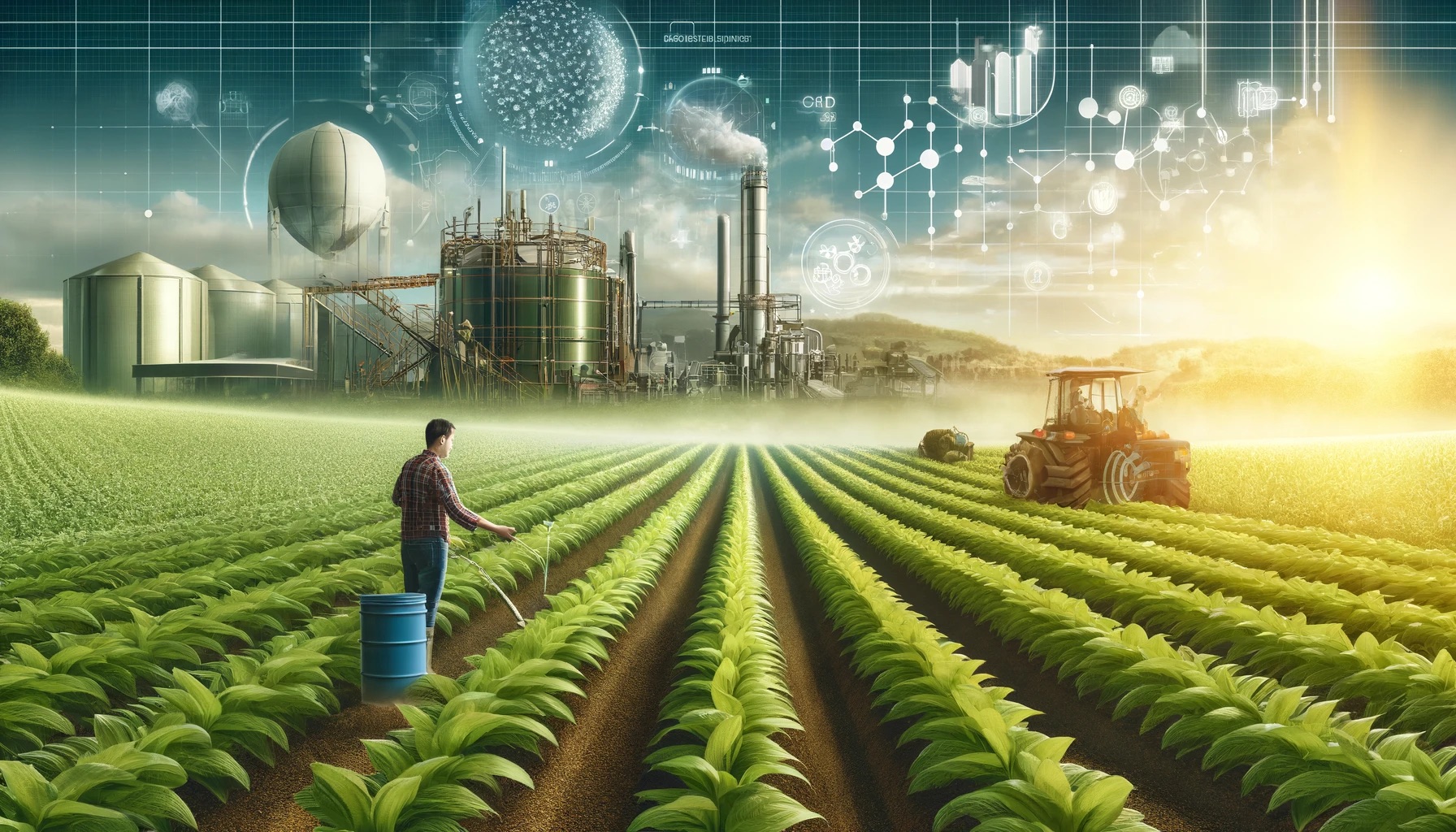

Biochar emerges as a promising, environmentally friendly alternative to traditional phosphatic fertilizers. These conventional fertilizers, while boosting crop yields, have significant drawbacks, including high costs and environmental harm due to P fixation and leachingLeaching is the process where nutrients are dissolved and carried away from the soil by water. This can lead to nutrient depletion and environmental pollution. Biochar can help reduce leaching by improving nutrient retention in the soil. More.
Modified biochar, produced by optimizing properties like porosityPorosity of biochar is a key factor in its effectiveness as a soil amendment and its ability to retain water and nutrients. Biochar’s porosity is influenced by feedstock type and pyrolysis temperature, and it plays a crucial role in microbial activity and overall soil health. Biochar More, surface area, and cation exchange capacity, shows enhanced ability to adsorb and retain P, making it more bioavailable to plants. By adjusting its pHpH is a measure of how acidic or alkaline a substance is. A pH of 7 is neutral, while lower pH values indicate acidity and higher values indicate alkalinity. Biochars are normally alkaline and can influence soil pH, often increasing it, which can be beneficial More levels and functional groups to match the phosphate’s zero point of charge, biochar’s efficiency in P management improves significantly.
Nanotechnology and advanced characterization techniques further refine our understanding of biochar’s structural properties and its interactions with phosphorus. This fine-tuning enables farmers to use P more efficiently, reducing dependence on traditional fertilizers and minimizing environmental impacts such as greenhouse gas emissions and eutrophication from P runoff.
The review underscores the significant potential of modified biochar in sustainable agriculture, highlighting its benefits in enhancing soil fertility, improving crop yields, and reducing environmental degradation. Moreover, it identifies research gaps and future opportunities for further modifications of biochar to maximize its effectiveness.
The adoption of modified biochar not only supports sustainable phosphorus management but also aligns with the broader goals of sustainable agriculture, ensuring food security and environmental health amid a growing global population.
Key Takeaways:
- Modified Biochar Properties: Increased porosity, surface area, and cation exchange capacity improve P adsorption and retention.
- Environmental Benefits: Reduced reliance on traditional fertilizers minimizes greenhouse gas emissions and P leaching.
- Sustainable Agriculture: Enhances soil fertility and crop yields while mitigating environmental impacts.
- Future Research: Further modifications and advanced technologies can optimize biochar’s effectiveness in phosphorus management.





Leave a Reply