
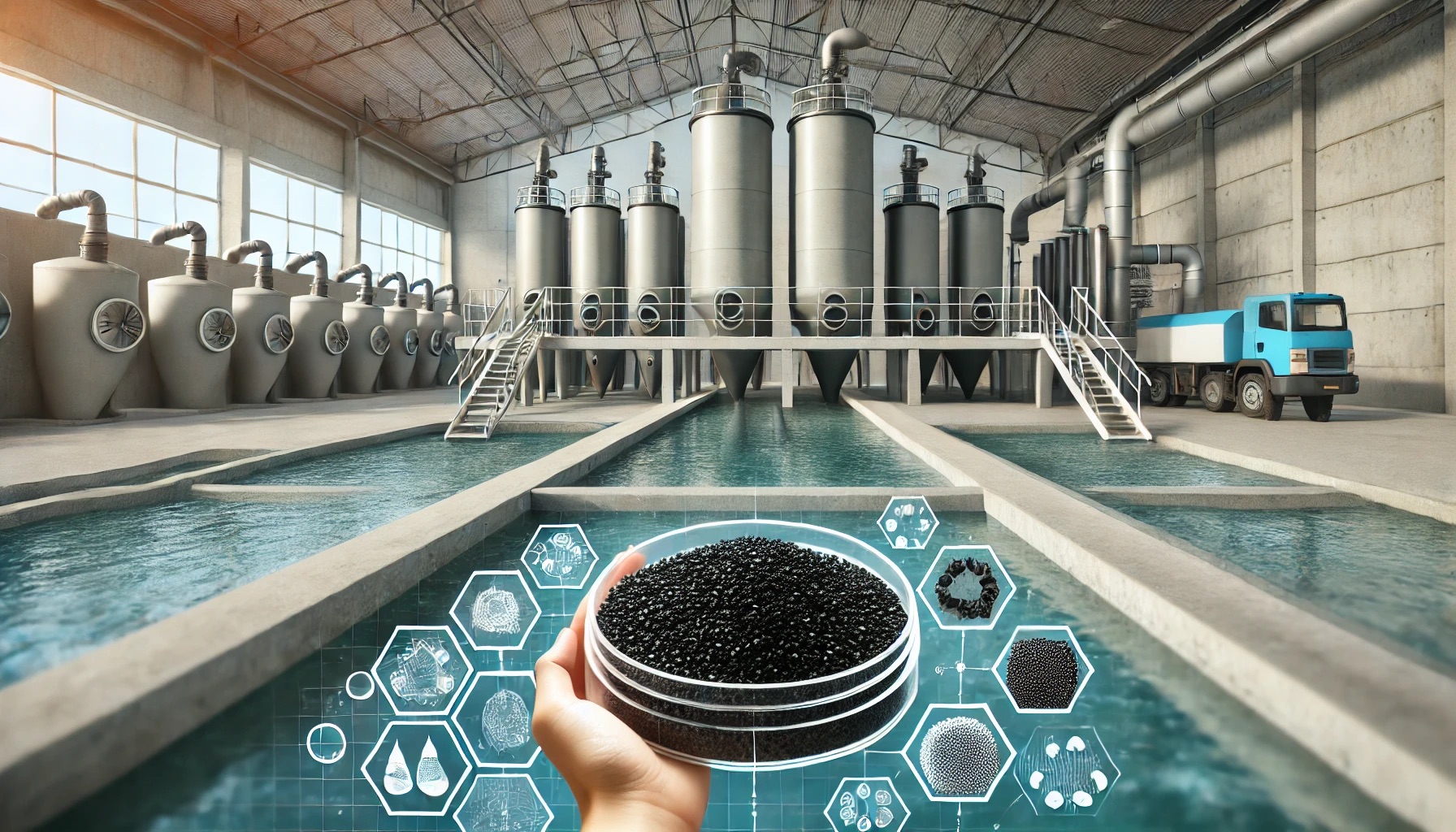

A recent study published in Water Research explores a sustainable approach to improving nitrogen removal in wastewater with a low carbon-to-nitrogen (C/N) ratio. The research, led by Yinglin Wang and colleagues, focuses on using biochar derived from recycled sludge to enhance the efficiency of denitrification processes in wastewater treatment plants (WWTPs).
Low C/N wastewater presents a challenge for traditional biological nitrogen removal, as it lacks sufficient organic carbon for microbial processes. The study shows that adding sludge-based biochar to sequencing batch reactors (SBRs) improved the removal efficiencies of chemical oxygen demand (COD), ammonium (NH4+-N), and total nitrogen (TN), achieving rates of 97.2%, 99.2%, and 83.8%, respectively.
Biochar, prepared at 400°C, exhibited favorable surface properties for electron transfer, boosting the activity of key denitrification enzymes and microbial communities. The researchers observed significant increases in ammonia oxidation, nitrite oxidation, and nitrate and nitrite reduction rates. The activity of genes and enzymes involved in denitrification also rose, indicating enhanced nitrogen removal.
Additionally, biochar acted as an electron shuttle, increasing electron transfer system activity by 60%. This study highlights biochar’s potential as a sustainable solution to improve wastewater nitrogen removal, while simultaneously addressing sludge disposal challenges in WWTPs.
By recycling sludge into biochar, WWTPs can lower operational costs and carbon emissions, providing an environmentally friendly solution for wastewater treatment under low C/N conditions.


Leave a Reply