
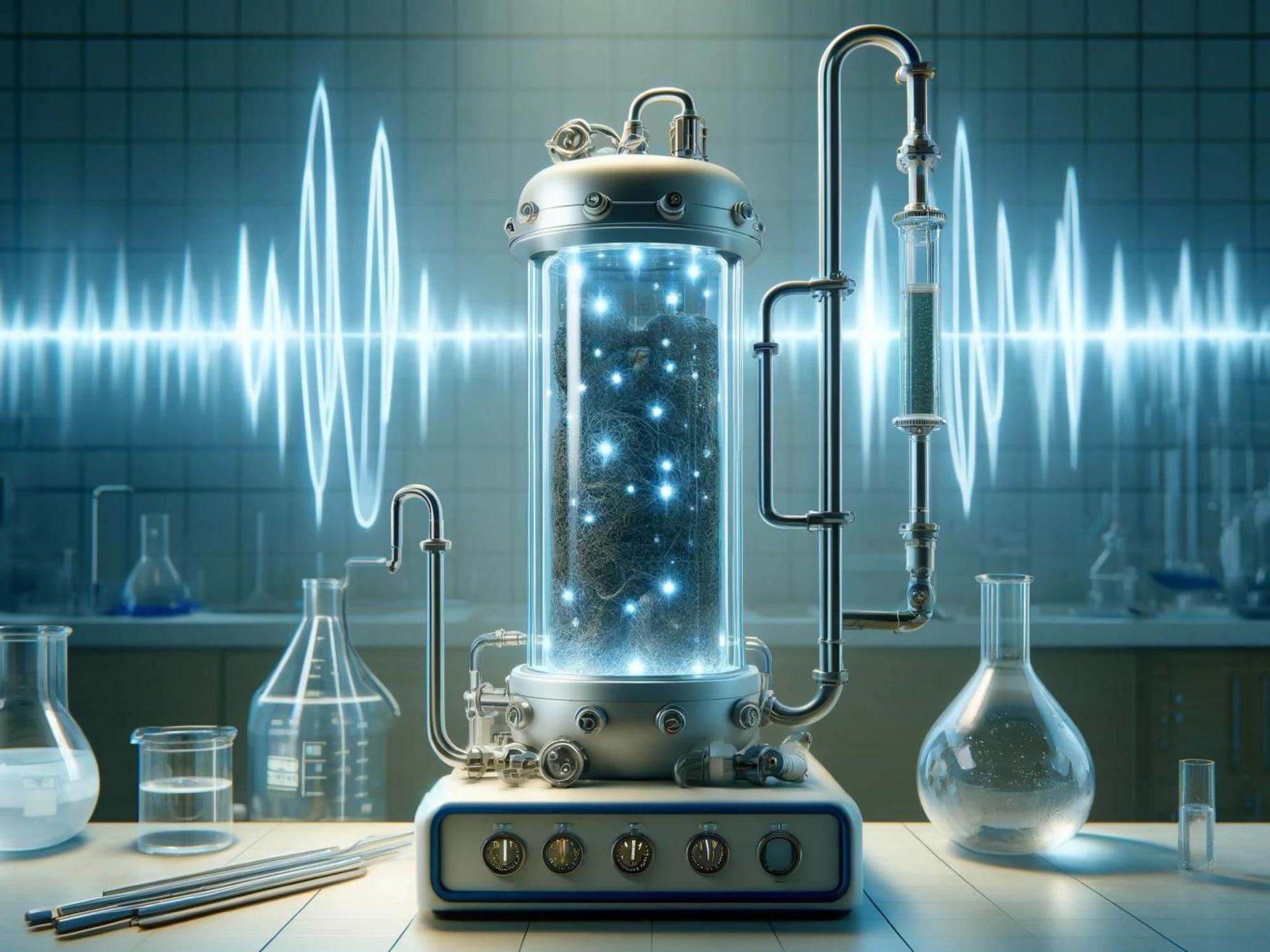

In recent research, strategies involving the addition of biochar and the application of electric fields were evaluated for their effectiveness in anaerobic digestion (AD) of food waste slurry (FWS). The study demonstrated that these strategies, both individually and in combination, significantly improve the start-up and efficiency of AD processes, ultimately boosting methane production by 34.1% over a 50-day period.
Biochar was shown to enhance the secretion of protein-like extracellular polymeric substances (EPS) in the bulk sludge. These substances are crucial for facilitating extracellular electron transfer (EET), which is a vital process in syntrophic methanogenesis—the cooperative conversion of organic compounds into methane by different microbial species. The porous nature of biochar provides a conducive environment for microbial attachment and activity, buffering the acidic conditions typically caused by volatile fatty acids (VFA) and promoting a more efficient electron transfer.
Conversely, the electric field mainly influenced the electrochemical activities and the evolution of microbial communities within the electrode biofilm. By applying a controlled electric field, the study found an increase in the electrochemical activity of both anodes and cathodes, which improved cell viability in the cathodic biofilm. This environment proved favorable for filamentous Methanospirillum, a microorganism essential for the cathodic breakdown of organic substances into methane.
The dual strategy of biochar addition coupled with electric stimulation (bioelectrochemical anaerobic digestion, BEAD) was found to be particularly effective. This coupling not only promoted rapid VFA oxidation but also enhanced methanogenesis significantly more than either strategy used alone. The integrated approach established an electroactive matrix that supported syntrophic relationships necessary for efficient methanogenesis.
Overall, the findings confirm the distinct and complementary roles of biochar and electric fields in enhancing methane production through AD. By optimizing the conditions for microbial interactions and electron transfers, these strategies offer promising pathways towards achieving carbon neutrality through the effective management of municipal bio-waste. This study sets the stage for further exploration of low-carbon technologies in waste treatment and bioenergy production, highlighting the potential of biochar and electric field applications in scaling up sustainable methane production.



Leave a Reply