
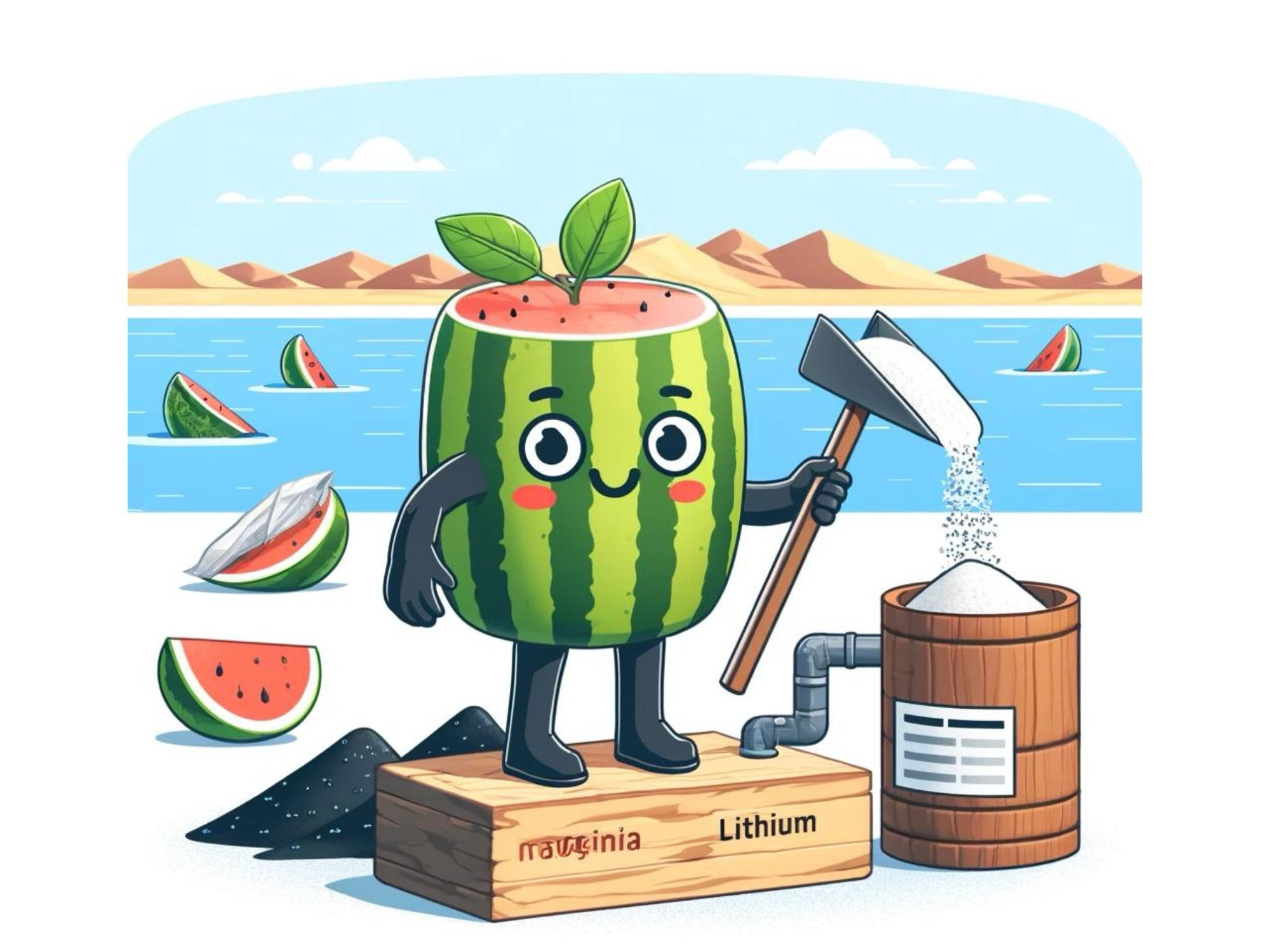

Efficient lithium extraction from salt lake brines with high magnesia-lithium ratios presents significant challenges. Researchers have developed a novel solution using biochar-based, three-dimensional (3D) conductive network thick electrodes, demonstrating promising results for the lithium extraction industry.
In a recent study published in Chemosphere, researchers introduced a biochar-based thick electrode (approximately 20 mg/cm²) created through in-situ deposition of LiFePO4 (LFP) onto watermelon peel biomassBiomass is a complex biological organic or non-organic solid product derived from living or recently living organism and available naturally. Various types of wastes such as animal manure, waste paper, sludge and many industrial wastes are also treated as biomass because like natural biomass these More (WB). This innovative electrode design enhances kinetic performance and lithium intercalation capacity, even in brines with high magnesia-lithium ratios.
The thick electrode showcased impressive performance metrics: an intercalation capacity of 30.67 mg/g within 10 minutes in a pure lithium solution and 31.17 mg/g in simulated high magnesia-lithium ratio brines. Furthermore, in actual brine, it achieved a significant extraction capacity of 23.87 mg/g, effectively reducing the magnesia-lithium ratio from 65 to 0.50.
This approach leverages the affordability and unique 3D structure of biocharBiochar is a carbon-rich material created from biomass decomposition in low-oxygen conditions. It has important applications in environmental remediation, soil improvement, agriculture, carbon sequestration, energy storage, and sustainable materials, promoting efficiency and reducing waste in various contexts while addressing climate change challenges. More, offering a sustainable solution for lithium extraction. The utilization of watermelon peel biomass not only enhances lithium absorption capacity but also supports environmental sustainability through the comprehensive use of biological resources.
The study highlights the potential of biochar-enhanced thick electrodes in overcoming the limitations of traditional lithium extraction methods. By improving the efficiency of lithium separation from brines, this research paves the way for more effective and sustainable lithium extraction technologies, meeting the growing demand driven by advancements in lithium-ion battery technology and the increasing consumption of lithium resources.



Leave a Reply