
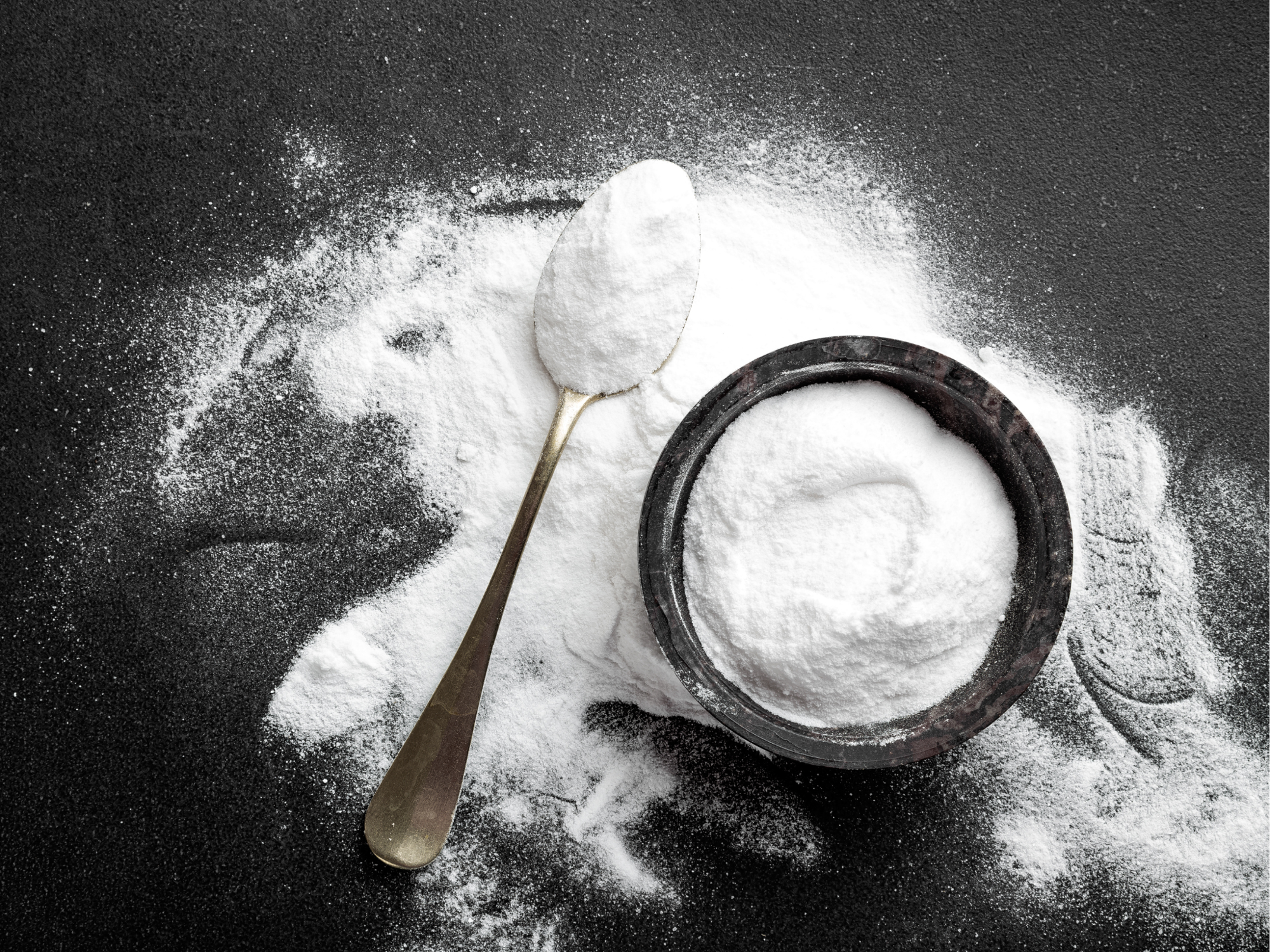

This research focuses on the production of sodium bicarbonate modified biochar from Chlorella pyrenoidosa biomass through fast pyrolysisPyrolysis is a thermochemical process that converts waste biomass into bio-char, bio-oil, and pyro-gas. It offers significant advantages in waste valorization, turning low-value materials into economically valuable resources. Its versatility allows for tailored products based on operational conditions, presenting itself as a cost-effective and efficient More. Elevated temperatures contribute to increased porosityPorosity of biochar is a key factor in its effectiveness as a soil amendment and its ability to retain water and nutrients. Biochar’s porosity is influenced by feedstock type and pyrolysis temperature, and it plays a crucial role in microbial activity and overall soil health. Biochar More and a larger surface area, with the highest specific surface area (1282.82 m²/g) achieved at 750 °C. Sodium bicarbonate as an activator plays a role in creating additional pores and craters.
The study emphasizes the biochar’s effectiveness in removing heavy metals, particularly lead, with a maximum adsorption capacity estimated at 159.071 mg/g according to the Langmuir model. The irreversibility of the adsorption process is noted, indicating long-term efficacy.
The research also addresses challenges posed by heavy metal pollution in wastewater and the limitations of conventional treatment methods. It highlights the advantages of using biochar derived from microalgae, specifically Chlorella pyrenoidosa, as an adsorption material.
Through comprehensive testing, including X-ray diffraction and performance tests, the manuscript establishes the heavy metal removal performance of the synthesized modified biochar. Active sites on the biochar’s surface facilitate irreversible adsorption of heavy metals. In conclusion, the study represents progress in sustainable water management, specifically in heavy metal removal, showcasing the potential of modified biochar as an adsorbent material.



Leave a Reply