

Farhain, et al (2024) Paper mill wastes and biocharBiochar is a carbon-rich material created from biomass decomposition in low-oxygen conditions. It has important applications in environmental remediation, soil improvement, agriculture, carbon sequestration, energy storage, and sustainable materials, promoting efficiency and reducing waste in various contexts while addressing climate change challenges. More improve physiochemical properties and reduce heavy metals leachingLeaching is the process where nutrients are dissolved and carried away from the soil by water. This can lead to nutrient depletion and environmental pollution. Biochar can help reduce leaching by improving nutrient retention in the soil. More risks in podzolic soils. Environmental Research Communications. DOI 10.1088/2515-7620/ad4985
Biochar and papermill wastes (PMW) like wood ashAsh is the non-combustible inorganic residue that remains after organic matter, like wood or biomass, is completely burned. It consists mainly of minerals and is different from biochar, which is produced through incomplete combustion. Ash Ash is the residue that remains after the complete More and paper sludge offer promising solutions to improve soil quality in boreal agroecosystems. These regions, characterized by poor soil fertility and extreme weather, can greatly benefit from such organic amendments. A recent study evaluated the effects of these materials on soil properties and heavy metal leaching.
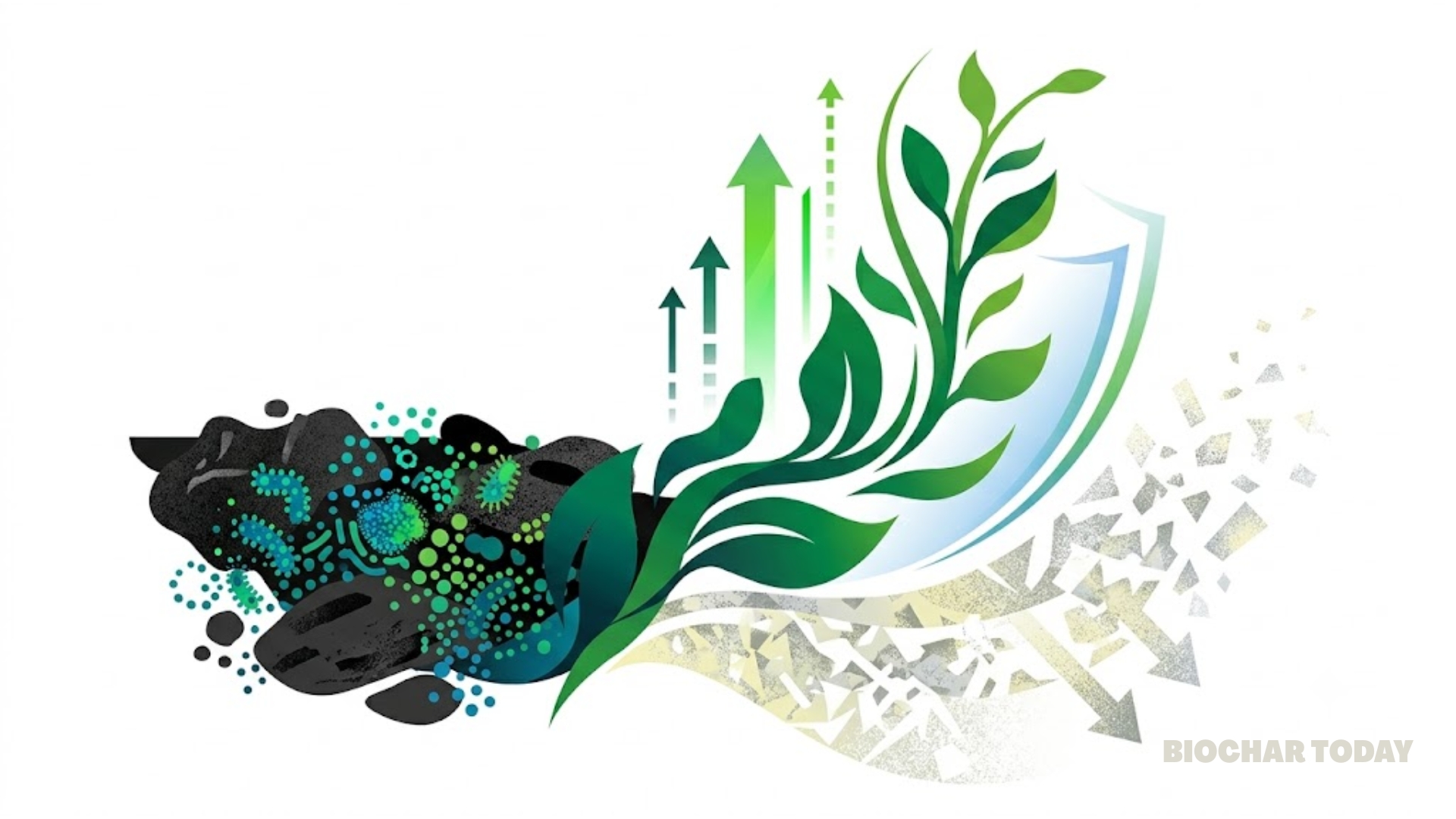
The study revealed that biochar significantly enhanced soil physicochemical properties, including pHpH is a measure of how acidic or alkaline a substance is. A pH of 7 is neutral, while lower pH values indicate acidity and higher values indicate alkalinity. Biochars are normally alkaline and can influence soil pH, often increasing it, which can be beneficial More, electrical conductivity, and cation exchange capacity. The combination of biochar with paper sludge was particularly effective, improving soil organic matter, total porosityPorosity of biochar is a key factor in its effectiveness as a soil amendment and its ability to retain water and nutrients. Biochar’s porosity is influenced by feedstock type and pyrolysis temperature, and it plays a crucial role in microbial activity and overall soil health. Biochar More, field capacity, and plant available water by up to 40% compared to untreated soils. These improvements are crucial for supporting crop growth in nutrient-deficient podzolic soils common in boreal regions .
Moreover, biochar and PMW amendments showed a positive impact on heavy metal retention. Treatments with biochar significantly reduced the leaching of cadmium, cobalt, copper, lead, and nickel. Even for arsenic, chromium, and molybdenum, the concentrations were lower compared to untreated soils, though not significantly so. This reduction in heavy metal mobility is vital for preventing groundwater contamination and ensuring environmental safety .
Simulation studies using the Hydrus-1D model supported these findings, showing that biochar and PMW treatments increased soil moisture content and delayed leachate formation. These benefits underscore the potential of biochar and PMW to enhance soil water retention and reduce the environmental risks associated with heavy metal leaching .
In conclusion, integrating biochar and papermill wastes into soil management practices can significantly improve the sustainability and productivity of boreal agroecosystems. Further research and field trials are recommended to refine application guidelines and maximize these benefits across different soil types and climatic conditions .



Leave a Reply