
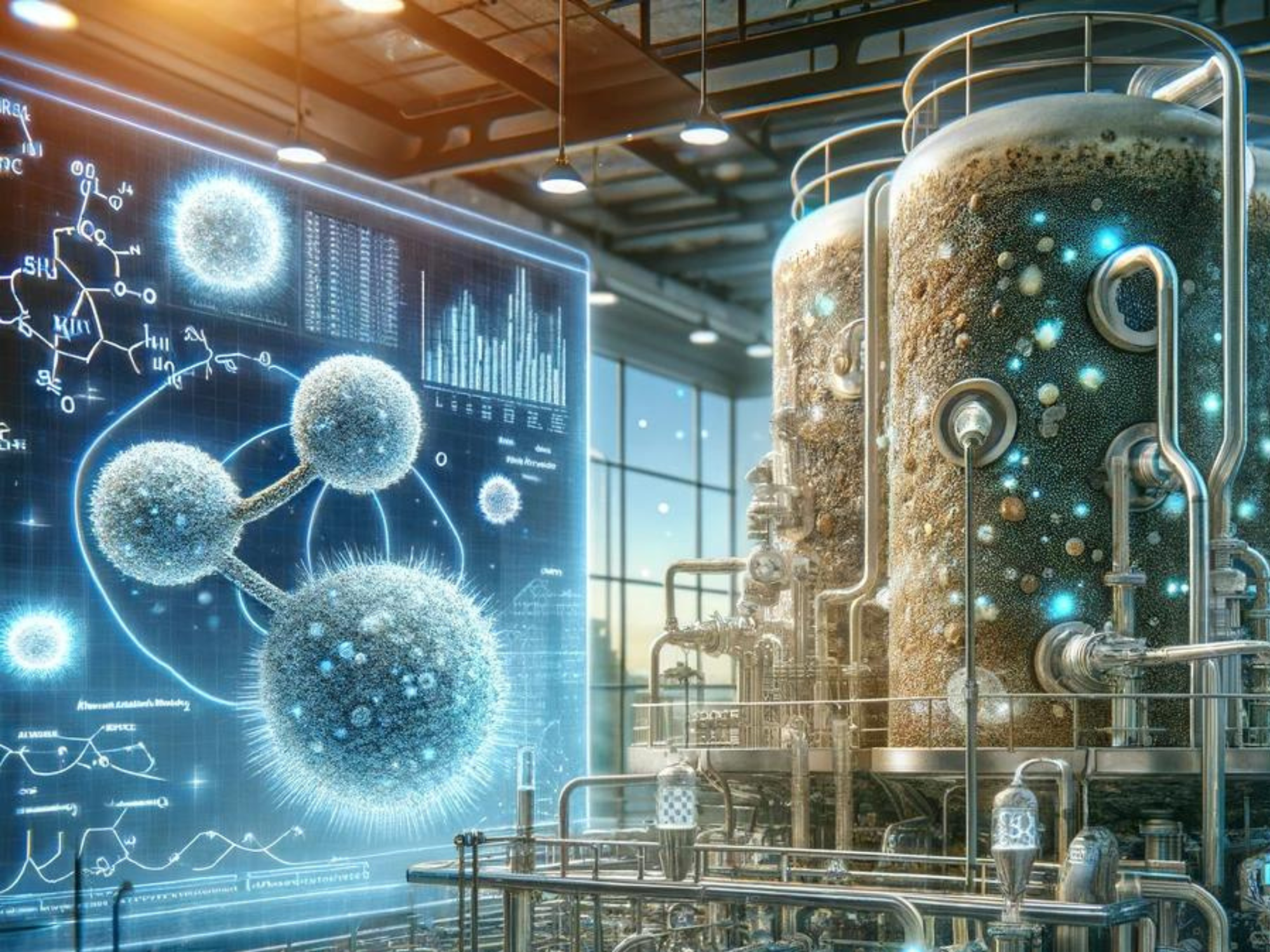

The increasing interest in leveraging carbon-based materials like biochar to boost methanogenic activities in anaerobic digestion (AD) systems has brought to light the critical role of biochar’s physicochemical properties in such enhancements, especially under conditions of ammonia inhibition. Recent research delves deep into the mechanisms through which biochar, characterized by a rich presence of C-O bonds, high defect density, and substantial electronic capacity, significantly improves the performance of AD systems when faced with ammonia levels as high as 5.0 g/L. By shortening the lag phase of AD by approximately 63% compared to control setups, biochar has proven to be a pivotal element in regulating microbial community structures, fostering the proliferation of acetate-consuming bacteria, and promoting direct interspecies electron transfer (DIET).
This advancement is marked by a noticeable reduction in bound electroactive extracellular polymeric substances, alongside an increase in the abundance of electroactive bacteria. Further, the research illuminated through meta-transcriptomic analysis, the upregulation of genes associated with conductive pili and cytochrome C, integral to DIET, alongside genes linked to ammonium detoxification. These findings not only underscore the significant influence of biochar on AD under ammonia stress but also open pathways for the targeted development of biochar, engineered to optimize AD operations in similar inhibitory conditions.
The comprehensive study not only sheds light on the beneficial modifications in the microbial communities within biochar-amended AD systems but also marks a significant step towards the detailed understanding of the genetic underpinnings through meta-transcriptomic analysis. This approach revealed variations in key genes, providing a deeper insight into the metabolic pathways affected by biochar in AD systems under ammonia stress. Such revelations are instrumental in paving the way for future research aimed at the precise engineering of biochar to enhance AD efficiency, offering a promising avenue for the sustainable treatment of organic waste and wastewater in the face of ammonia inhibition challenges.



Leave a Reply