
Wei, et al (2024) Efficient catalytic oxidation of xylose to formic acid with the oxygen vacancies of CeO2 promoted the vanadium catalysts anchored on biocharBiochar is a carbon-rich material created from biomass decomposition in low-oxygen conditions. It has important applications in environmental remediation, soil improvement, agriculture, carbon sequestration, energy storage, and sustainable materials, promoting efficiency and reducing waste in various contexts while addressing climate change challenges. More. Chemical Engineering Journal. https://doi.org/10.1016/j.cej.2024.157538
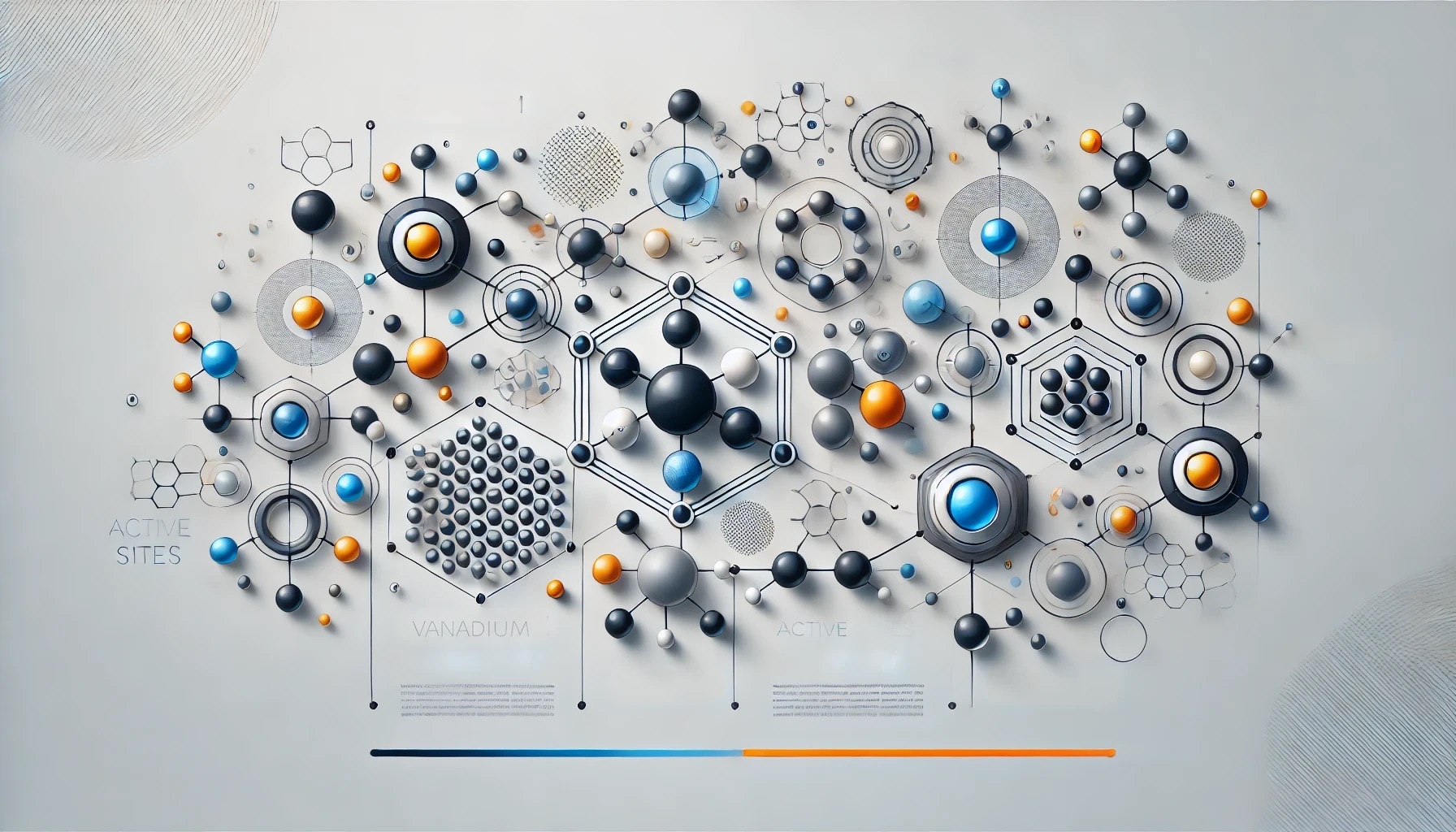
Recent research published in the Chemical Engineering Journal highlights a novel approach for efficiently converting xylose, a biomass-derived sugar, into formic acid (FA). This method utilizes a bimetallic catalyst system composed of vanadium (V) and cerium (Ce) anchored onto biochar (BC). The catalyst, referred to as 5Ce-VOx/BC-600, demonstrates superior performance compared to traditional single-metal systems, achieving a 71.46% yield of FA under optimized conditions.
Formic acid is a valuable chemical with applications in textiles, pharmaceuticals, and as a hydrogen storage medium. Current industrial production relies on fossil fuels, raising concerns about sustainability. Biomass-based production offers a renewable alternative but requires efficient catalytic processes to overcome challenges in yield and economic viability.
The study emphasizes the role of Ce in enhancing the catalyst’s performance. Cerium increases oxygen vacancies and acidic sites, facilitating substrate adsorption and oxygen activation. This synergy with vanadium improves the redox cycle of V5+/V4+, promoting efficient xylose oxidation. Additionally, biochar provides a high-surface-area support, enhancing metal dispersion and catalytic stability.
Mechanistic studies revealed that intermediates such as glyceric and glycolic acids undergo oxidation to produce FA and CO2. The catalyst also showed potential for converting other biomassBiomass is a complex biological organic or non-organic solid product derived from living or recently living organism and available naturally. Various types of wastes such as animal manure, waste paper, sludge and many industrial wastes are also treated as biomass because like natural biomass these More derivatives, demonstrating versatility and reusability.
This advancement in catalytic oxidation offers a sustainable pathway for FA production, leveraging renewable biomass while addressing environmental concerns associated with traditional methods.




Leave a Reply