
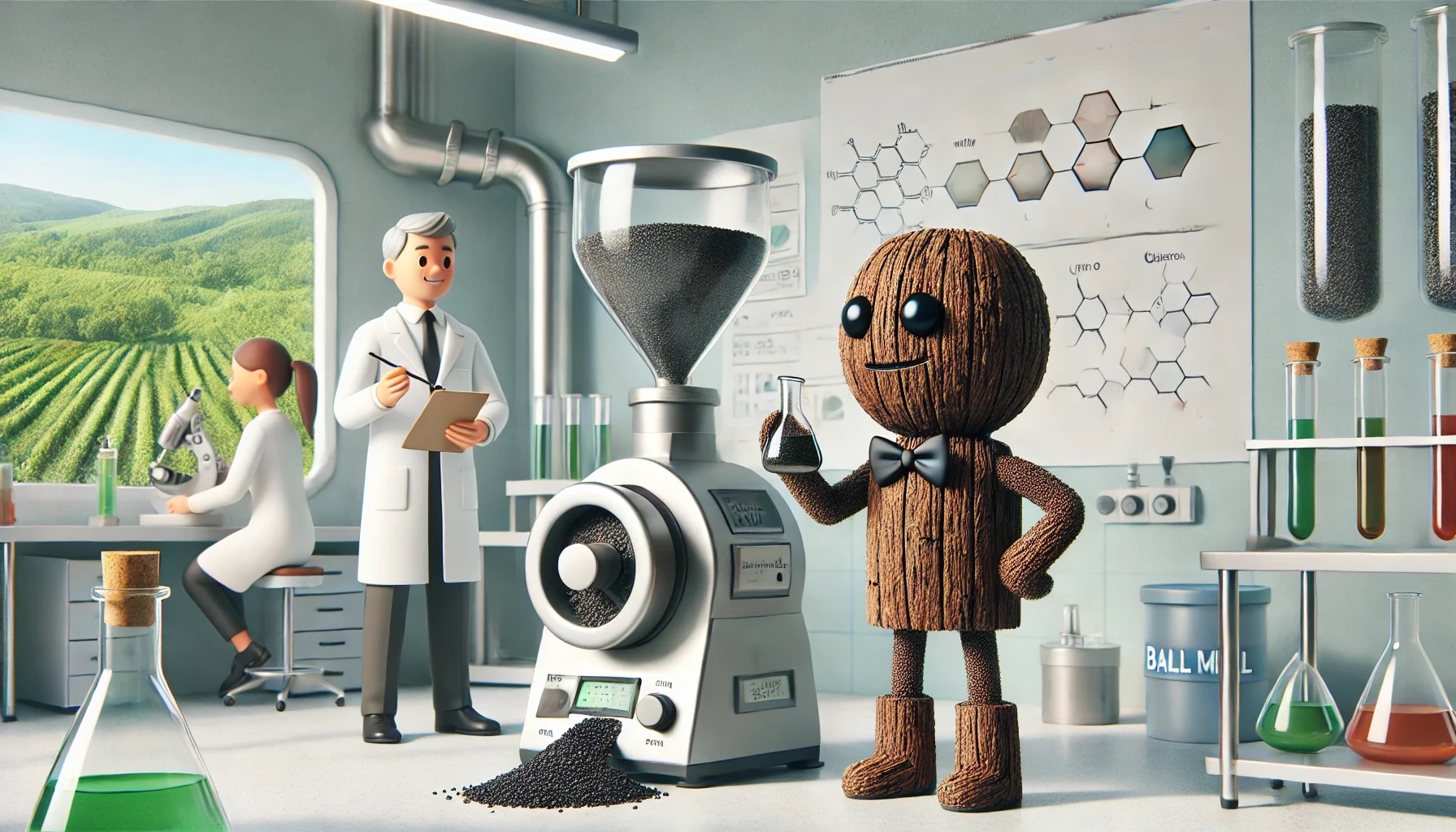

A recent study published in the Journal of Cleaner Production highlights an innovative approach to repurposing iron-rich waste into efficient catalysts for environmental cleanup. Researchers synthesized iron oxide-biochar (Iron Oxide@BiocharBiochar is a carbon-rich material created from biomass decomposition in low-oxygen conditions. It has important applications in environmental remediation, soil improvement, agriculture, carbon sequestration, energy storage, and sustainable materials, promoting efficiency and reducing waste in various contexts while addressing climate change challenges. More) nanocomposites by ball milling tea leaves with iron-rich waste, such as disposable instant hot packs (DHP). These nanocomposites demonstrated high efficiency in activating peroxymonosulfate (PMS) for degrading the antibiotic tetracycline (TC), achieving a removal efficiency of 94.7% under optimal conditions.
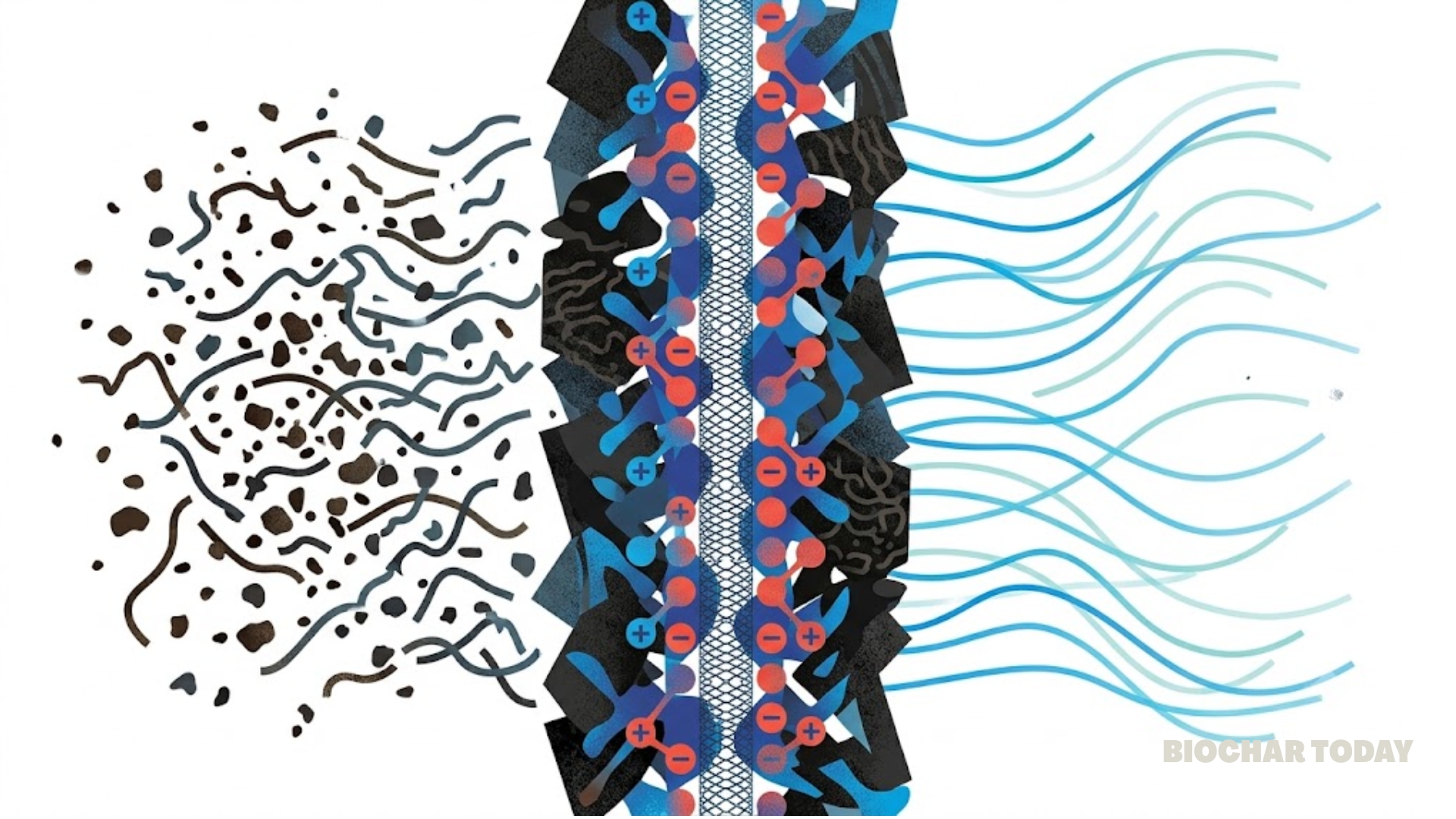
The study found that TC degradation primarily occurred through a non-radical pathway involving singlet oxygen and electron transfer, with free radicals playing a secondary role. This research offers an economical and efficient solution for recycling solid waste and reusing natural biochar. It introduces a sustainable method for preparing catalysts that align with circular economy principles, bridging the gap between waste management and resource recovery.
The use of biochar, known for its electrical properties and large surface area, enhances the catalyst’s performance. The inclusion of nitrogen-rich tea leaves improves electron transfer capabilities, further boosting the effectiveness of PMS activation. The study’s findings support the potential of using iron-rich waste and natural biochar in advanced oxidation processes (AOPs) to remove antibiotics from the environment.
This approach not only addresses the challenge of antibiotic pollution in aquaculture and livestock farming but also offers a way to mitigate environmental pollution by turning waste into valuable resources. The research underscores the importance of innovative and sustainable methods for environmental remediation.




Leave a Reply