
Xiao, et al (2024) Maximizing crop yield and water productivity through biocharBiochar is a carbon-rich material created from biomass decomposition in low-oxygen conditions. It has important applications in environmental remediation, soil improvement, agriculture, carbon sequestration, energy storage, and sustainable materials, promoting efficiency and reducing waste in various contexts while addressing climate change challenges. More application: A global synthesis of field experiments. Agricultural Water Management. https://doi.org/10.1016/j.agwat.2024.109134
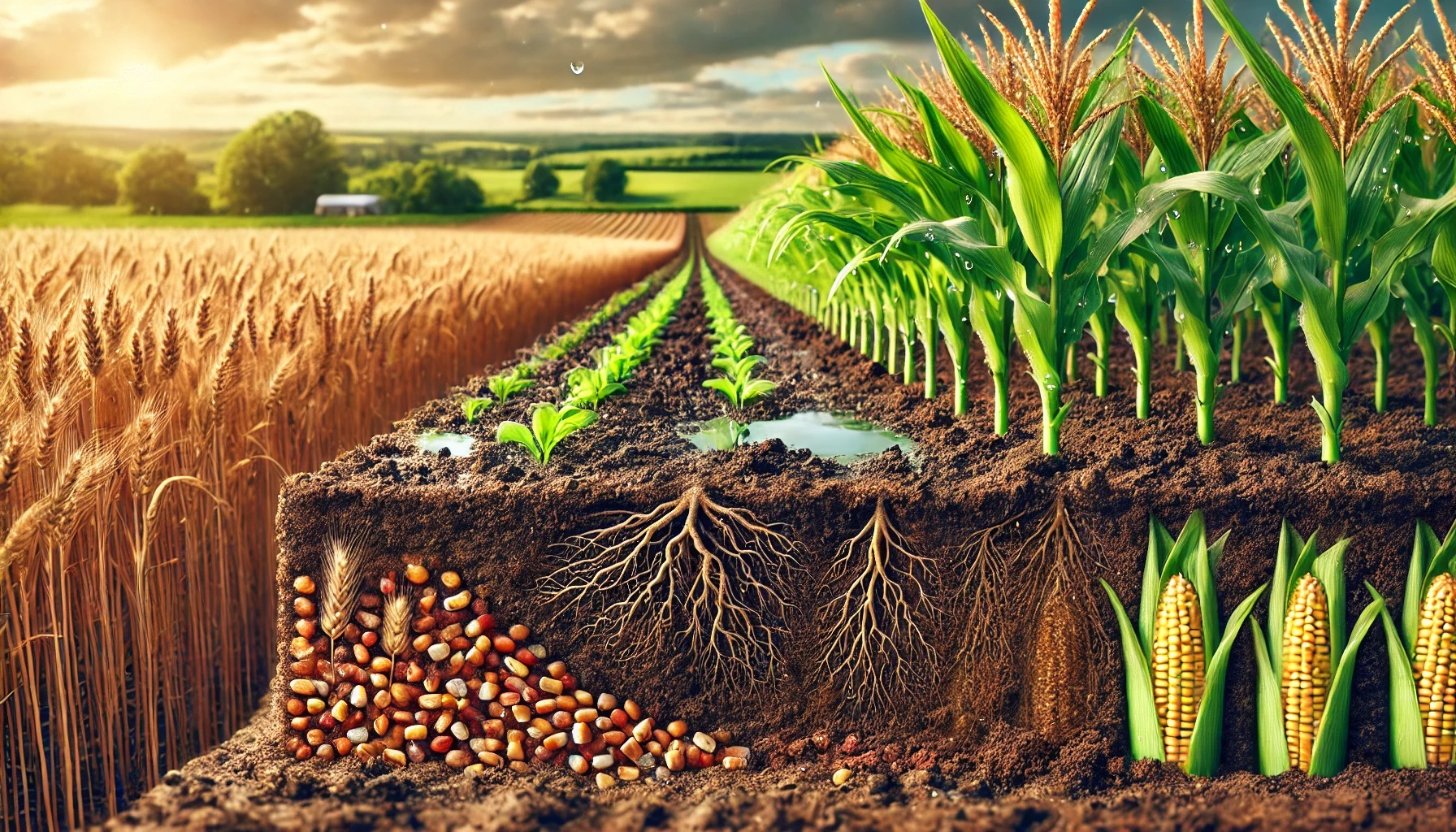
Biochar application in agriculture has demonstrated promising results for enhancing crop productivity and water use efficiency, according to a global synthesis of field studies. This study found that biochar increases crop yields by 11.2% and crop water productivity (WPc) by 14.8%, while slightly reducing evapotranspiration (ETc) by 1.8%. The highest benefits occurred with application rates above 20 tons per hectare, especially in the first year after application.
Biochar’s success varies with its characteristics and soil conditions. Biochar made from low carbon-to-nitrogen (C/N) ratio materials and processed at high pyrolysisPyrolysis is a thermochemical process that converts waste biomass into bio-char, bio-oil, and pyro-gas. It offers significant advantages in waste valorization, turning low-value materials into economically valuable resources. Its versatility allows for tailored products based on operational conditions, presenting itself as a cost-effective and efficient More temperatures typically performed best in improving yields. The benefits were more pronounced in acidic, nutrient-poor soils, particularly in warm, humid climates. Corn crops, in particular, showed higher yield gains compared to wheat and rice under biochar treatment.
The study highlighted that biochar helps improve soil properties like water-holding capacity and fertility, leading to better water use and reduced evaporation. However, the optimal application strategy—medium rates and short-term use—is essential to avoid diminishing returns. Excessive applications, especially over 30 tons per hectare, showed reduced effectiveness.
Overall, biochar application can play a significant role in sustainable agriculture, particularly by enhancing crop yield and water productivity. To maximize benefits, strategies should consider specific biochar and soil characteristics, climate conditions, and crop types.



Leave a Reply