
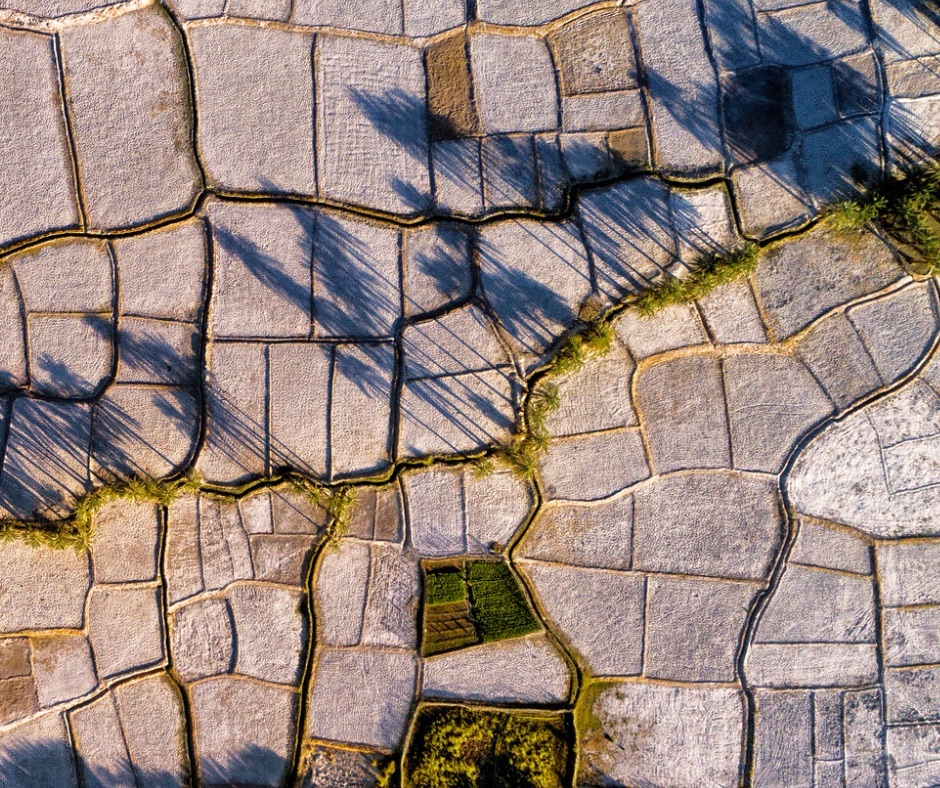

In the sun-baked soils of Iran, where water is scarce and organic matter is low, traditional farming methods have taken a toll. The use of chemical fertilizers and intensive tillage practices has only exacerbated these issues. However, a glimmer of hope emerges through a study conducted in 2019-2020, focusing on the implementation of biochar and conservation tillage to rejuvenate the soil and improve crop quality.
The study, utilizing a split-split plot design, assessed the effects of irrigation conditions, tillage systems, and biochar application on soil traits. The key findings revealed that biochar application, especially in conjunction with minimum tillage, significantly increased grain yield across all tillage methods and irrigation conditions. Notably, under dryland and irrigated conditions, oil yield improved by 23% and 29%, respectively, compared to non-biochar treatments.
Furthermore, the study delved into the composition of Nigella sativa L. oil, highlighting the significance of linoleic, oleic, and palmitic acids. Minimum tillage with biochar under irrigated conditions demonstrated the highest linoleic acid content (59%) in 2020, while no-tillage without biochar under dryland conditions in 2019 had the least (53%).
In conclusion, the study recommends the adoption of biochar with minimum tillage as a sustainable approach for enhancing Nigella sativa L. yield and oil quality in Iran’s arid and semi-arid regions. These practices offer a promising pathway for farmers to cultivate high-quality crops while ensuring the long-term health of their agricultural systems.




Leave a Reply