
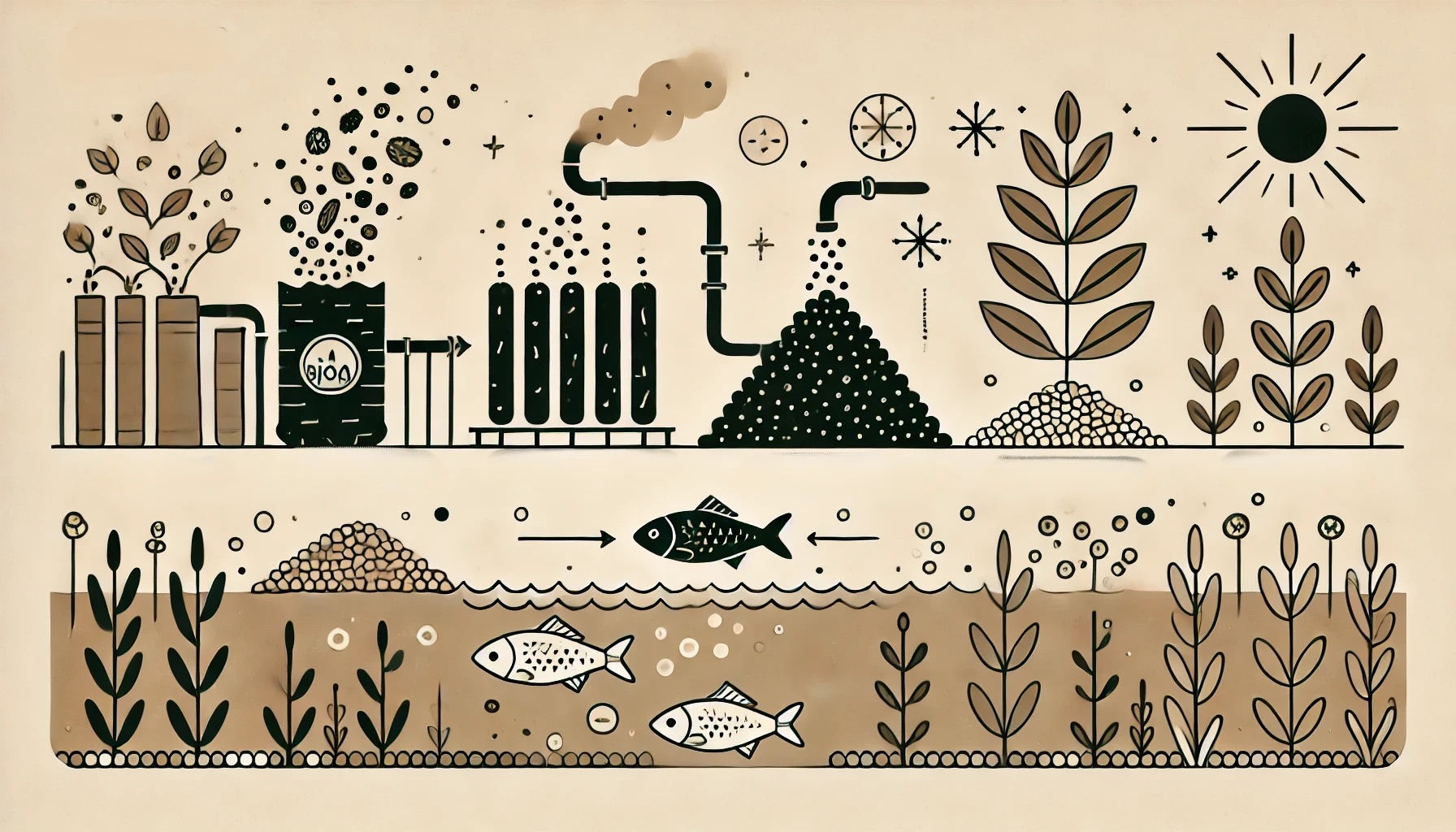

A recent study published in Bioresource Technology has highlighted the impact of increased oxygen content in biochar on reducing the bioavailability and associated toxicity of polycyclic aromatic hydrocarbons (PAHs). Biochar, a carbon-rich material derived from organic matter through pyrolysisPyrolysis is a thermochemical process that converts waste biomass into bio-char, bio-oil, and pyro-gas. It offers significant advantages in waste valorization, turning low-value materials into economically valuable resources. Its versatility allows for tailored products based on operational conditions, presenting itself as a cost-effective and efficient More, is recognized for its potential in agricultural and environmental applications. However, the presence of PAHs and heavy metals in biochar can pose significant toxicity risks.
The research focused on how different feedstocks and pyrolysis temperatures influence the physicochemical properties of biochar and its contaminant content. It was observed that the total PAH content in biochar is not a reliable predictor of its toxicity. Instead, the bioavailability of PAHs, influenced by biochar’s physicochemical characteristics, notably oxygen-containing functional groups, plays a crucial role in determining toxicity levels.
Biochars derived from plant materials and sewage sludge were tested at varying temperatures (450°C to 700°C). Results showed that increasing pyrolysis temperatures generally decreased the total PAH content, but the bioavailability of these compounds did not follow a consistent pattern. For instance, biochar produced at 700°C had a lower total PAH content but higher bioavailable PAHs compared to those produced at lower temperatures.
Additionally, the study evaluated the impact of biochar on various organisms, including bacteria, plants, and fish. It was found that while some biochars had beneficial effects on plant growth and microbial activity, others posed toxicity risks to aquatic life, highlighting the complexity of biochar’s environmental interactions.
Overall, the study suggests that enhancing the oxygen content in biochar can mitigate the toxicity related to PAHs. However, comprehensive ecotoxicity testing is essential to ensure the safe application of biochar in environmental contexts. The findings underscore the need for further research to fully understand and optimize the use of biochar in mitigating environmental pollutants.

Leave a Reply