

Fedeli, R., Celletti, S., Alexandrov, D. et al.Biochar-mediated bioremediation: a sustainable strategy to increase Avena sativa L. tolerance to crude oil soil contamination.Environ Sci Pollut Res (2024). https://doi.org/10.1007/s11356-024-34732-6
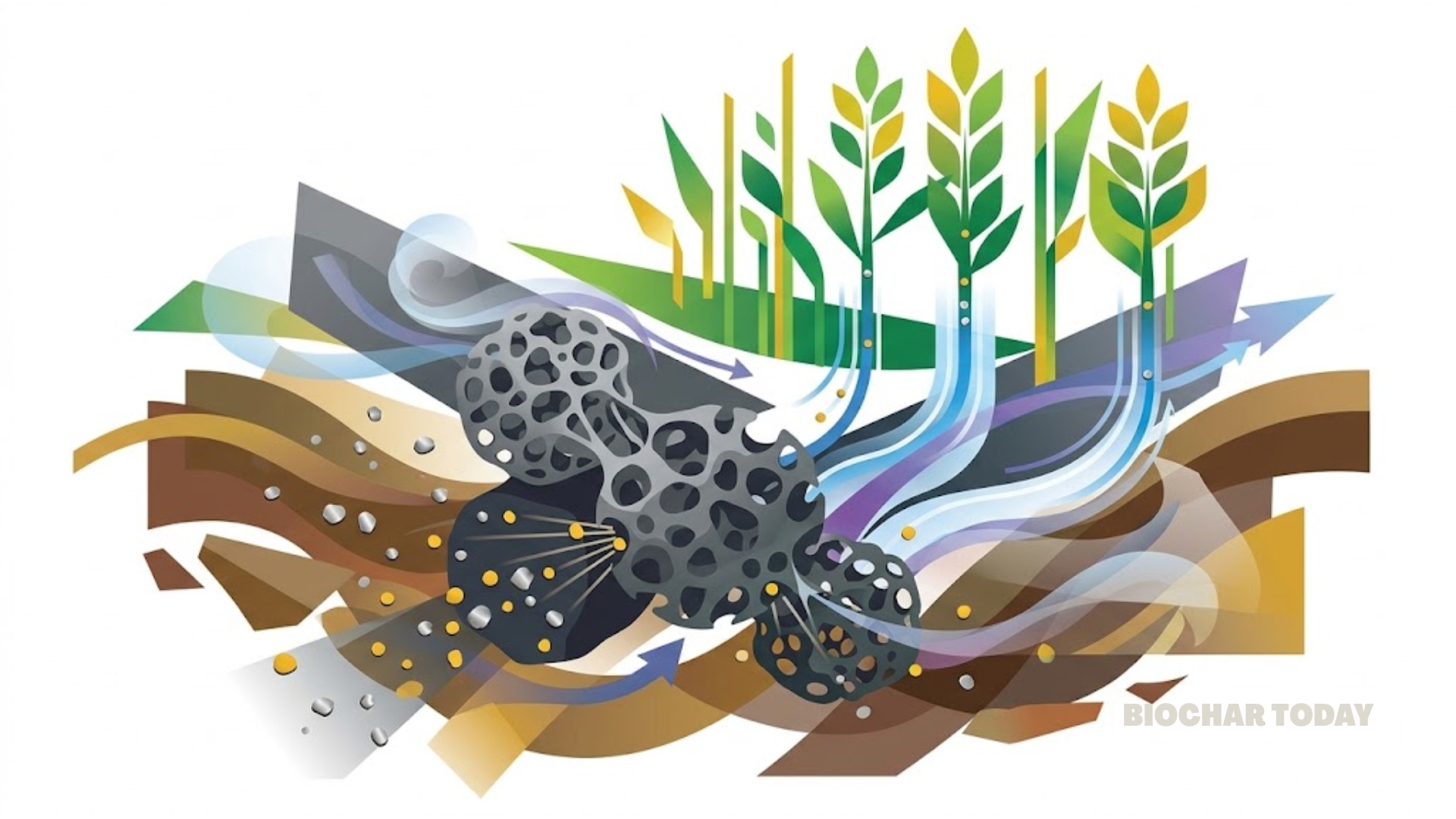
BiocharBiochar is a carbon-rich material created from biomass decomposition in low-oxygen conditions. It has important applications in environmental remediation, soil improvement, agriculture, carbon sequestration, energy storage, and sustainable materials, promoting efficiency and reducing waste in various contexts while addressing climate change challenges. More, a byproduct of biomassBiomass is a complex biological organic or non-organic solid product derived from living or recently living organism and available naturally. Various types of wastes such as animal manure, waste paper, sludge and many industrial wastes are also treated as biomass because like natural biomass these More pyrolysisPyrolysis is a thermochemical process that converts waste biomass into bio-char, bio-oil, and pyro-gas. It offers significant advantages in waste valorization, turning low-value materials into economically valuable resources. Its versatility allows for tailored products based on operational conditions, presenting itself as a cost-effective and efficient More, has emerged as a sustainable tool for soil remediation, particularly in environments contaminated by crude oil. A recent study investigated the effects of different biochar concentrations (2.5%, 5%, 10%) on the growth and health of oat plants (Avena sativa L.) in soils contaminated with varying levels of crude oil (0.5%, 1%, 2%, 3%, 6%).
The study found that biochar significantly improved plant growth across all oil contamination levels, enhancing the fresh weight of oat shoots by up to 102.6% in the most contaminated soils. In addition to promoting growth, biochar also mitigated oxidative stress in plants, as evidenced by reduced levels of malondialdehyde (MDA) and proline, two biochemical markers of stress. Biochar concentrations above 2.5% resulted in a substantial reduction in MDA and proline (up to 52% less), indicating decreased oxidative damage in plant tissues.
Moreover, the antioxidant capacity of oat plants increased significantly with biochar treatment, especially at higher crude oil concentrations, highlighting biochar’s role in enhancing the plants’ natural defense mechanisms.
These findings suggest that biochar not only improves soil structure and nutrient availability but also plays a key role in reducing the bioavailability of toxic hydrocarbons, thus enabling better plant resilience. As a low-cost, eco-friendly solution, biochar holds promise for large-scale remediation of contaminated soils, offering a sustainable alternative to more harmful chemical remediation techniques.



Leave a Reply