
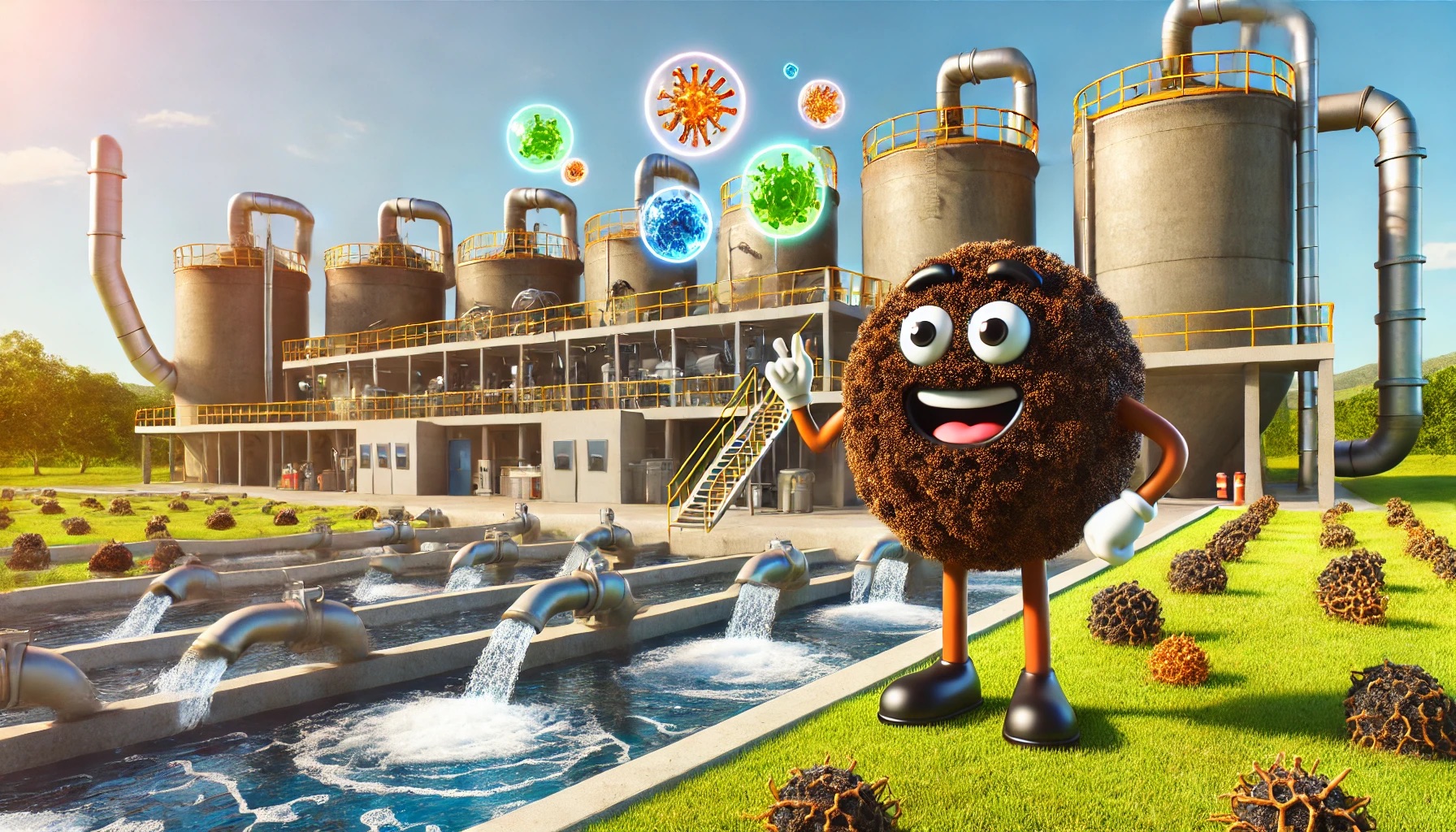

A new study explores how biochar can alleviate the inhibitory effects of humic acids (HAs) on anaerobic digestion (AD) of waste activated sludge, a promising method for methane recovery and carbon neutrality in wastewater treatment plants. Researchers found that adding biochar increased methane yield by 45.9%, reaching 132.6 mL CH4/g VSS, compared to the HA-inhibited group. This increase in methane production was linked to biochar’s ability to enhance hydrolase activities—protease and α-glucosidase saw increases of 69.7% and 29.7%, respectively.
Biochar also improved electron transfer efficiency, boosting the content of cytochrome C and promoting the growth of electroactive microorganisms such as Clostridium sensu stricto 13 and Methanosaeta. Additionally, biochar only partially adsorbed HAs, leaving some free HAs to synergistically enhance methanogenesis. This dual action improved both CO2 reduction and acetoclastic methanogenesis pathways, leading to higher methane production.
The study suggests that biochar could be a viable solution to counteract the negative effects of HAs in AD processes, offering a potential advancement in sustainable wastewater treatment and renewable energy production. The findings open new avenues for improving methane yields from waste activated sludge, contributing to more efficient and carbon-neutral wastewater treatment operations.




Leave a Reply