
Wang, L., Nerella, V.N., Li, D. et al. Biochar-augmented climate-positive 3D printable concrete. Commun Mater5, 257 (2024). https://doi.org/10.1038/s43246-024-00700-3
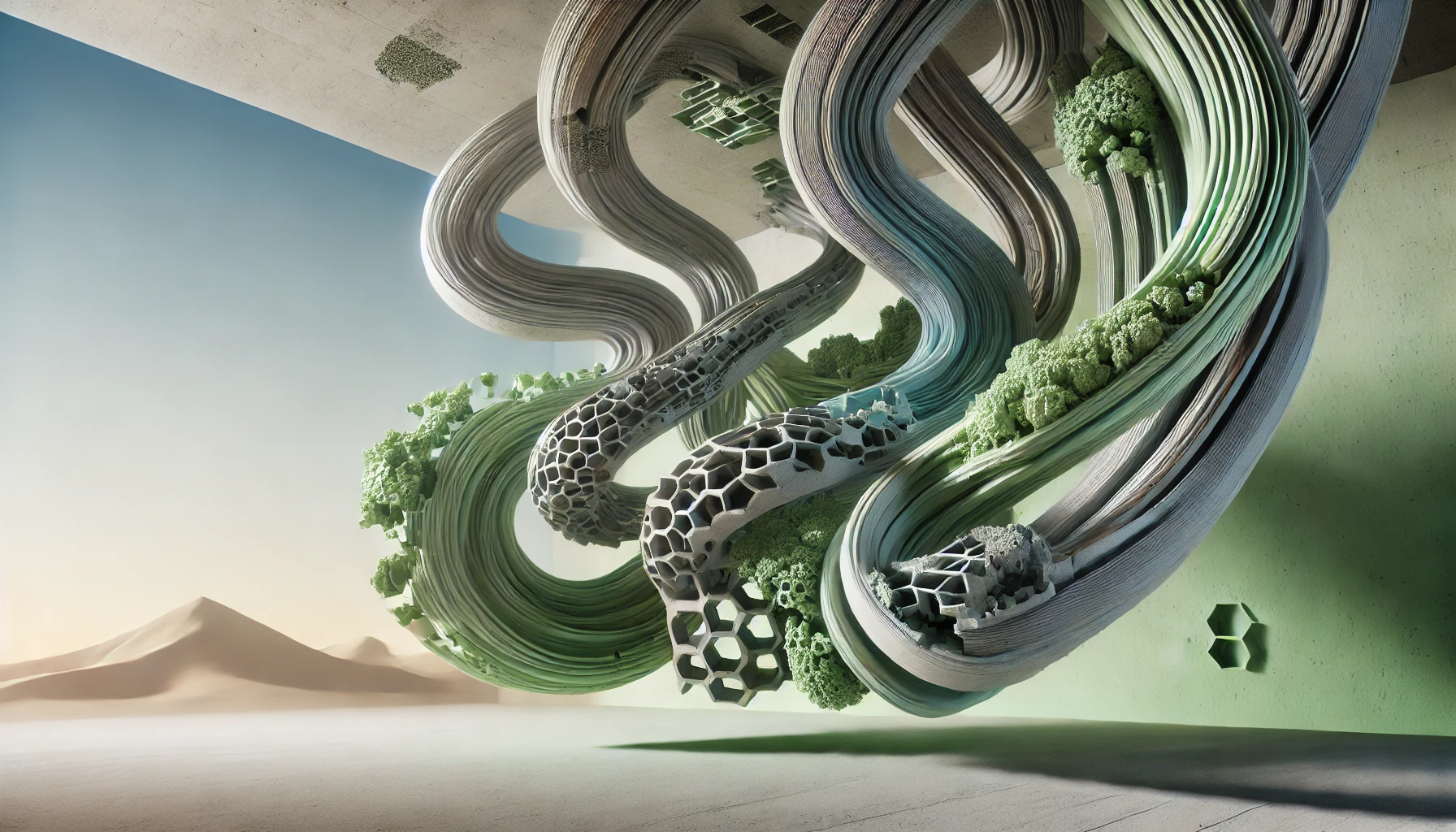
3D concrete printing (3DCP) is revolutionizing construction, but its reliance on cement—a major CO2 emitter—poses sustainability challenges. A recent study highlights a breakthrough solution: integrating biocharBiochar is a carbon-rich material created from biomass decomposition in low-oxygen conditions. It has important applications in environmental remediation, soil improvement, agriculture, carbon sequestration, energy storage, and sustainable materials, promoting efficiency and reducing waste in various contexts while addressing climate change challenges. More into 3D printable concrete to reduce emissions while enhancing performance.
Biochar, a carbon-negative material derived from biomassBiomass is a complex biological organic or non-organic solid product derived from living or recently living organism and available naturally. Various types of wastes such as animal manure, waste paper, sludge and many industrial wastes are also treated as biomass because like natural biomass these More, sequesters significant CO2 during its production. When added to concrete mixtures at a 2% weight ratio, biochar reduced the carbon footprint of 3D-printed concrete by 8.3%. Beyond sustainability, biochar improved key properties of concrete critical for 3D printing. It enhanced pumpability and extrudability during the early stages of printing, ensuring smooth flow through nozzles. At later stages, biochar increased structural stability, improving the buildability of layered prints.
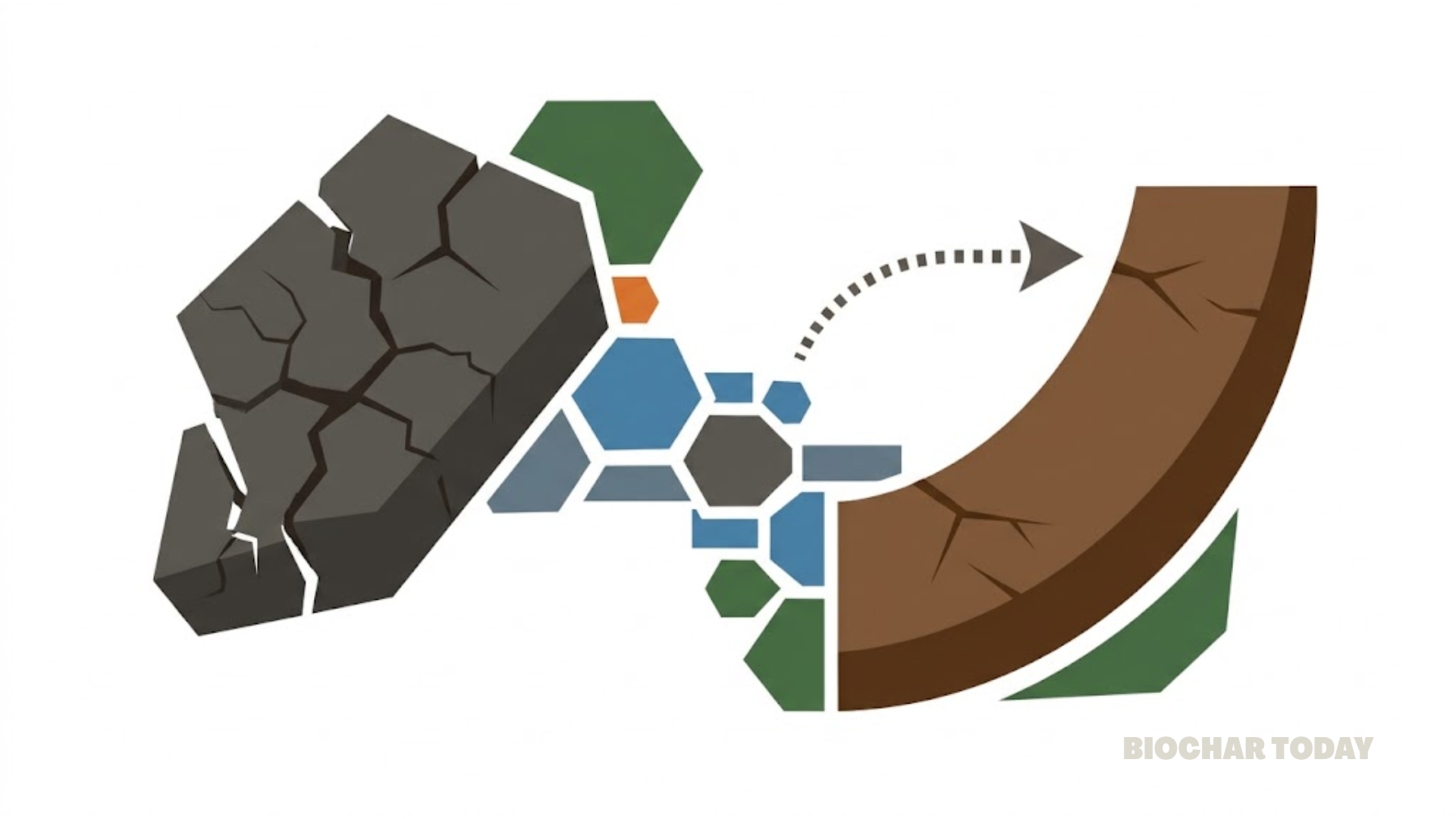
This dual functionality stems from biochar’s ability to regulate moisture and accelerate cement hydration. By slowly releasing absorbed water, biochar promotes the formation of cement hydration products, which improve the concrete’s strength and workability. Tests also showed that biochar increases the thixotropy of concrete, balancing its flowability and stability.
Practical tests demonstrated that biochar-augmented mixtures produced durable, stable structures while addressing CO2 emissions. As the construction industry aims for carbon neutrality, such innovations offer a promising pathway. The study suggests scaling this solution to achieve significant reductions in the environmental impact of construction, making biochar-enhanced 3D printing a cornerstone of sustainable building practices.
This pioneering approach marries environmental responsibility with advanced technology, showcasing the potential of materials science to drive the future of green construction.



Leave a Reply