
Key Takeaways
- A new eco-friendly material made from charcoalCharcoal is a black, brittle, and porous material produced by heating wood or other organic substances in a low-oxygen environment. It is primarily used as a fuel source for cooking and heating. More waste and metals can nearly completely remove a common yellow food dye from contaminated water.
- The treatment process transforms a hazardous substance used in food and drugs into harmless components like water and carbon dioxide.
- Researchers discovered that the material is highly effective even at high concentrations of the pollutant, making it suitable for industrial use.
- The cleaning agent can be collected and used multiple times, which reduces the cost and environmental impact of water treatment.
- This sustainable technology repurposes local waste products to protect human health and preserve delicate water ecosystems.
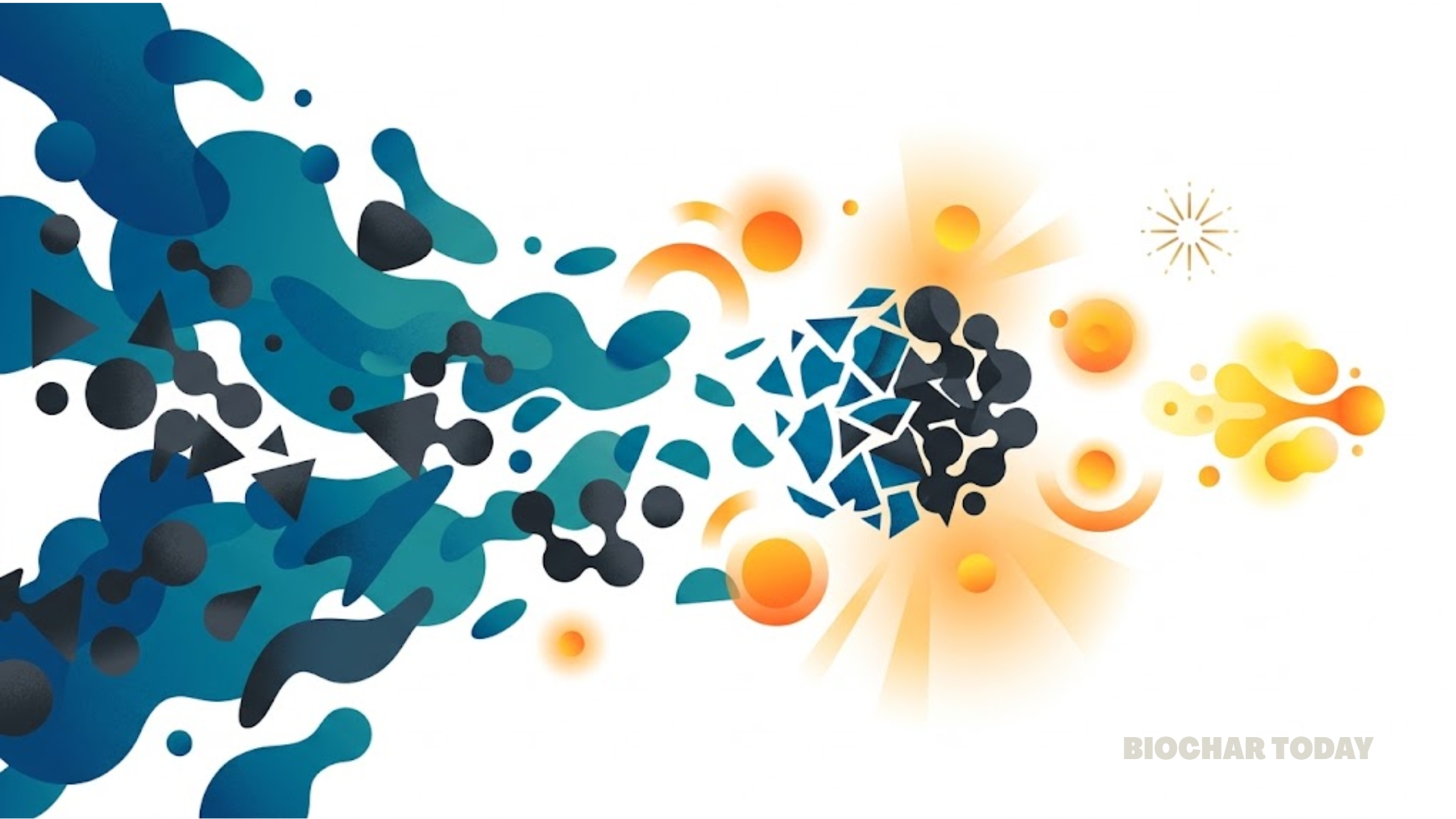
The release of industrial effluents containing toxic chemicals like heavy metals and synthetic dyes poses a severe threat to global environmental health and human well-being. Among these pollutants, quinoline yellow, a common dye used in the food, cosmetic, and pharmaceutical industries, is particularly concerning due to its stability and potential to cause allergic reactions or even carcinogenic effects. In a study published in Scientific Reports, lead author Roland Urselin Noumsi Foko and a team of international researchers explored a sustainable method to eliminate this dye using a custom-engineered catalyst derived from charcoal waste. This approach addresses both the challenge of water pollution and the need for a circular economy by repurposing local biomassBiomass is a complex biological organic or non-organic solid product derived from living or recently living organism and available naturally. Various types of wastes such as animal manure, waste paper, sludge and many industrial wastes are also treated as biomass because like natural biomass these More residues into high-value environmental tools.
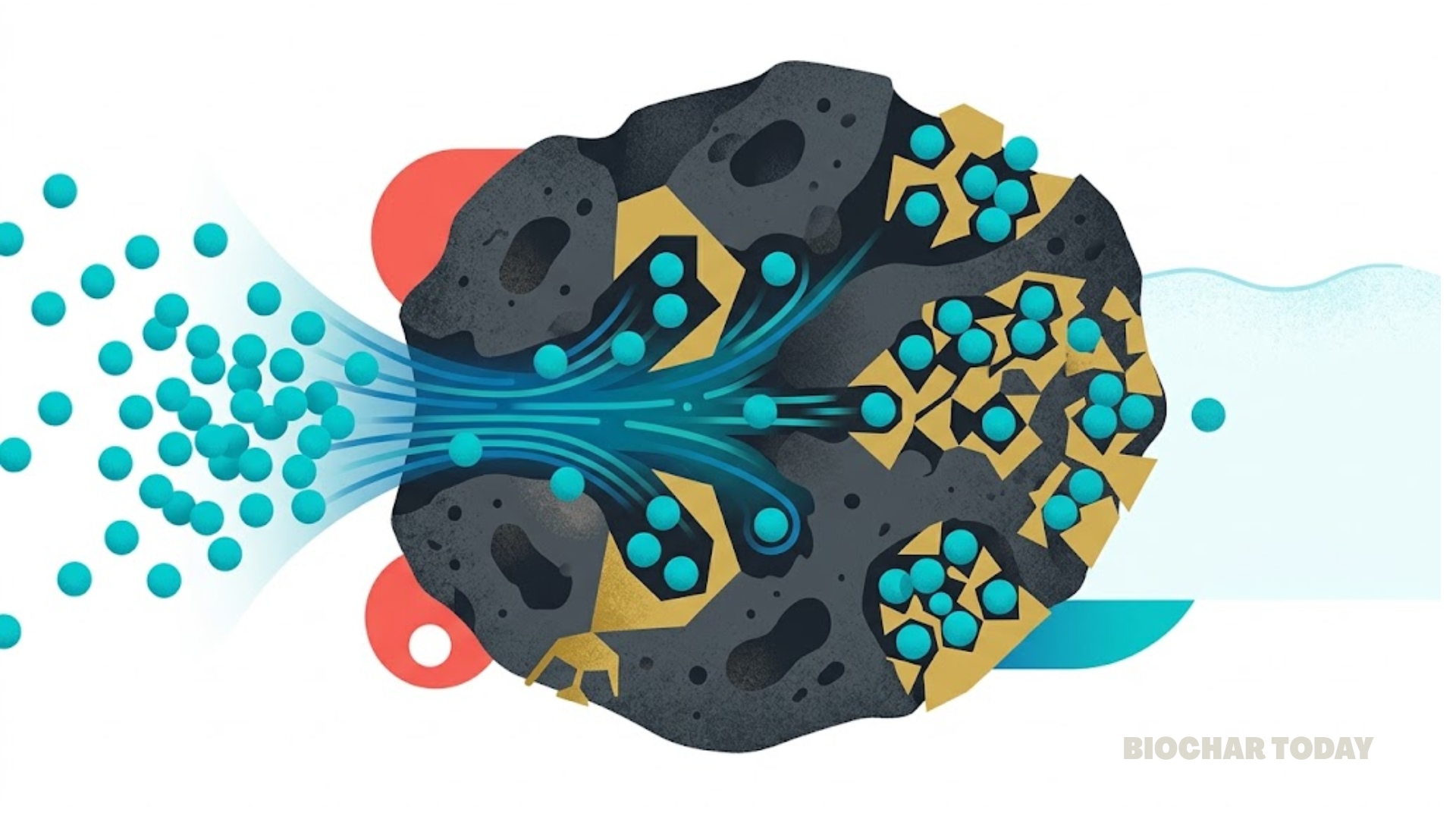
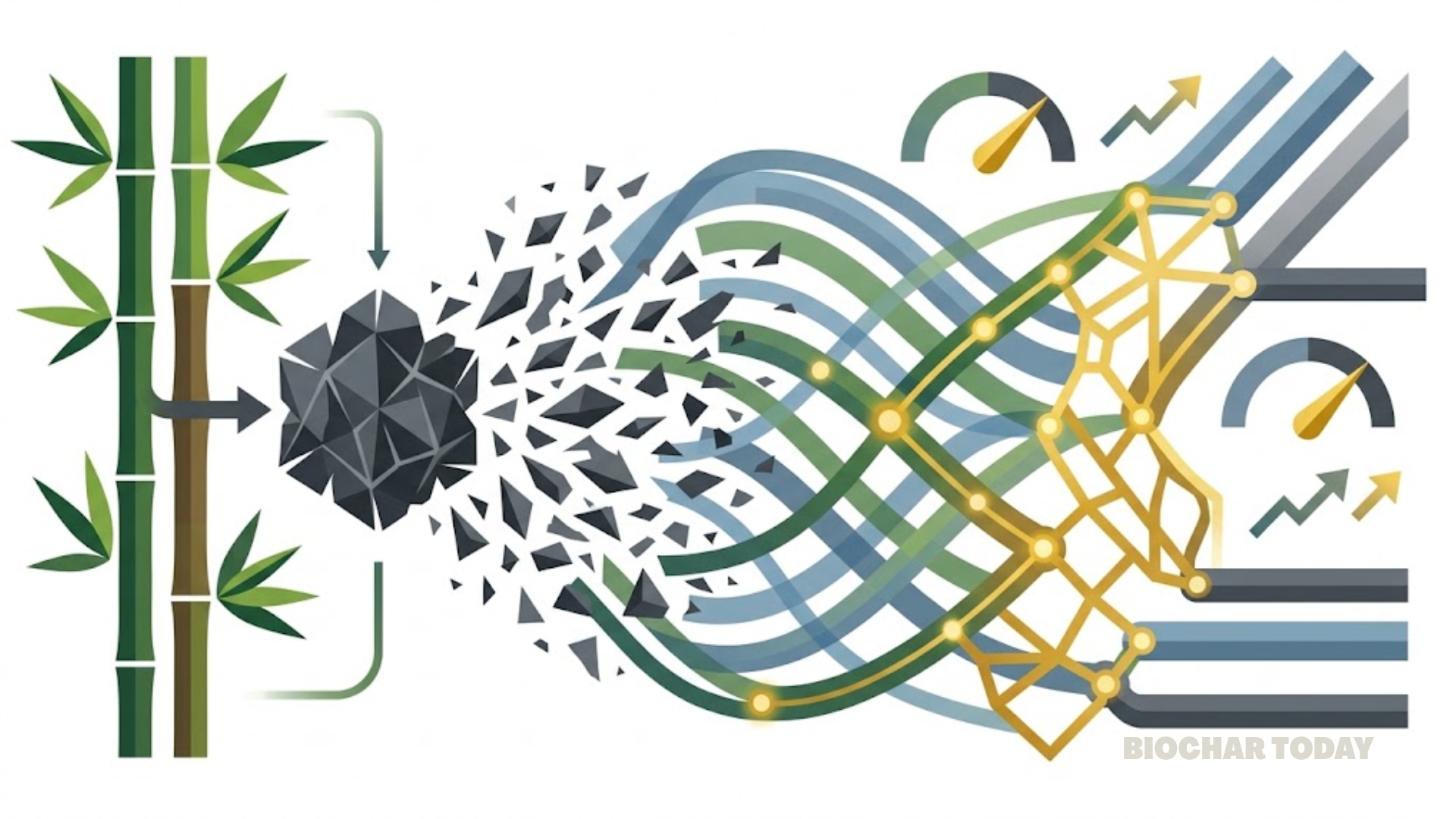
The researchers developed a multi-component composite known as Cu-Al/Biochar@g-C3N4, which combines biocharBiochar is a carbon-rich material created from biomass decomposition in low-oxygen conditions. It has important applications in environmental remediation, soil improvement, agriculture, carbon sequestration, energy storage, and sustainable materials, promoting efficiency and reducing waste in various contexts while addressing climate change challenges. More with copper, aluminum, and graphitic carbon nitride. This sophisticated material acts as a catalyst in a Fenton-based advanced oxidation process. Unlike traditional water treatment methods that often simply move pollutants from the water to a solid waste phase, this process uses powerful reactive species to physically break down the dye molecules. The synergy between the bimetallic system and the nitrogen-doped carbon structure significantly optimizes the transfer of electrons, which is the engine driving the chemical destruction of the pollutant. Characterization of the material revealed a rough, porous surface with increased active sites, allowing it to capture and neutralize more dye molecules than standard charcoal.
The findings demonstrate a remarkable degradation efficiency of 92.33 percent under optimized conditions. One of the most significant results of the study is the material’s ability to handle high concentrations of quinoline yellow, ranging from 50 to 100 milligrams per liter. This is particularly important because industrial wastewater often contains much higher levels of pollutants than are typically tested in laboratory settings. By utilizing response surface methodology, the team identified that the process works most effectively at a specific acidity level, ensuring that the chemical reactions stay focused on destroying the dye rather than producing unnecessary sludge. This precision makes the technology a viable candidate for scaling up to meet the demands of real-world industrial facilities.
Beyond its immediate cleaning power, the study highlights the practical sustainability of the new catalyst. The material maintained a significant portion of its effectiveness over three consecutive use cycles. Although there was a slight decrease in performance after the third cycle due to the natural leachingLeaching is the process where nutrients are dissolved and carried away from the soil by water. This can lead to nutrient depletion and environmental pollution. Biochar can help reduce leaching by improving nutrient retention in the soil. More of metals and the blocking of microscopic pores, the ability to recover and reuse the catalyst via magnetic separation or centrifugation presents a major cost advantage. This durability, combined with the use of inexpensive precursors like charcoal debris from local markets, suggests that the technology could be implemented in regions where expensive, imported water treatment materials are not an option.
Ultimately, the research proves that the Fenton process, when supported by this specific biochar composite, can fully mineralize quinoline yellow into harmless inorganic products like water and carbon dioxide. This transformation reduces the overall toxicity of the treated water, making it safe for discharge back into the environment. By aligning advanced chemical engineering with the use of abundant local resources, the study provides a roadmap for sustainable wastewater management that protects biodiversity and food security. The researchers suggest that future work will focus on further enhancing the long-term stability of the composite to ensure it remains a robust tool for the global fight against water pollution.
Source: Foko, R. U. N., Mafo, S. G. M., Djouda, C. M. N., Tchuifon Tchuifon, D. R., Hosseini-Bandegharaei, A., Yaseen, Z. M., Wu, J., & Fotsop, C. G. (2026). Synthesis and characterization of graphitic carbon nitride-doped carbon (Cu-Al/Biochar@g-C3N4) for quinoline yellow removal by the Fenton process: optimization by the response surface method. Scientific Reports.

Leave a Reply