
Ngene, et al (2024) A review on biocharBiochar is a carbon-rich material created from biomass decomposition in low-oxygen conditions. It has important applications in environmental remediation, soil improvement, agriculture, carbon sequestration, energy storage, and sustainable materials, promoting efficiency and reducing waste in various contexts while addressing climate change challenges. More briquetting: Common practices and recommendations to enhance mechanical properties and environmental performances. Journal of Cleaner Production. https://doi.org/10.1016/j.jclepro.2024.143193
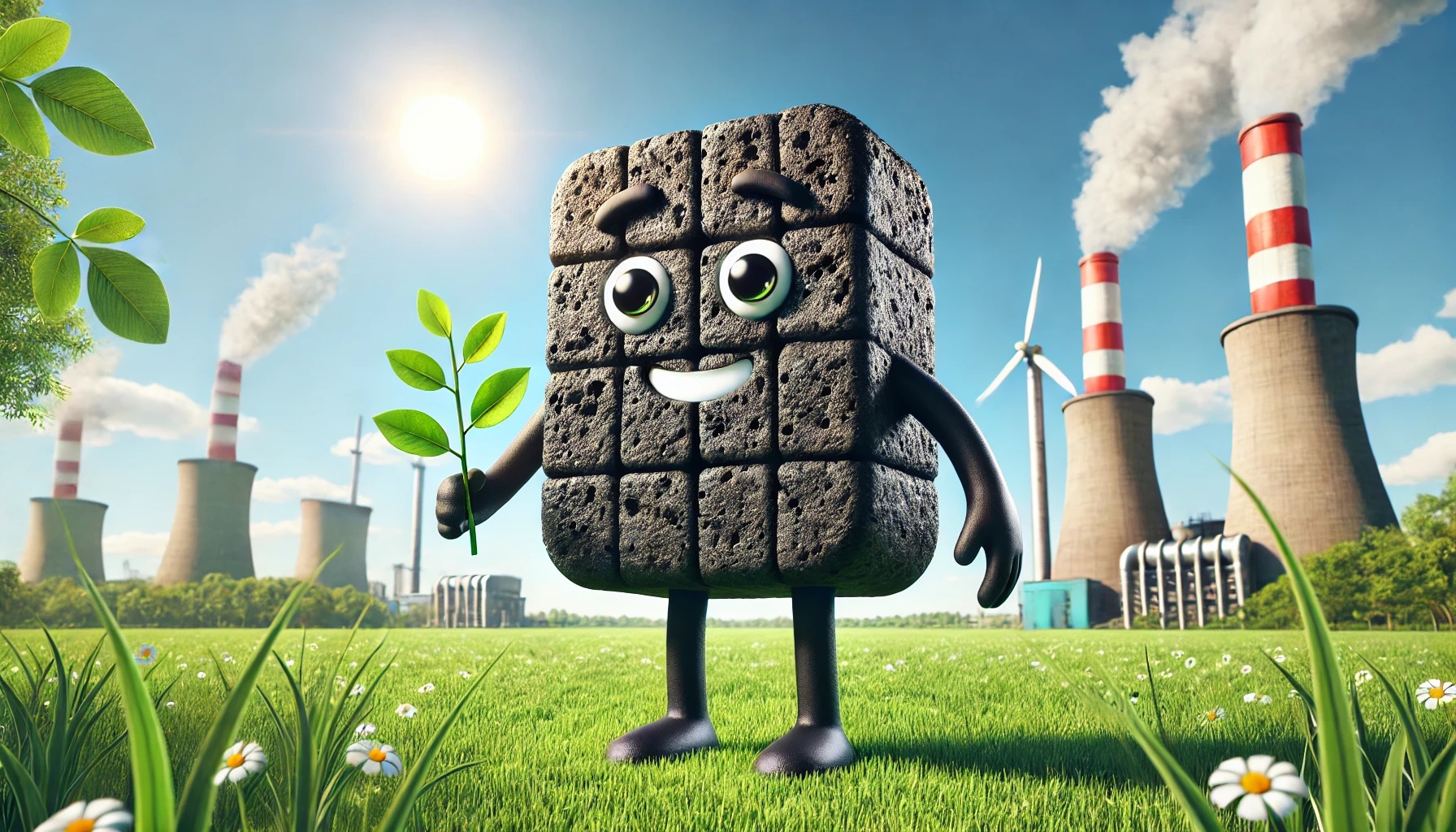
Biochar briquettes are emerging as a promising, sustainable alternative to fossil fuels, particularly coal, in energy and industrial sectors. Produced through the thermochemical conversion of biomassBiomass is a complex biological organic or non-organic solid product derived from living or recently living organism and available naturally. Various types of wastes such as animal manure, waste paper, sludge and many industrial wastes are also treated as biomass because like natural biomass these More into biochar and subsequent densification, these briquettes mimic coal’s mechanical attributes and combustion efficiency while being carbon-neutral. Research indicates that using biochar briquettes instead of coal can cut methane and carbon dioxide emissions by about 40%.
The densification process is crucial, transforming biochar from its naturally low bulk density into a more manageable, coal-like energy product. This process addresses issues related to handling, transportation, and storage. Ensuring high-quality biochar briquettes requires careful selection of binders, compaction technologies, and operating conditions. Key quality parameters—such as density, mechanical durability, calorific value, and volatile content—are influenced by the binder used, with optimal binder loading typically between 5% and 15% depending on the feedstockFeedstock refers to the raw organic material used to produce biochar. This can include a wide range of materials, such as wood chips, agricultural residues, and animal manure. More and pyrolysisPyrolysis is a thermochemical process that converts waste biomass into bio-char, bio-oil, and pyro-gas. It offers significant advantages in waste valorization, turning low-value materials into economically valuable resources. Its versatility allows for tailored products based on operational conditions, presenting itself as a cost-effective and efficient More temperature. Under these conditions, biochar briquettes can achieve durability values between 70% and 90%.
While existing studies provide insights into pyrolysis conditionsThe conditions under which pyrolysis takes place, such as temperature, heating rate, and residence time, can significantly affect the properties of the biochar produced. More, densification technologies, and binder options, a comprehensive understanding of their combined impact on mechanical and environmental performance is still lacking. This review aims to bridge this knowledge gap, offering recommendations to improve biochar densification processes, enhancing energy efficiency, mechanical strength, and reducing pollutant emissions. This advancement could accelerate the transition from traditional fossil fuels to renewable biochar briquettes in various industrial applications, supporting efforts to meet ambitious climate and energy goals.



Leave a Reply