
Lou, et al. (2024) Recent advances in effect of biocharBiochar is a carbon-rich material created from biomass decomposition in low-oxygen conditions. It has important applications in environmental remediation, soil improvement, agriculture, carbon sequestration, energy storage, and sustainable materials, promoting efficiency and reducing waste in various contexts while addressing climate change challenges. More on fermentative hydrogen production: Performance and mechanisms. International Journal of Hydrogen Energy, Vol 57. https://doi.org/10.1016/j.ijhydene.2024.01.039
Clean energy from waste?
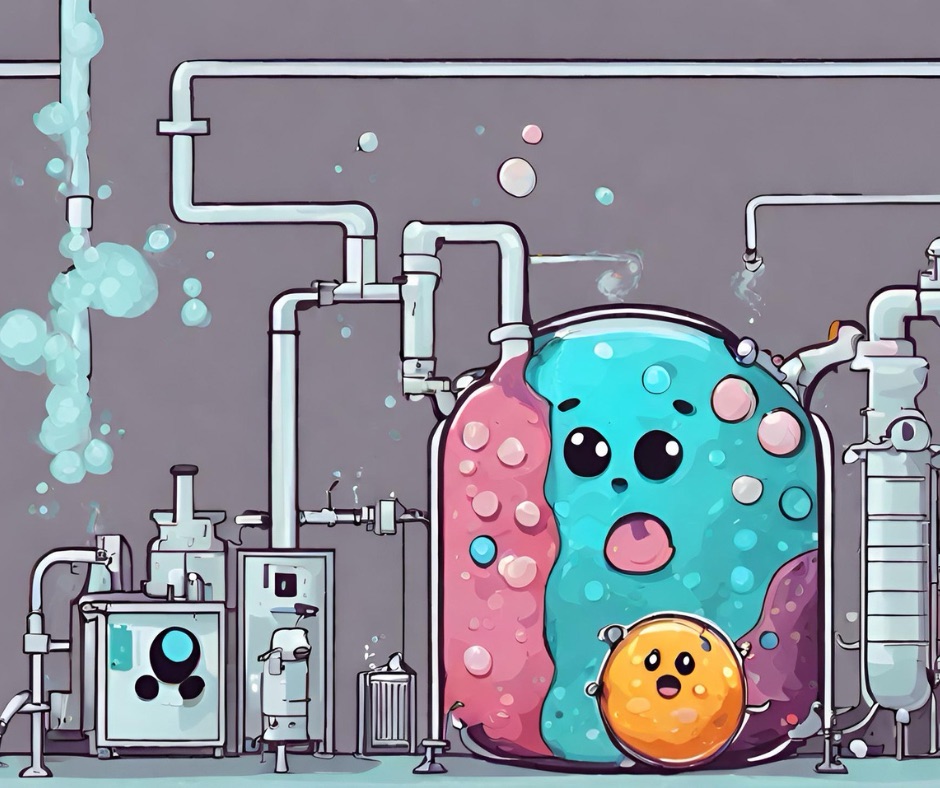
Dark fermentation, where microbes produce hydrogen from organic residues, is a promising but low-efficiency technology. This review explores how biochar, a carbonaceous additive made from organic materials, can significantly improve hydrogen production in dark fermentation systems.
Biochar’s magic touch
This review dives deep into biochar’s production methods and key properties influencing dark fermentation. Its abundant pores and large surface area provide a cozy home for microbe communities, boosting their synergistic interactions. Biochar also facilitates crucial electron transfer, a key step in hydrogen production.
Hydrogen production on the rise
Adding biochar demonstrably increases hydrogen yield. This review delves into the mechanisms behind this boost, including improved substrate utilization, enhanced microbial activity, and stabilized system environment.
Building better bioreactors
By understanding the specific ways biochar enhances hydrogen production, future research can design more efficient and stable dark fermentation systems. This review paves the way for practical biochar applications in large-scale biohydrogen production.
Key takeaways
- Biochar, a sustainable and readily available additive, significantly improves dark fermentation efficiency.
- Its unique properties promote microbial activity, electron transfer, and overall system stability.
- Understanding the mechanisms behind biochar’s benefits paves the way for optimizing dark fermentation systems for large-scale hydrogen production.



![Eucalyptus Wood Waste-Derived Biochar Achieves a Ninety-Eight Percent Removal Efficiency for Benzo[ghi]perylene in Vehicle-Wash Wastewater](https://biochartoday.com/wp-content/uploads/2026/10/SCIENCE-BLOGS-2026-2026-10-19T160523.703.jpg)


Leave a Reply