
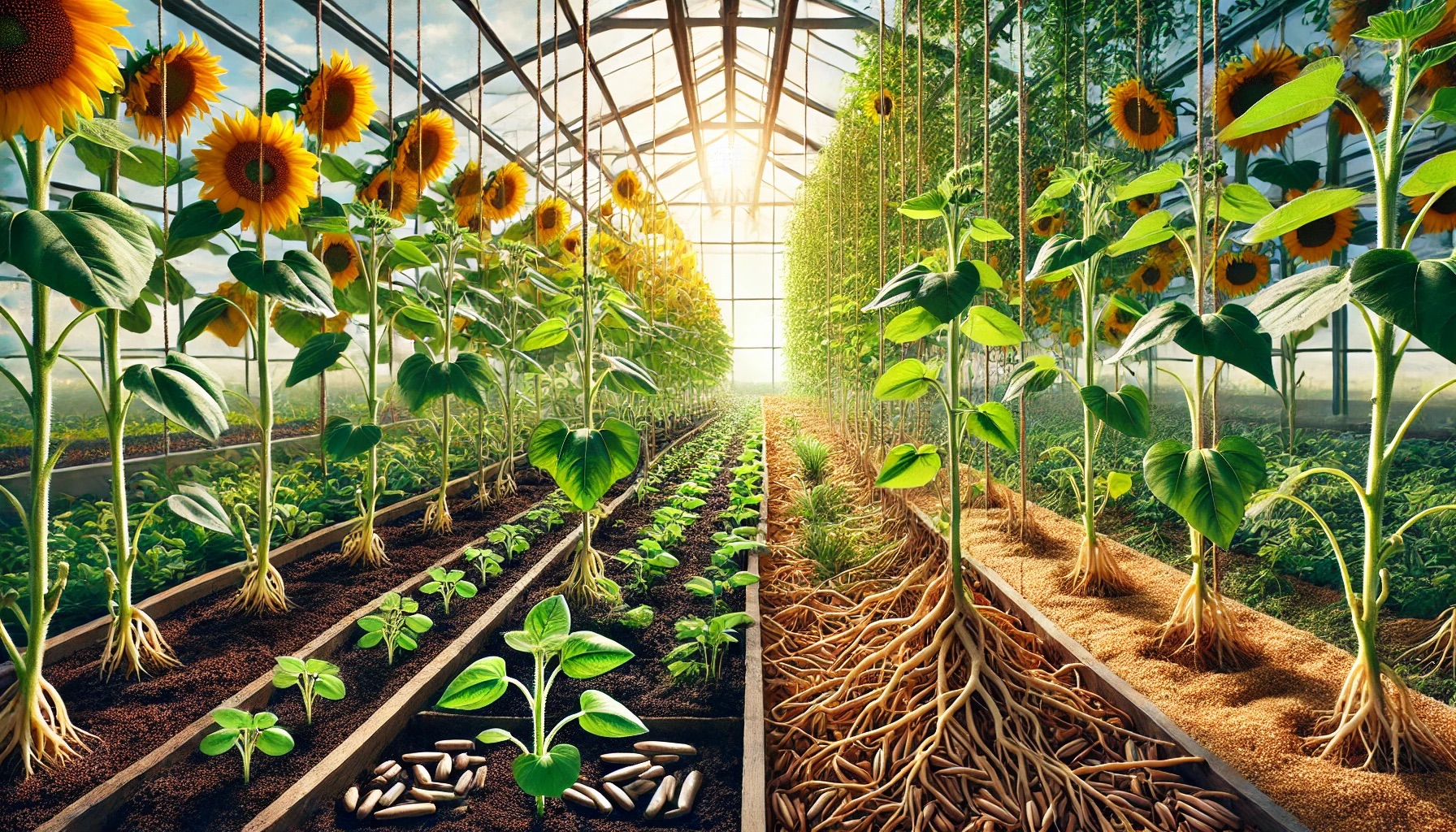
Timori, et al (2024) BiocharBiochar is a carbon-rich material created from biomass decomposition in low-oxygen conditions. It has important applications in environmental remediation, soil improvement, agriculture, carbon sequestration, energy storage, and sustainable materials, promoting efficiency and reducing waste in various contexts while addressing climate change challenges. More improves Pb and Cd-induced stress in mung bean (Vigna radiata L. Wilczek). Environmental Challenges. https://doi.org/10.1016/j.envc.2024.100992
Biochar, derived from biomassBiomass is a complex biological organic or non-organic solid product derived from living or recently living organism and available naturally. Various types of wastes such as animal manure, waste paper, sludge and many industrial wastes are also treated as biomass because like natural biomass these More, is proving to be an effective tool in combating heavy metal toxicity in crops. In a study investigating the impact of biochar made from sunflower residues, researchers tested its ability to mitigate lead (Pb) and cadmium (Cd) stress in mung beans (Vigna radiata). Pb and Cd are harmful to plants, disrupting growth, photosynthesis, and enzyme function. However, when biochar was applied to contaminated soils, it significantly reduced the concentration of these metals in plant shoots—by 19.1% for Pb and 13.8% for Cd.
The study, conducted in greenhouse conditions, utilized a randomized design to assess different levels of metal contamination and biochar application. Results demonstrated that without biochar, Pb and Cd drastically reduced mung bean growth, including shoot and root weights and the number of active root nodules. Conversely, biochar enhanced soil pHpH is a measure of how acidic or alkaline a substance is. A pH of 7 is neutral, while lower pH values indicate acidity and higher values indicate alkalinity. Biochars are normally alkaline and can influence soil pH, often increasing it, which can be beneficial More, increased nutrient availability, and improved overall plant health. For instance, biochar application reduced oxidative damage, as evidenced by lower levels of stress markers like proline and soluble sugars.
The research highlights the potential of sunflower residue biochar as an eco-friendly, cost-effective solution for improving crop resilience in contaminated soils. It offers promise not only for sustainable agriculture but also for environmental remediation, providing a path forward for managing heavy metal pollution in farming.



Leave a Reply