
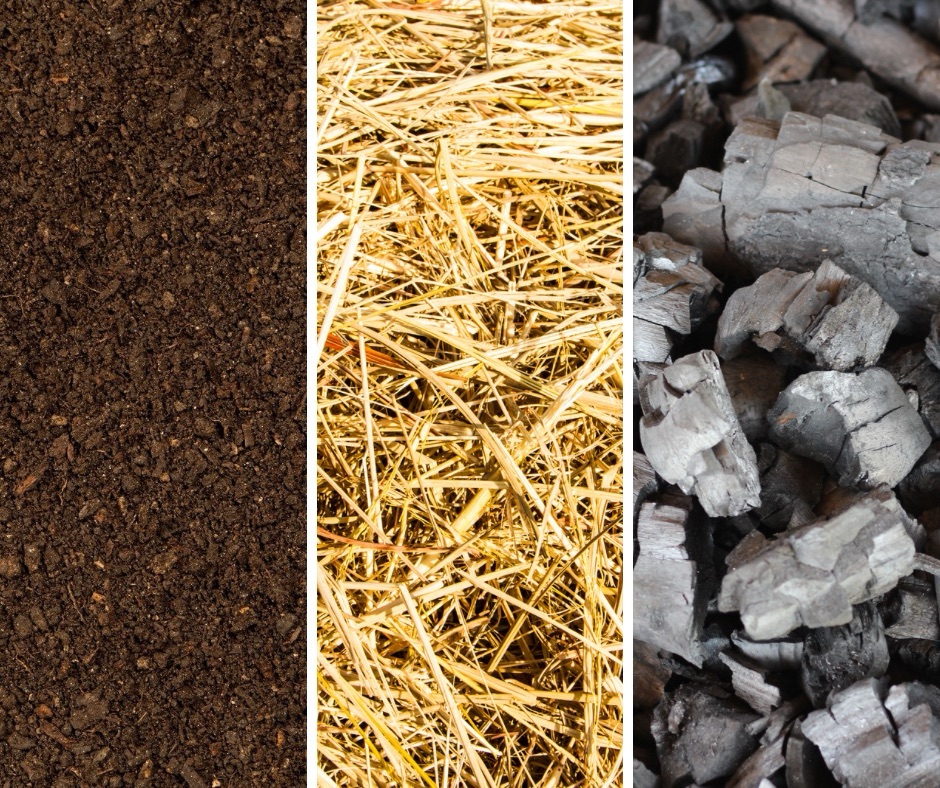
Crop residues, like straw, play a crucial role in agriculture. Returning them to the soil boosts soil carbon and fights climate change. But simply putting them back can lead to unwanted greenhouse gas and nitrogen emissions. So, researchers explored a greener alternative: straw-derived biocharBiochar is a carbon-rich material created from biomass decomposition in low-oxygen conditions. It has important applications in environmental remediation, soil improvement, agriculture, carbon sequestration, energy storage, and sustainable materials, promoting efficiency and reducing waste in various contexts while addressing climate change challenges. More.

This study compared three methods for managing crop residues in maize fields:
- Straw removal: No straw left in the field.
- Total straw incorporation: All straw returned to the soil.
- Straw-derived biochar incorporation:Straw converted into biochar and then added to the soil.
The results were surprising! While adding nitrogen fertilizer boosted grain yield and carbon storage in all scenarios, incorporating biochar offered the most exciting benefits:
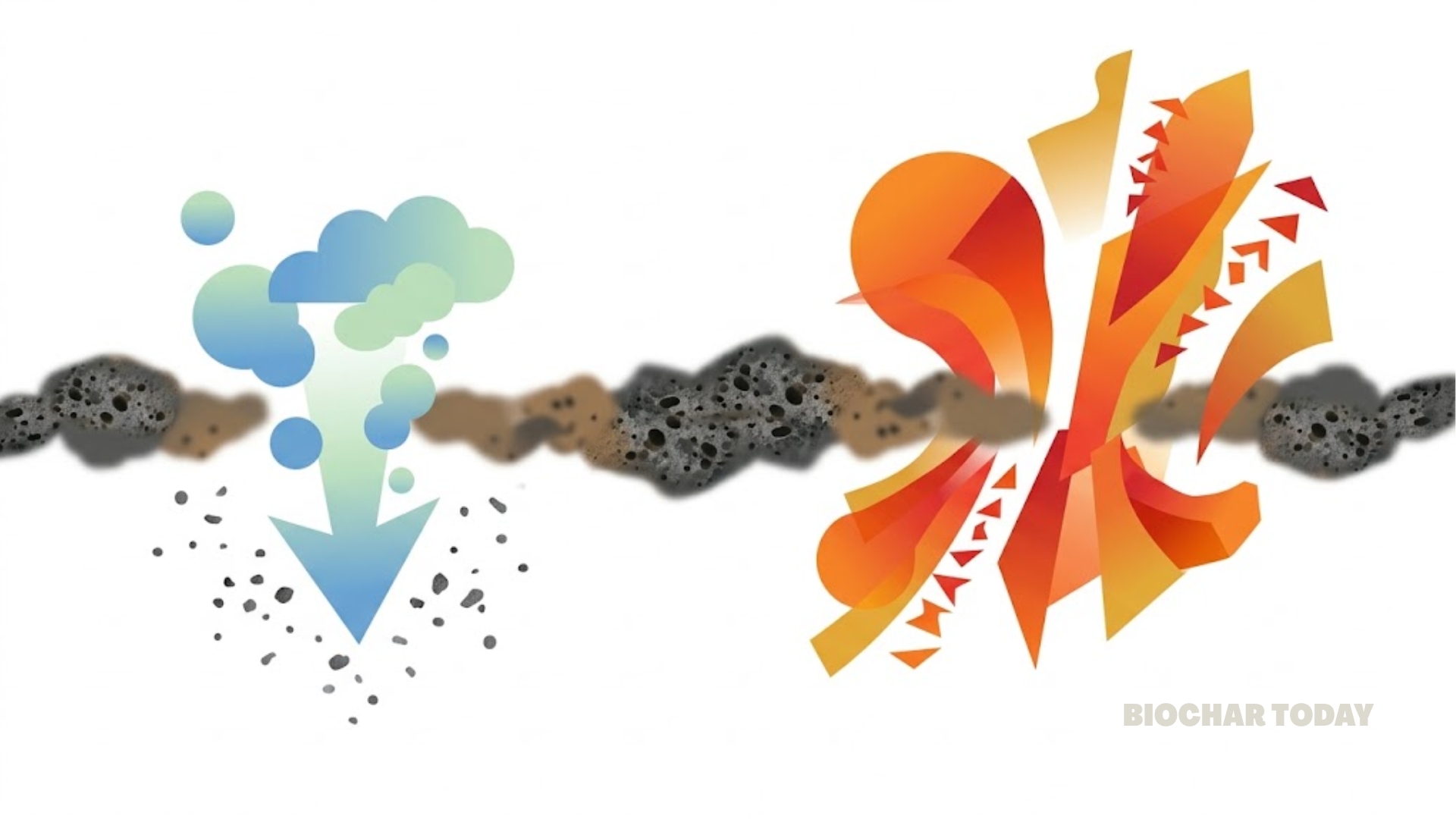
- Reduced emissions: Biochar lowered greenhouse gas and nitrogen emissions compared to simply adding straw. This means less harm to the climate and environment.
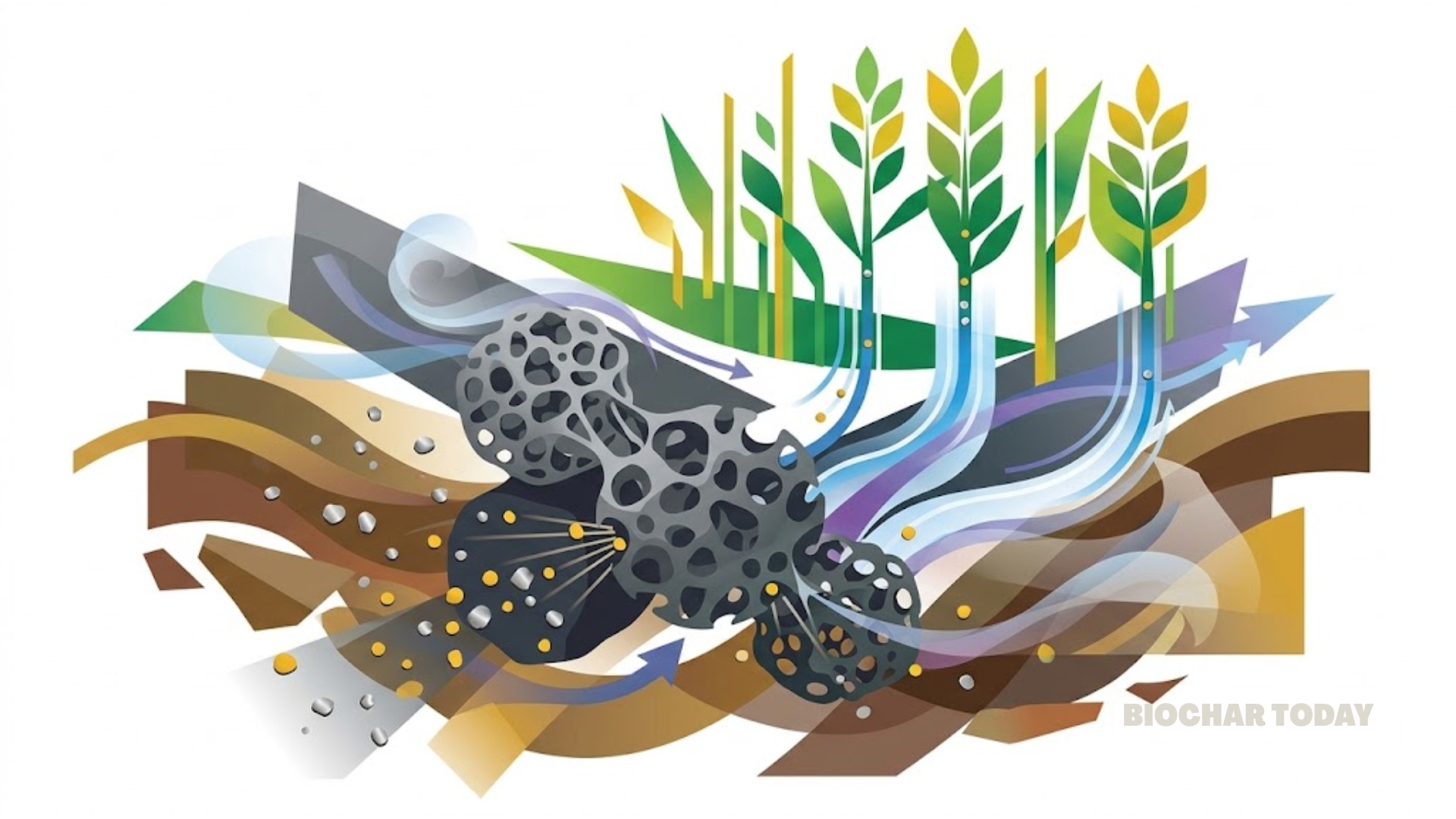
- Improved soil health: Biochar increased soil carbon storage, a key factor in healthy soil and fighting climate change.
- Higher efficiency: Biochar increased water and nitrogen use efficiency,meaning crops used resources more effectively.
- Economic benefits: Using biochar improved overall economic gains for farmers compared to traditional straw management.
This study paves the way for a more sustainable approach to managing crop residues. By converting straw into biochar, farmers can improve soil health, reduce emissions, and boost their own profits. This win-win solution holds significant promise for mitigating climate change and promoting sustainable agriculture in dryland regions like northwest China.


Leave a Reply