
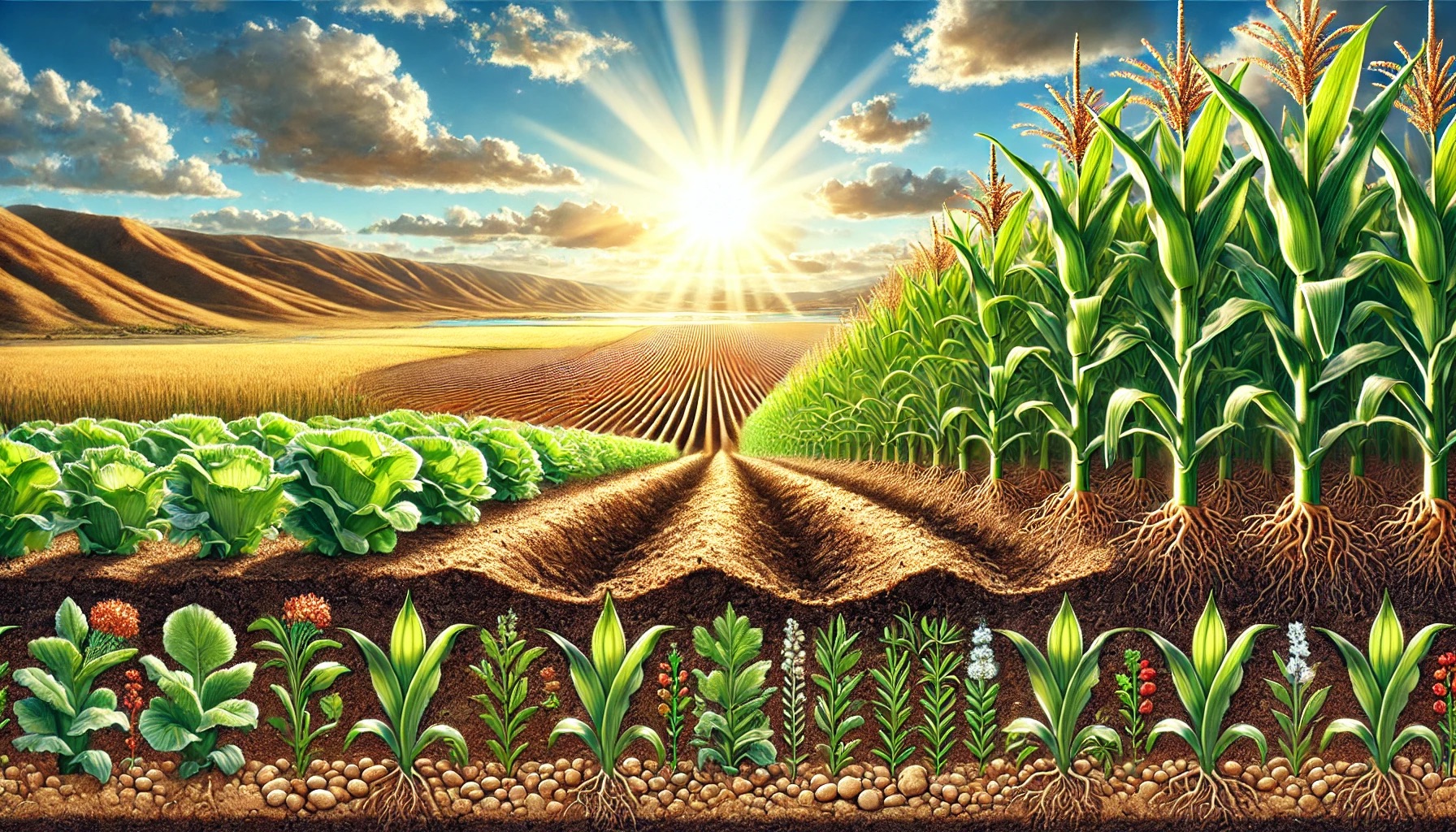
BiocharBiochar is a carbon-rich material created from biomass decomposition in low-oxygen conditions. It has important applications in environmental remediation, soil improvement, agriculture, carbon sequestration, energy storage, and sustainable materials, promoting efficiency and reducing waste in various contexts while addressing climate change challenges. More has emerged as an effective soil amendmentA soil amendment is any material added to the soil to enhance its physical or chemical properties, improving its suitability for plant growth. Biochar is considered a soil amendment as it can improve soil structure, water retention, nutrient availability, and microbial activity. More to combat the adverse effects of drought on agriculture. A recent meta-analysis of 283 studies highlights its potential to improve crop growth, photosynthesis, and water use efficiency (WUE).
The study revealed that biochar-amended soils led to notable increases in WUE (20.6%), crop yield (12.51%), and biomassBiomass is a complex biological organic or non-organic solid product derived from living or recently living organism and available naturally. Various types of wastes such as animal manure, waste paper, sludge and many industrial wastes are also treated as biomass because like natural biomass these More (23.42%). Biochar also enhanced key photosynthetic traits, including stomatal conductance and chlorophyll content, with improvements ranging from 20.9% to 35%. These benefits were more pronounced under high drought stress conditions and in soils with extremely coarse or fine textures. For instance, legumes like soybeans and faba beans showed substantial WUE gains of over 30%, while vegetables such as eggplant exhibited more modest improvements.
Biochar’s ability to retain soil moisture and nutrients is central to its effectiveness. It reduces soil bulk density, enhances water retention, and stabilizes soil aggregates, which are critical for plant resilience in arid conditions. However, its impact varies depending on factors like plant type, soil texture, and application duration. Over time, some traits, such as photosynthetic rates and yield, may plateau or decline, indicating the need for optimized application strategies.
This research underscores biochar’s role in promoting sustainable agriculture amidst climate challenges. Future studies should explore its long-term effects and address variability in its performance based on production processes and environmental conditions.
Zhang, Niu, & Luo (2024) Effect of Biochar Amendment on the Growth and Photosynthetic Traits of Plants Under Drought Stress: A Meta-Analysis. Agronomy. https://doi.org/10.3390/agronomy14122952




Leave a Reply