
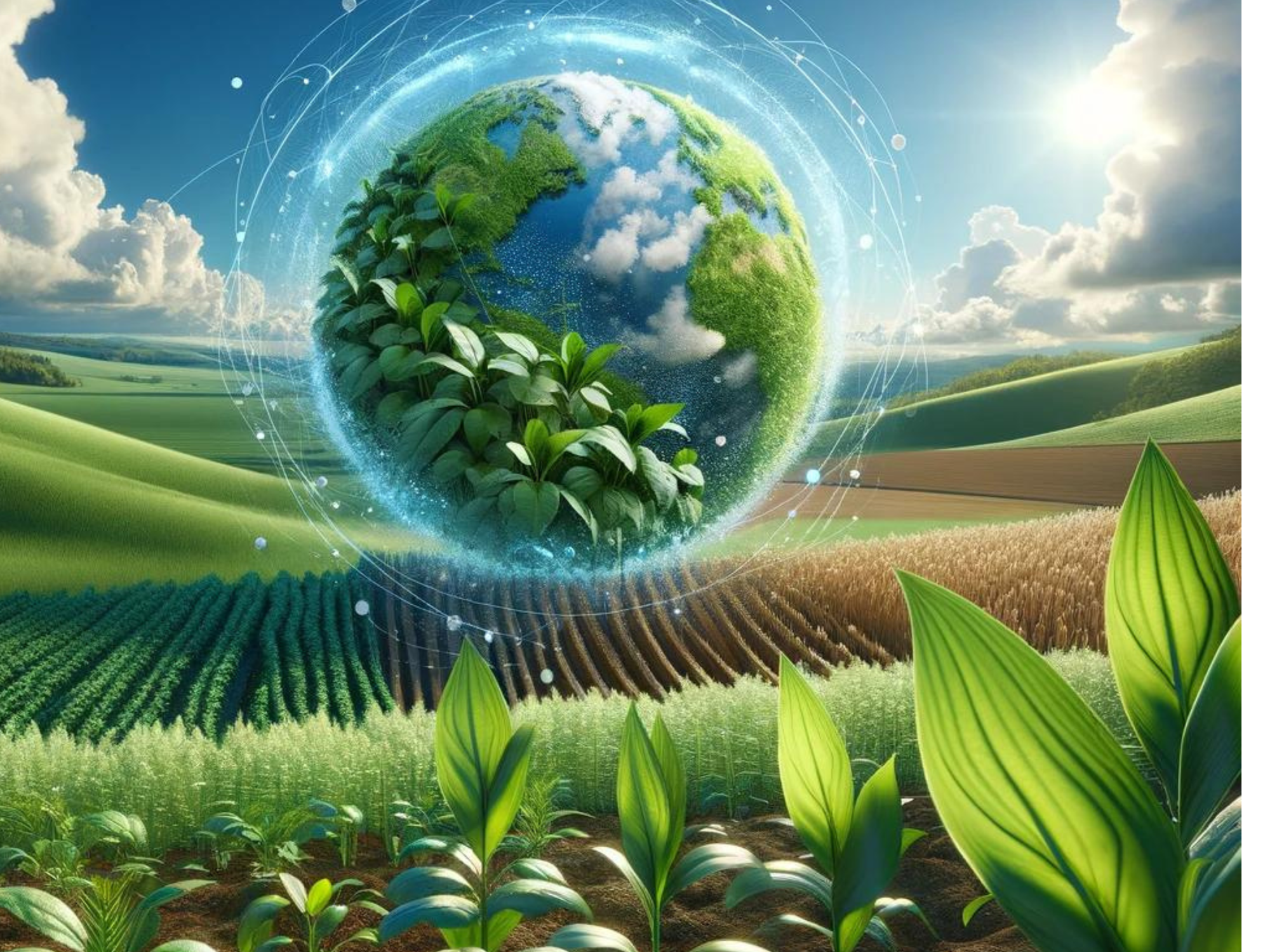
Shoudho, et al (2024) BiocharBiochar is a carbon-rich material created from biomass decomposition in low-oxygen conditions. It has important applications in environmental remediation, soil improvement, agriculture, carbon sequestration, energy storage, and sustainable materials, promoting efficiency and reducing waste in various contexts while addressing climate change challenges. More in global carbon cycle: Towards sustainable development goals. Current Research in Green and Sustainable Chemistry. https://doi.org/10.1016/j.crgsc.2024.100409
The escalating challenge of atmospheric carbon dioxide reduction has steered scientific communities towards innovative solutions, among which biochar emerges as a pivotal player. Derived from the pyrolysisPyrolysis is a thermochemical process that converts waste biomass into bio-char, bio-oil, and pyro-gas. It offers significant advantages in waste valorization, turning low-value materials into economically valuable resources. Its versatility allows for tailored products based on operational conditions, presenting itself as a cost-effective and efficient More of organic materials, biochar is essentially a form of charcoalCharcoal is a black, brittle, and porous material produced by heating wood or other organic substances in a low-oxygen environment. It is primarily used as a fuel source for cooking and heating. More, rich in carbon, hydrogen, and oxygen. Its robust aromatic structure endows it with an exceptional capacity to persist in the environment, thus acting as a formidable absorbent of greenhouse gases.
Annually, biochar’s potential to capture carbon dioxide ranges impressively from 1 to 35 gigatons, projecting an accumulative sequestration of 78 to 477 gigatons over the century. This attribute not only positions biochar as a strategic asset in climate change mitigation through carbon sequestration but also enhances soil fertility, water retention, and nutrient recycling. Consequently, these improvements foster higher agricultural yields, turning biochar into a dual-purpose tool that also generates renewable energy by-products.
Moreover, biochar’s integration into waste management strategies presents a sustainable solution to organic waste challenges, while its efficacy in water purification underscores its contribution to climate action efforts. The material’s unique properties, extensive applications, and cost-effectiveness have cemented its role in advancing toward the Sustainable Development Goals (SDG), as outlined by the United Nations.
This comprehensive review navigates through biochar’s diverse applications, its socio-technical impacts, and its indispensable role in the global carbon cycle, advocating for its broader adoption in sustainable development practices. By illustrating biochar’s multifaceted benefits, the discussion underpins the material’s significant potential in achieving a harmonious balance between environmental sustainability and agricultural productivity, thereby contributing to a sustainable future.



Leave a Reply