
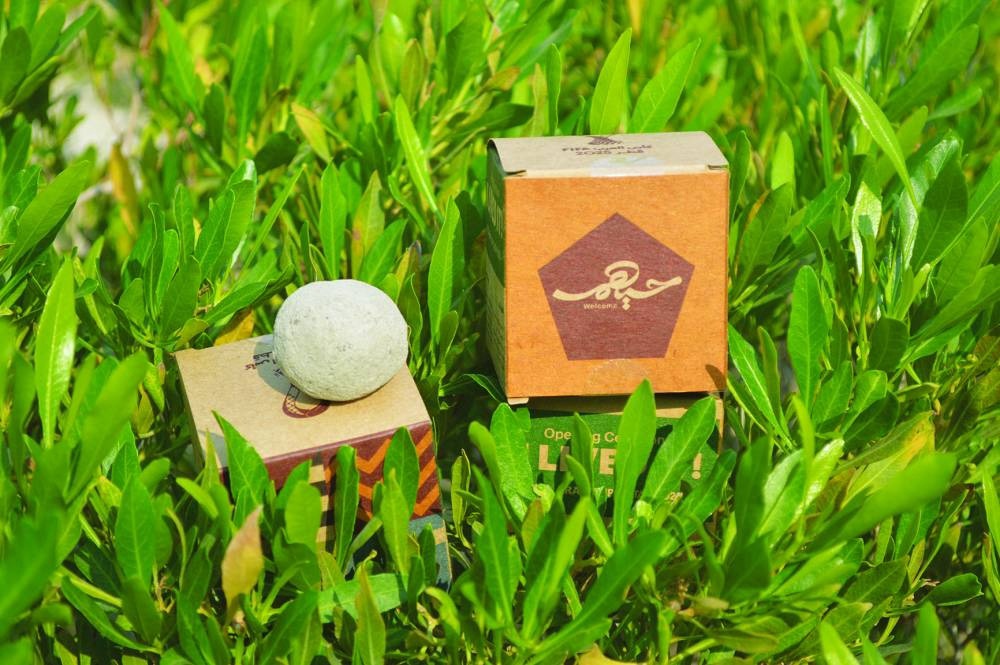
In Qatar, the Qur’anic Botanic Garden (QBG), a member of Hamad Bin Khalifa University, has introduced a distinct horticultural product to commemorate the FIFA Arab Cup 2025, held from December 1-18. Aligning with its mission to emphasize Qatar’s natural heritage and foster public engagement with environmental concepts, QBG partnered with a design firm to create a “mudball” containing basil seeds. This initiative serves as both a commemorative item for fans and a functional planting medium. The project underscores a commitment to blending cultural heritage with ecological awareness during a major international sporting event.
The primary horticultural challenge faced by the development team concerned the physical properties of the substrate. Mohamed Hassona, the lead developer and horticulturist at QBG, noted that traditional clay is naturally heavy, making it impractical for general handling as a souvenir. Furthermore, the team needed to maintain seed viability throughout the shaping and drying processes. Precise moisture control was essential to ensure the seeds would remain dormant yet capable of germination later, without compromising the structural integrity of the ball itself.
To address these weight and viability issues, the team engineered a composite soil mixture. The solution involved integrating modern agricultural materials, specifically biocharBiochar is a carbon-rich material created from biomass decomposition in low-oxygen conditions. It has important applications in environmental remediation, soil improvement, agriculture, carbon sequestration, energy storage, and sustainable materials, promoting efficiency and reducing waste in various contexts while addressing climate change challenges. More, with various lightweight fibrous soils and local Qatari clay. This formulation significantly reduced the density of the final product, resulting in one of the lightest clay balls available for planting applications. The inclusion of biochar likely contributed to the mixture’s porosityPorosity of biochar is a key factor in its effectiveness as a soil amendment and its ability to retain water and nutrients. Biochar’s porosity is influenced by feedstock type and pyrolysis temperature, and it plays a crucial role in microbial activity and overall soil health. Biochar More and water retention capabilities, aiding in the successful preservation of the seeds during the manufacturing phase.
The outcome is a sustainable, biodegradable souvenir that fans can plant in their own gardens or pots. As the mudball dissolves in water, the basil seeds sprout, establishing a living legacy of the tournament. For the biochar industry, this project illustrates the material’s versatility beyond large-scale agronomy, highlighting its utility in specialized, consumer-facing horticultural products. It demonstrates that biochar can effectively modify the physical properties of soil mixtures—specifically weight reduction—while supporting seed viability in value-added goods.



Leave a Reply