
Key Takeaways
- Adding plastic-like coatings to biocharBiochar is a carbon-rich material created from biomass decomposition in low-oxygen conditions. It has important applications in environmental remediation, soil improvement, agriculture, carbon sequestration, energy storage, and sustainable materials, promoting efficiency and reducing waste in various contexts while addressing climate change challenges. More made from waste makes it much better at trapping dangerous chemicals and heavy metals in water.
- Coated char lasts much longer in the environment and does not break down as easily when exposed to different weather conditions.
- Farmers can use these materials to release nutrients slowly to crops, which stops fertilizer from washing away into the ground.
- This technology turns everyday trash and farm waste into high-value tools that help clean the planet and grow healthier food.
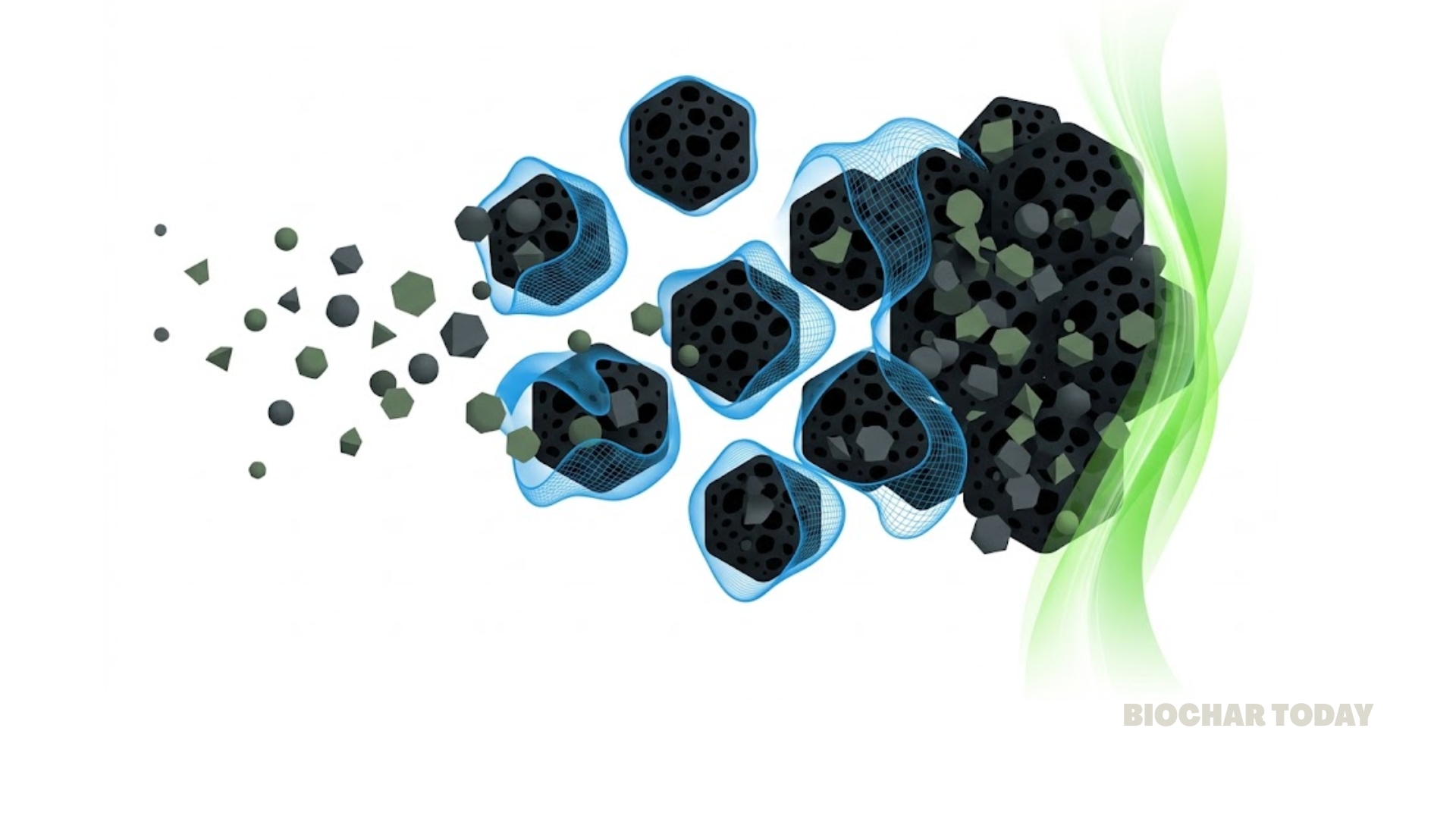
In a comprehensive review published in the journal Discover Civil Engineering, researchers Awadhesh Kumar Verma, Tanya Singh, Ashab Noumani, Satyendra Singh, Olga Ergunova, and Neeta Raj Sharma explore how engineering biochar with polymer coatings can revolutionize environmental protection. While raw biochar is effective, it often suffers from structural weaknesses, such as thermal instability and the tendency to leach toxic elements back into groundwater. By applying a thin layer of polymer to these carbon particles, scientists have discovered they can create a more durable and efficient material that addresses these significant technical hurdles.
The findings indicate that these specialized coatings significantly improve the functional efficacy of the material, particularly in the realm of pollutant removal. One of the most striking results is that polymer-coated biochar can achieve an adsorption specificity of up to 98%, far exceeding the performance of traditional, uncoated charcoalCharcoal is a black, brittle, and porous material produced by heating wood or other organic substances in a low-oxygen environment. It is primarily used as a fuel source for cooking and heating. More. This is possible because researchers can tailor the surface chemistry of the coating to attract specific contaminants, such as heavy metals, pharmaceuticals, and organic dyes. For example, when biochar is coated with polyacrylic acid, it shows a much higher affinity for capturing lead and cadmium. This level of precision makes the material a powerful asset for treating industrial wastewater and cleaning up contaminated soil.
Beyond just trapping pollutants, the study highlights how these composites offer a safer way to handle environmental materials. Traditional biochar is prone to creating fine particulate dust during transport and application, which can pose health risks. The polymer layer acts as a binder, effectively reducing dust formation and making the substance easier to manage in large-scale industrial settings. Furthermore, the coating acts as a physical barrier that shields the carbon matrix from microbial degradation and fluctuations in temperature and moisture. This increased stability ensures that the material stays active in the soil or water for a much longer period, reducing the need for frequent and costly reapplications.
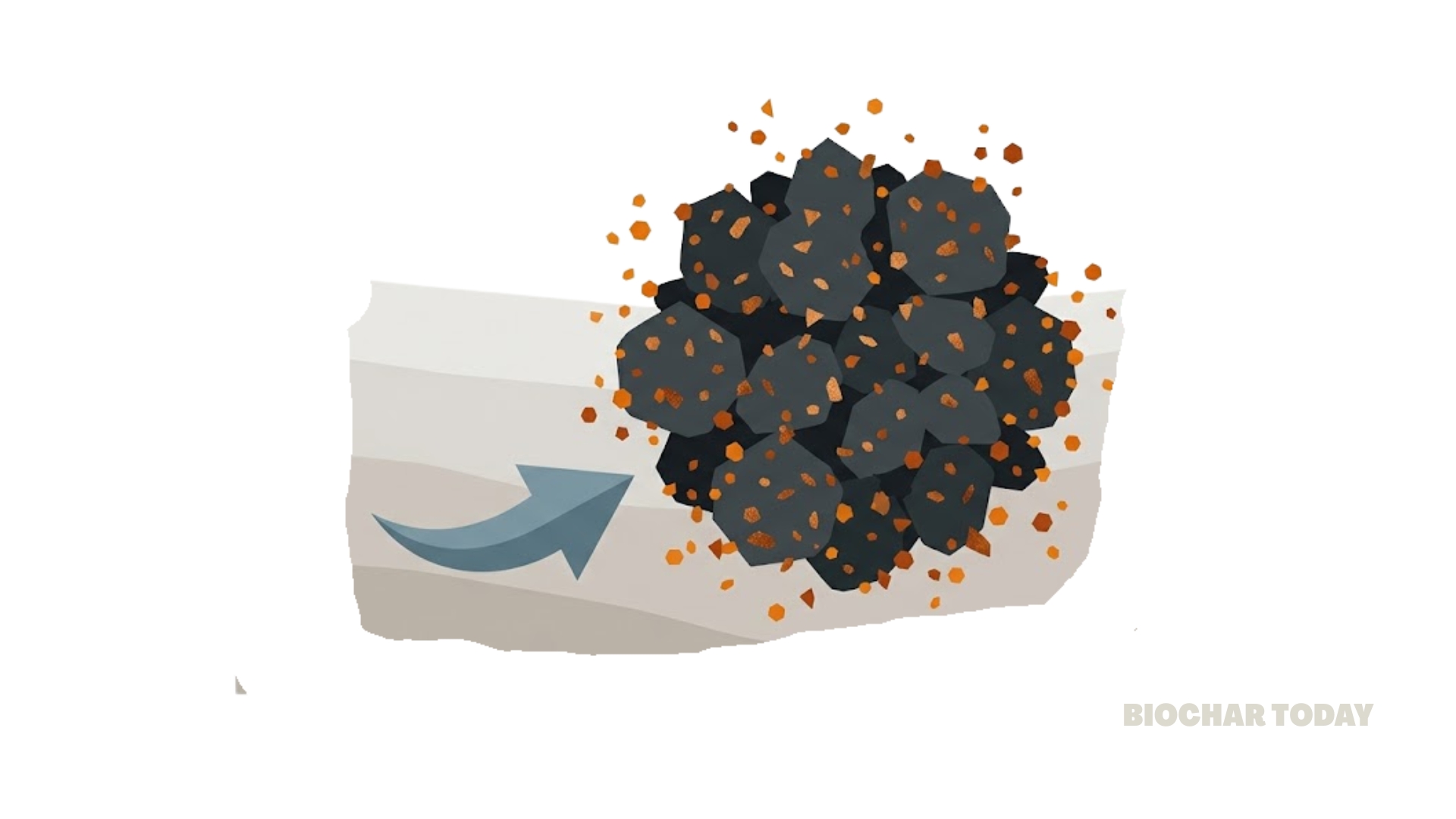
The research also points to transformative potential in the field of sustainable agriculture. Polymer-coated biochar can be engineered for controlled release, meaning it can hold onto nutrients and release them gradually over time. This mechanism is particularly beneficial for precision farming, as it aligns nutrient availability with the actual growth cycles of crops. By preventing the sudden leachingLeaching is the process where nutrients are dissolved and carried away from the soil by water. This can lead to nutrient depletion and environmental pollution. Biochar can help reduce leaching by improving nutrient retention in the soil. More of fertilizers into the surrounding environment, these materials help stop the pollution of local water sources while simultaneously boosting crop yields. This dual benefit supports global sustainability goals by promoting responsible consumption and cleaner water systems.
The mechanical benefits of these composites extend into manufacturing as well. When integrated into plastics, biochar can improve tensile strength and fire resistance. For instance, adding a specific amount of biochar to polypropylene was found to increase its strength by over 28%. These biochar-plastic packages have even been used to treat dyed wastewater, showing a synergistic effect where waste products are used to clean up other forms of pollution. This approach turns low-value organic waste into high-performance engineering materials, supporting the transition toward a circular economy.
Ultimately, the integration of polymers and biochar represents a significant leap forward in material science for environmental remediation. While raw biochar laid the groundwork, the addition of tailored polymer coatings provides the durability and precision needed for modern industrial and agricultural challenges. By addressing the inherent risks of leaching and degradation, these engineered composites offer a reliable, eco-friendly path toward cleaner water and more productive soil. As the technology continues to evolve, it promises to be a cornerstone of sustainable waste management and global climate change mitigation strategies.
Source: Verma, A. K., Singh, T., Noumani, A., Singh, S., Ergunova, O., & Sharma, N. R. (2026). Engineered biochar composites for improved adsorption stability and remediation of the wastewater. Discover Civil Engineering, 3, 61.



Leave a Reply