

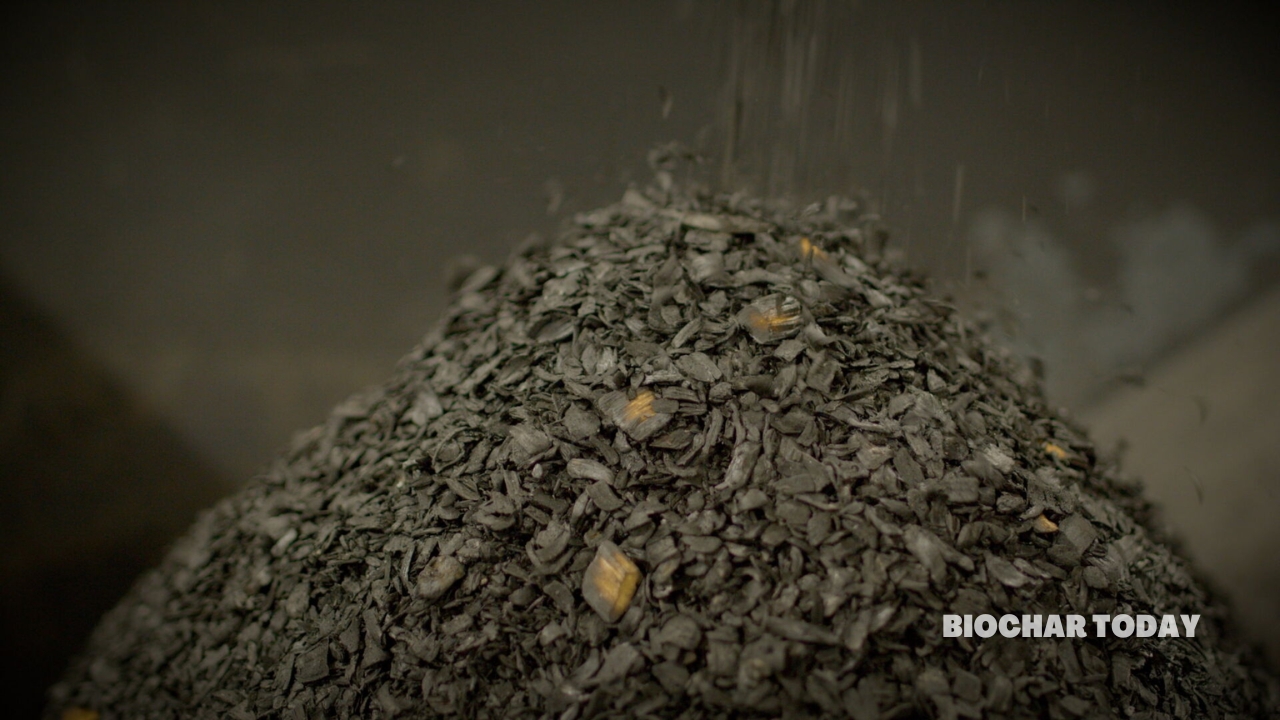
Interesting study by Almojil et al., reported in Environmental Research journal explores a clever way to clean water using waste pistachio shells to create a magnetic material that can remove harmful dye (methylene blue) and pesticide (diazinon) from water. The shells were turned into BiocharBiochar is a carbon-rich material created from biomass decomposition in low-oxygen conditions. It has important applications in environmental remediation, soil improvement, agriculture, carbon sequestration, energy storage, and sustainable materials, promoting efficiency and reducing waste in various contexts while addressing climate change challenges. More and enhanced with unique materials, including magnetic particles and a chemical structure called MOF-808. This improved material, called PSBC/CoFe₂O₄/MOF-808, effectively pulls pollutants out of the water and can be easily removed afterward using a magnet.
The material showed excellent results, removing over 99% of the dye and pesticide under specific conditions like the proper pHpH is a measure of how acidic or alkaline a substance is. A pH of 7 is neutral, while lower pH values indicate acidity and higher values indicate alkalinity. Biochars are normally alkaline and can influence soil pH, often increasing it, which can be beneficial More levels (9 for dye and 6 for pesticide), amount of material used, and temperature. It worked faster for the dye, taking just an hour, and slightly longer for the pesticide. Importantly, this cleaning process is safe and happens naturally when the water and the material interact. This new material can be reused often, especially in clean water, and provides an efficient, eco-friendly way to treat polluted water. By turning agricultural waste like pistachio shells into a valuable resource, the study also supports sustainable practices in waste management.
While the pistachio shell-derived magnetic Biochar shows excellent promise for water purification, Biochar Today points that several concerns need attention . The high costs and energy requirements for synthesizing MOF-808 and cobalt ferrite could limit its scalability, making it challenging for widespread use. Additionally, the material’s reduced efficiency in real-world wastewater—often containing complex contaminants—suggests that further optimization is needed. Environmental risks associated with the release of nanoparticles, as well as the lifecycle impacts of the composite, also remain largely unexplored. Addressing these challenges will be crucial for ensuring the practicality and sustainability of this promising technology.
Despite these concerns, creating a water treatment material from waste pistachio shells represents a remarkable step forward in environmental innovation. It offers a glimpse into a future where waste is transformed into resources, and sustainability drives technological development.
SOURCE: Almojil and Almohana , 2024. Abatement of methylene blue and diazinon pesticide from synthetic solutions using magnetic biochar from pistachio shells modified with MOF-808. Environmental Research. https://doi.org/10.1016/j.envres.2024.120542

Leave a Reply