

Scientific researchers have recently published their findings in the journal Current Research in Biotechnology which was authored by Luqi Yuan and several colleagues from the Suzhou University of Science and Technology. Their investigation focused on a sophisticated method for cleaning the liquid that drains from waste landfills known as leachate. This liquid is notoriously difficult to treat because it contains high concentrations of complex organic pollutants and heavy metals. To address this environmental challenge the research team utilized an integrated system that combines biological digestion with a microbial electrical cell. A key element of their study involved adding biocharBiochar is a carbon-rich material created from biomass decomposition in low-oxygen conditions. It has important applications in environmental remediation, soil improvement, agriculture, carbon sequestration, energy storage, and sustainable materials, promoting efficiency and reducing waste in various contexts while addressing climate change challenges. More created from biological waste to see how it might improve the cleaning process.
The results of the study indicate that the amount of time the wastewater stays in the treatment system is a critical factor for success. By adjusting this duration the researchers were able to significantly boost the efficiency of the cleanup operation. At a specific interval of forty-eight hours the system reached its peak performance and successfully removed over seventy percent of the chemical oxygen demand which is a standard measure for the amount of organic pollution in water. This level of efficiency was remarkably higher than what was achieved during shorter treatment periods. The addition of biochar played a supporting role as well by slightly enhancing the removal rates even when the processing time was relatively brief.
Beyond just the numbers the study also explored how the treatment system works on a microscopic level. The combination of biochar and the longer processing time created a better environment for helpful tiny organisms to grow. These functional microbes are responsible for breaking down the tough pollutants found in landfill drainage. Specifically the researchers found an enrichment of certain bacteria that are particularly good at handling the hazardous aromatic hydrocarbons present in the waste liquid. These microbes essentially act as tiny workers that dismantle the complex chemical structures of the contaminants and turn them into less harmful substances.
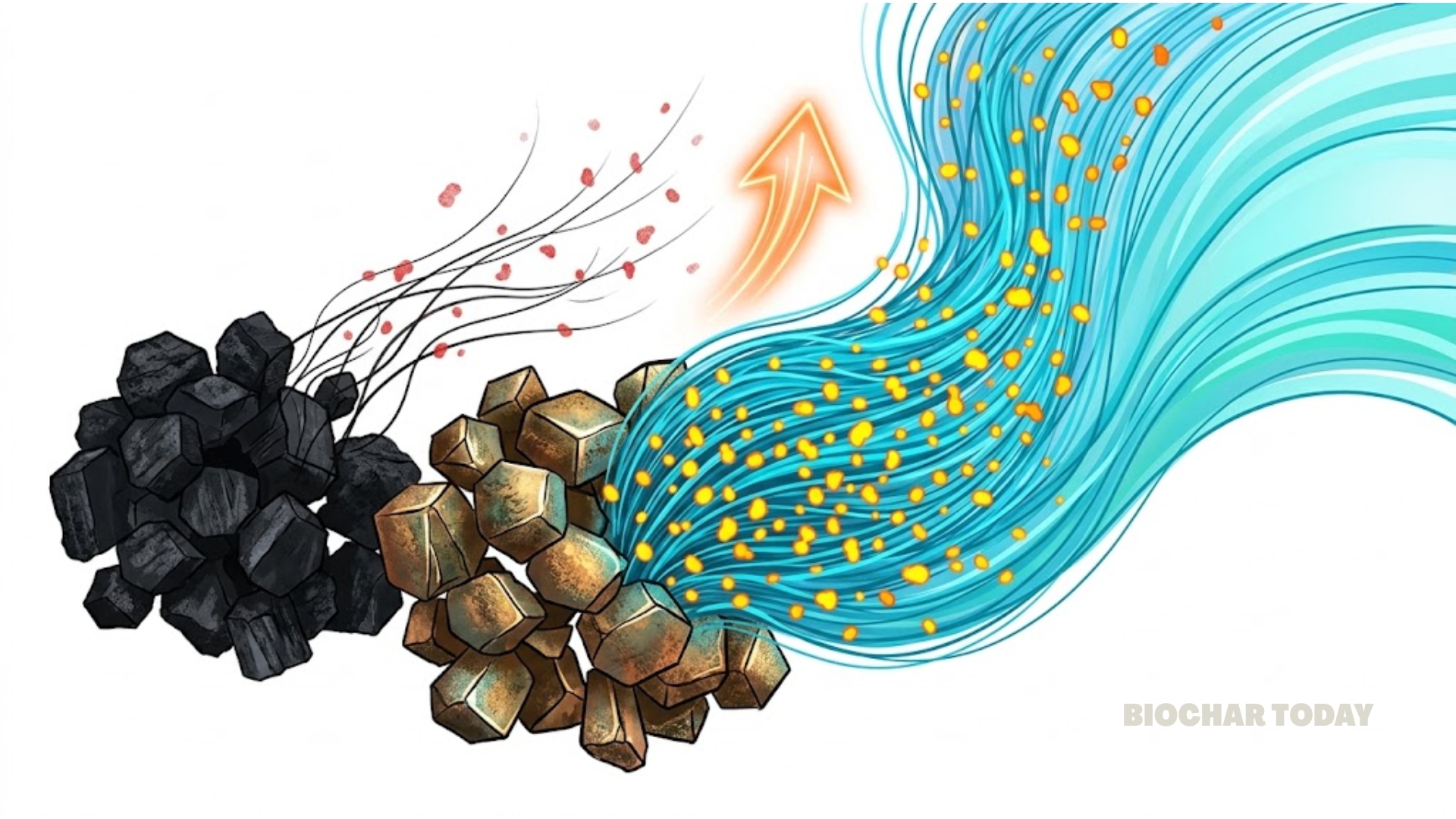
The researchers also noted that the biochar acts like a bridge for electricity within the system which helps the microbes work faster and more effectively. This electrical boost is what sets this specialized system apart from traditional biological treatment methods. By providing a stable surface and conductive network the biochar allows for better electron transfer between different species of microorganisms. This interaction is vital for the conversion of waste into methane gas which can potentially be captured and used as a source of renewable energy. This dual benefit of cleaner water and energy recovery makes the system a promising tool for future environmental management.
Looking ahead the team emphasized the importance of finding the right balance between how long the treatment takes and how much it costs to operate. While longer treatment times yield cleaner water they also require larger facilities and more investment. This study provides a valuable roadmap for engineers who are trying to design large-scale facilities for managing city waste more sustainably. By optimizing these operational parameters it is possible to make the treatment process more reliable and economically feasible. The findings suggest that with the right combination of technology and timing we can better protect our water resources from the impacts of waste disposal.
Source: Yuan, L., Liu, X., Cao, X., Gao, J., Yu, H., Li, Y., & Chen, C. (2026). Organic matter removal from landfill leachate using a biochar-enhanced microbial electrolytic cell-anaerobic digestion system at different HRT. Current Research in Biotechnology, 11, 100371.



Leave a Reply