
The U.S. National Science Foundation (NSF) is investing approximately $30 million in EPSCoR (Established Program to Stimulate Competitive Research) jurisdictions, including Montana, Idaho, and Louisiana. This funding is dedicated to enhancing research capacity and developing the workforce in areas like energy, biotechnology, and semiconductors. A significant portion of this effort is concentrated at Montana Technological University, which secured a $7.5 million NSF grant to establish the Center for Energy Technologies (CET).
The CET, supported by this five-year award through the EPSCoR CREST Phase I program, is structured as a research hub focusing on regional energy systems. The primary goal is to develop and implement technologies that address local issues, including forest resource management and energy storage challenges specific to cold climates.
Biochar Production from Forest Biomass
The research at the CET is centered on developing processes to convert specific biomassBiomass is a complex biological organic or non-organic solid product derived from living or recently living organism and available naturally. Various types of wastes such as animal manure, waste paper, sludge and many industrial wastes are also treated as biomass because like natural biomass these More resources, such as beetle-killed trees and other forest waste, into usable energy and material products. This strategy directly addresses the issue of excess forest biomass, which contributes to elevated wildfire risk.
Researchers will use localized pyrolysisPyrolysis is a thermochemical process that converts waste biomass into bio-char, bio-oil, and pyro-gas. It offers significant advantages in waste valorization, turning low-value materials into economically valuable resources. Its versatility allows for tailored products based on operational conditions, presenting itself as a cost-effective and efficient More systems that heat the biomass in a controlled, low-oxygen environment. This process yields two principal outputs:
1. Gaseous Fuels: These fuels can be utilized for generating electricity, often through solid oxide fuel cell technologies.
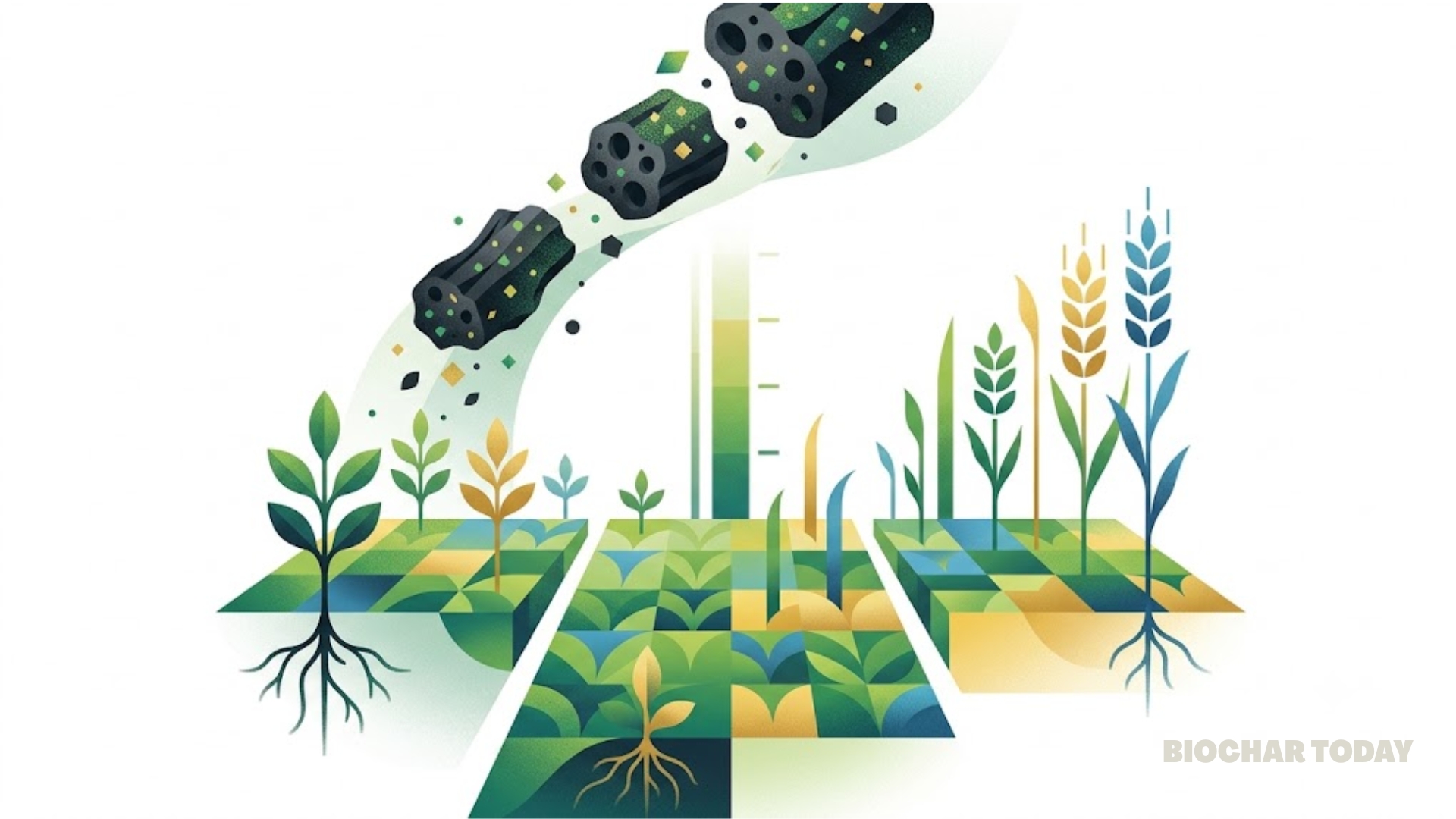
2. BiocharBiochar is a carbon-rich material created from biomass decomposition in low-oxygen conditions. It has important applications in environmental remediation, soil improvement, agriculture, carbon sequestration, energy storage, and sustainable materials, promoting efficiency and reducing waste in various contexts while addressing climate change challenges. More: This carbon-rich solid is the key byproduct of the thermal process.
The project is designed to integrate resource management with energy production, effectively repurposing material that would otherwise be categorized as waste.
Technical Applications of Biochar Byproducts
The CET’s research extends the traditional uses of biochar by investigating its potential in advanced material science. While biochar is well-known for its ability to enhance soil properties and sequester carbon in agriculture, the center will specifically examine the solid and liquid byproducts resulting from the pyrolysis of forest waste.
A core focus of the research is to determine if these byproducts can be effectively incorporated into battery storage applications. This investigation into material science is aimed at improving energy storage solutions, which are critical for the reliability of rural power systems, particularly those operating in harsh, cold weather. The team will study how these carbonaceous materials perform as components within electrochemical storage devices.
Enhancing Research Capacity and STEM Education
The NSF’s EPSCoR program is designed to strengthen science and engineering research and education at institutions that demonstrate the potential for increased research competitiveness. The CET fulfills this objective by serving as a multidisciplinary training platform.
The $7.5 million award provides resources for faculty and students to conduct applied research in energy technologies. The center will involve undergraduate and graduate students, offering them hands-on experience in the integrated disciplines of chemical processing, material engineering, and sustainable resource management. This educational component is intended to cultivate a skilled technical workforce capable of addressing regional and national energy challenges.
LEARN MORE:
- NSF invests $30M in EPSCoR jurisdictions for research and workforce development in energy, semiconductors, nanotechnology and biotechnology
- Montana Tech secures $7.5 million NSF grant to launch Center for Energy Technologies




Leave a Reply