
Nevada County’s Community Development Agency is set to distribute free compost and biocharBiochar is a carbon-rich material created from biomass decomposition in low-oxygen conditions. It has important applications in environmental remediation, soil improvement, agriculture, carbon sequestration, energy storage, and sustainable materials, promoting efficiency and reducing waste in various contexts while addressing climate change challenges. More to residents on April 26th, underscoring a proactive approach to organic waste management and soil health enhancement. The compost originates from organic waste collected from county residents and processed at the Ostrom Organics facility. This initiative directly supports California’s Senate Bill 1383, which mandates a reduction in organic waste disposal in landfills. Diverting “thousands of tons” of organic material for composting demonstrates a tangible commitment to this state-level objective.
Complementing the compost giveaway is the distribution of biochar, a soil amendmentA soil amendment is any material added to the soil to enhance its physical or chemical properties, improving its suitability for plant growth. Biochar is considered a soil amendment as it can improve soil structure, water retention, nutrient availability, and microbial activity. More produced from the county’s BiomassBiomass is a complex biological organic or non-organic solid product derived from living or recently living organism and available naturally. Various types of wastes such as animal manure, waste paper, sludge and many industrial wastes are also treated as biomass because like natural biomass these More Pilot Project. This project has processed over 5,000 tons of local hazardous vegetation, yielding approximately 160 tons of biochar. This dual benefit addresses both waste management and ecological concerns by repurposing potential wildfire fuel into a valuable soil enhancer.
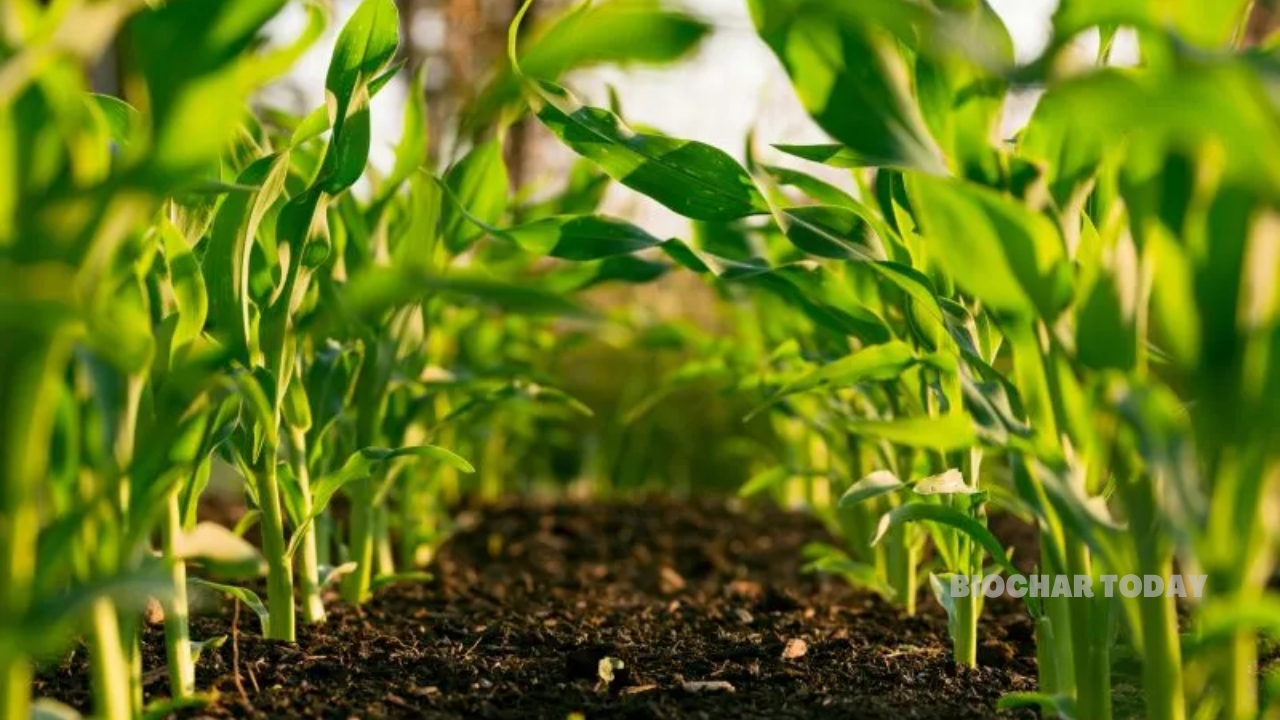
The availability of both compost and biochar offers residents a significant opportunity to improve their gardening practices. Compost enhances soil structure and nutrient content, while biochar improves water retention and microbial activity. This initiative, funded by a CalRecycle grant, not only provides a direct benefit to residents but also serves as an educational outreach effort regarding the advantages of organic waste recycling. The limited quantities and non-commercial use stipulation ensure broad community access to these resources. This strategic distribution of processed organic waste and biomass-derived biochar exemplifies a practical application of circular economy principles within the county.
READ MORE



Leave a Reply