
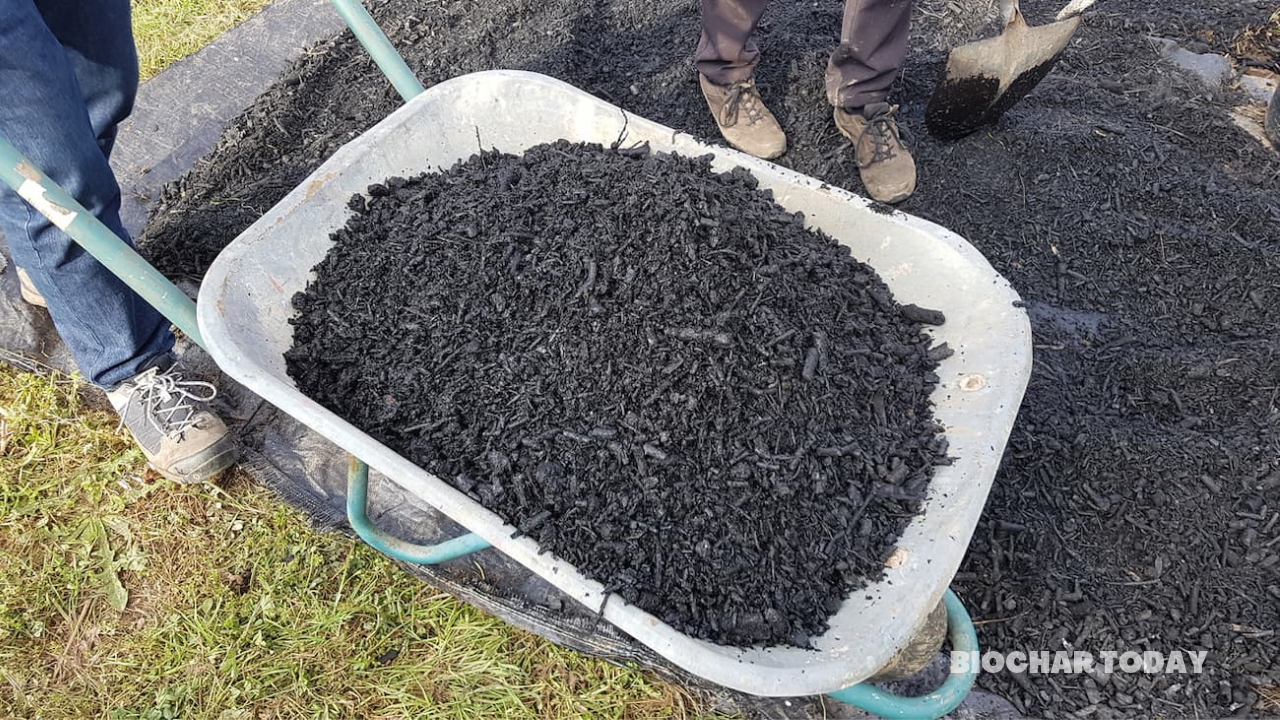
As Taiwan moves to scale up its biocharBiochar is a carbon-rich material created from biomass decomposition in low-oxygen conditions. It has important applications in environmental remediation, soil improvement, agriculture, carbon sequestration, energy storage, and sustainable materials, promoting efficiency and reducing waste in various contexts while addressing climate change challenges. More industry, sector developers face pivotal decisions regarding carbon credit standards, storage durability, and sustainable business models. Drawing comparative insights from mature markets in Thailand, Europe, and the United States, industry participants are evaluating how to transition biochar from a niche agricultural amendment into a robust, commercially viable carbon removal mechanism.
The primary challenge addressed in developing this market involves navigating complex regulatory frameworks and establishing reliable methodologies for carbon accounting. Specifically, developers must reconcile divergent international standards governing carbon credit issuance with local operational realities in Taiwan. Uncertainties surrounding long-term storage durability, measurement protocols, and the lack of standardized commercial frameworks have historically hindered widespread investor confidence and commercial deployment.
To address these hurdles, stakeholders are looking toward established international frameworks and cross-border operational models for guidance. By analyzing how European and American markets tackle permanence verification, alongside Thailand’s approaches to localized agricultural integration, Taiwan’s industry developers can identify scalable templates. Adopting rigorous certification protocols ensures that carbon sequestration claims remain verifiable and aligned with global compliance expectations.
The outcomes of these strategic alignments point toward a more structured and transparent biochar economy in Taiwan. By resolving uncertainties related to credit standards and business integration, developers are better positioned to attract climate tech financing and build enduring commercial pathways that support broader national net-zero targets.




Leave a Reply