
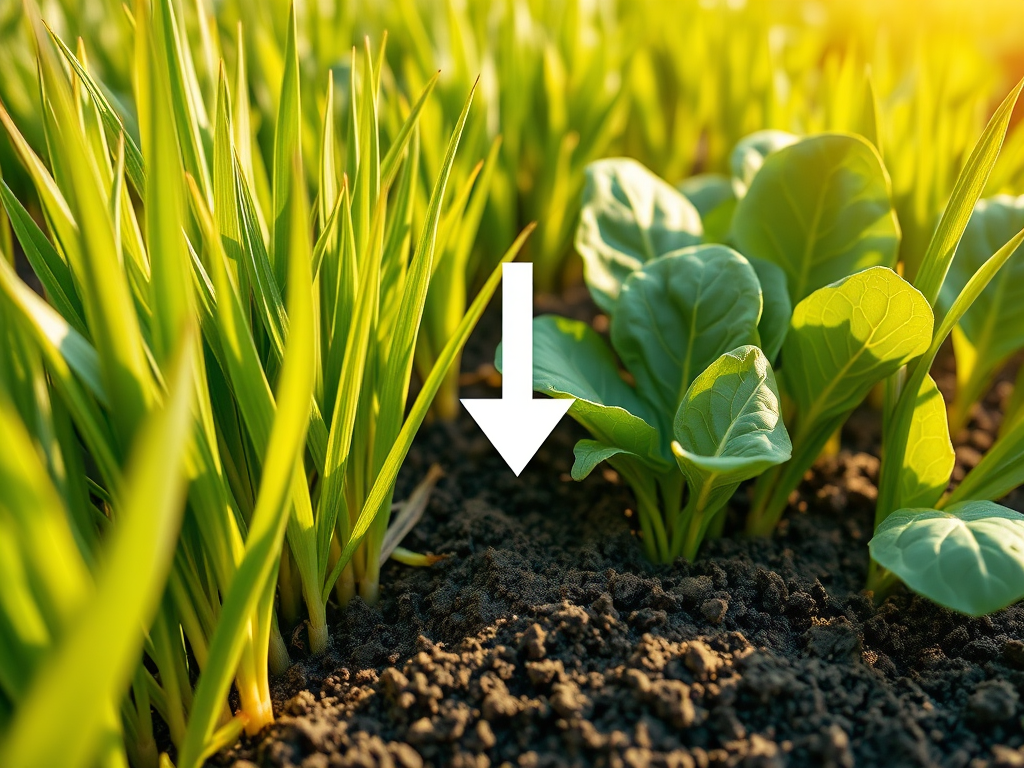
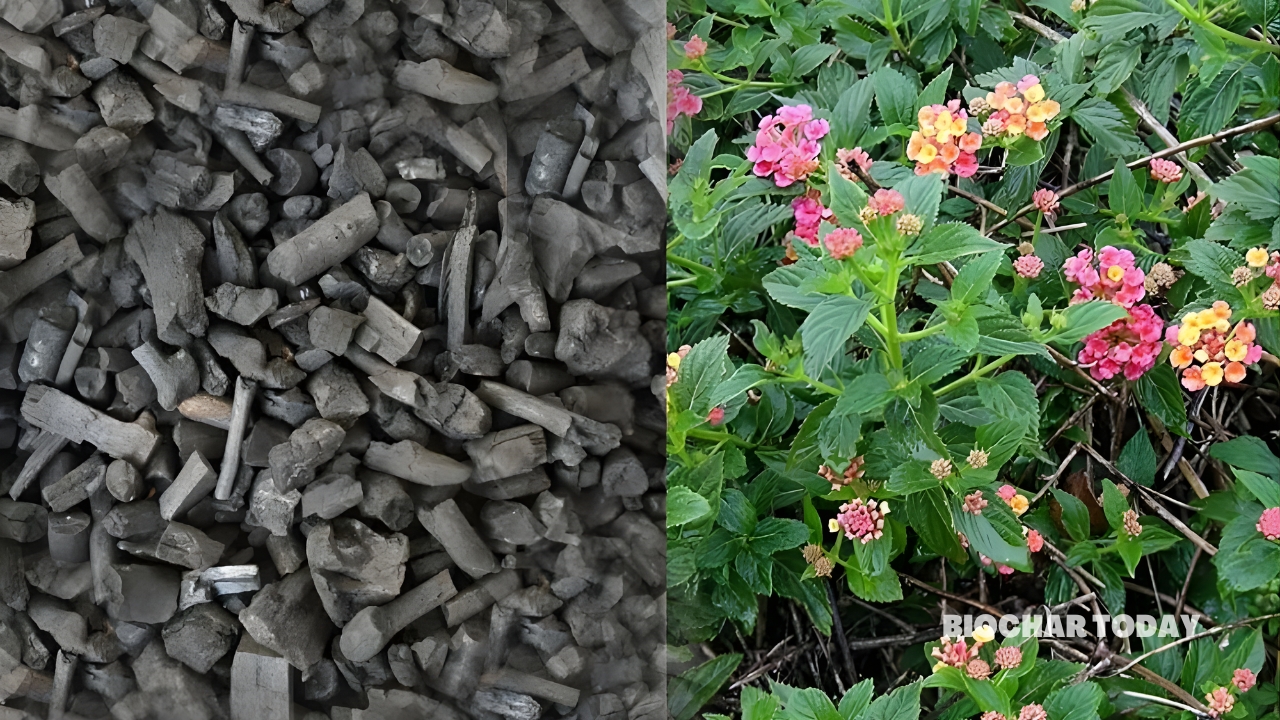
As global agricultural demands intensify amid rising environmental stressors, ensuring crop safety and health, particularly against heavy metal contamination like arsenic (As), is paramount. Nano-enabled biocharBiochar is a carbon-rich material created from biomass decomposition in low-oxygen conditions. It has important applications in environmental remediation, soil improvement, agriculture, carbon sequestration, energy storage, and sustainable materials, promoting efficiency and reducing waste in various contexts while addressing climate change challenges. More (Nano-BC) has emerged as a promising solution. A review published in the Journal of Soil Science and Plant Nutrition by Mohammad Faizan, Pooja Sharma, Abdullah Eren, Shadma Afzal, Pravej Alam, Mehmet Firat Baran, and Shamsul Hayat, comprehensively examines how Nano-BC mitigates arsenic toxicity in plants, paving the way for safer crops and improved food security.
Arsenic, a highly toxic metalloid, severely impacts crop productivity by disrupting physiological, biochemical, and molecular processes. It is prevalent in contaminated soils, with concentrations ranging from a few μg/kg to 250,000 mg/kg. Plants primarily absorb As through phosphate transporters, leading to its accumulation in the food chain. This toxicity manifests as reduced plant height, leaf size, root length, biomassBiomass is a complex biological organic or non-organic solid product derived from living or recently living organism and available naturally. Various types of wastes such as animal manure, waste paper, sludge and many industrial wastes are also treated as biomass because like natural biomass these More, and impaired physiological processes like photosynthesis and nutrient uptake.
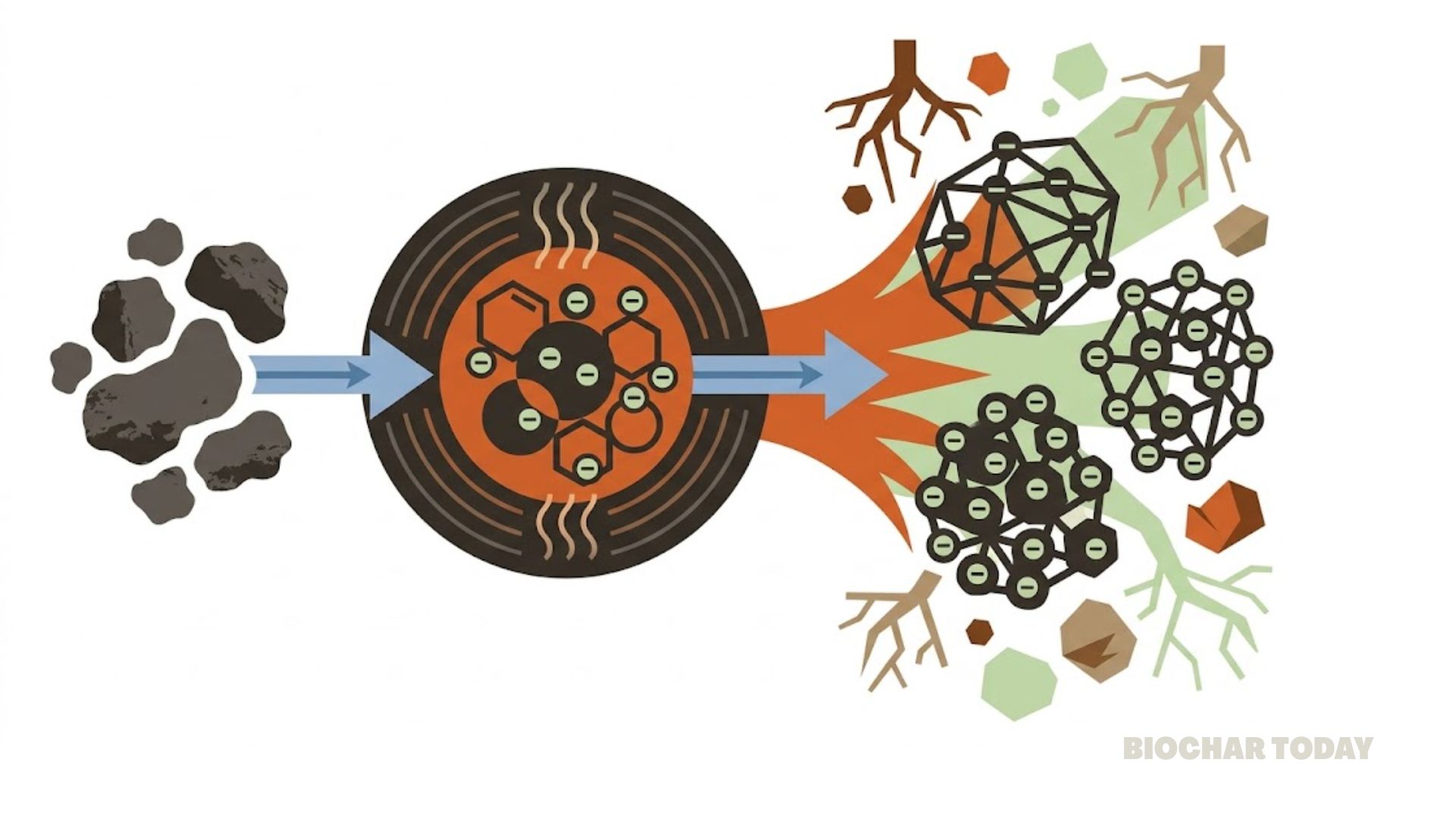
Nano-BC, an advanced form of biochar produced at the nanoscale (1 µM to 1 nm) , offers enhanced properties compared to conventional biochar, including a higher specific surface area, larger pore size, and a wider range of functional groups. These characteristics make Nano-BC particularly effective in environmental remediation, such as adsorbing hazardous materials like heavy metals. The core mechanism by which Nano-BC mitigates As toxicity involves reducing its bioavailability in the soil and enhancing the plant’s natural detoxification pathways. Nano-BC binds with As species (both arsenate and arsenite) in the soil through various adsorption mechanisms, including electrostatic interactions, chelation, hydrogen bonding, surface precipitation, and redox reactions. This immobilization significantly curtails As uptake by plant roots, thereby preventing its translocation to plant tissues and alleviating phytotoxic effects such as reduced biomass and oxidative stress.
Furthermore, Nano-BC strengthens the plant’s antioxidant defense system, which is crucial for neutralizing reactive oxygen species (ROS) generated by As stress. It enhances the activity of key antioxidant enzymes like peroxidase (POD), catalase (CAT), and superoxide dismutase (SOD), preserving cellular integrity and fostering plant resilience.
Comparative studies highlight Nano-BC’s efficacy in different crops. In rice, a 1% Nano-BC amendment led to a 45% reduction in As uptake and a 50% decrease in As bioavailability, resulting in a 20% increase in plant biomass. For spinach, a 2% Nano-BC application achieved a 60% reduction in As uptake, 65% lower bioavailability, and a 25% increase in biomass. These findings demonstrate Nano-BC’s crucial role in restricting As translocation and minimizing bioaccumulation in crops.
While Nano-BC shows immense potential in sustainable agriculture by improving soil structure, nutrient retention, and supporting beneficial microbial populations , concerns remain regarding its long-term ecological impacts, potential for accumulation, and interactions with native microbial communities. Future research needs to focus on optimizing Nano-BC formulations for enhanced efficiency and minimal unintended environmental consequences, ensuring its safe and effective integration into sustainable agricultural practices.
Source: Nano-enabled Biochar Modulate Arsenic Toxicity in Plants: A Step Towards Crop Safety and Health. (2025). Journal of Soil Science and Plant Nutrition.


Leave a Reply