

The Mercedes-AMG PETRONAS F1 Team has announced a significant expansion of its global carbon removals portfolio, establishing a multi-year commitment to high-integrity climate solutions. In collaboration with the carbon removal marketplace CUR8, the team is investing in 18,900 tCO2e across a diverse range of nature-based and engineered projects. This initiative spans multiple countries, including Brazil, India, Canada, the United States, and the United Kingdom, aligning with the Formula One race calendar. Among the six primary technology types selected for this portfolio, biocharBiochar is a carbon-rich material created from biomass decomposition in low-oxygen conditions. It has important applications in environmental remediation, soil improvement, agriculture, carbon sequestration, energy storage, and sustainable materials, promoting efficiency and reducing waste in various contexts while addressing climate change challenges. More stands out as a critical component for achieving the team’s goal of Net Zero by 2030.
The primary challenge addressed by this expansion is the mitigation of residual emissions—those carbon outputs that cannot be fully eliminated through standard reduction methods. Within the high-intensity environment of global motorsport, logistics and industrial operations often result in a “hard-to-abate” fraction of emissions. Without a scalable, high-quality mechanism to remove these gases from the atmosphere, achieving a true net-zero status remains impossible. The team identified the need for a stable, high-integrity ecosystem that can provide durable carbon storage while ensuring transparency and best-practice methodology across a fragmented global market.
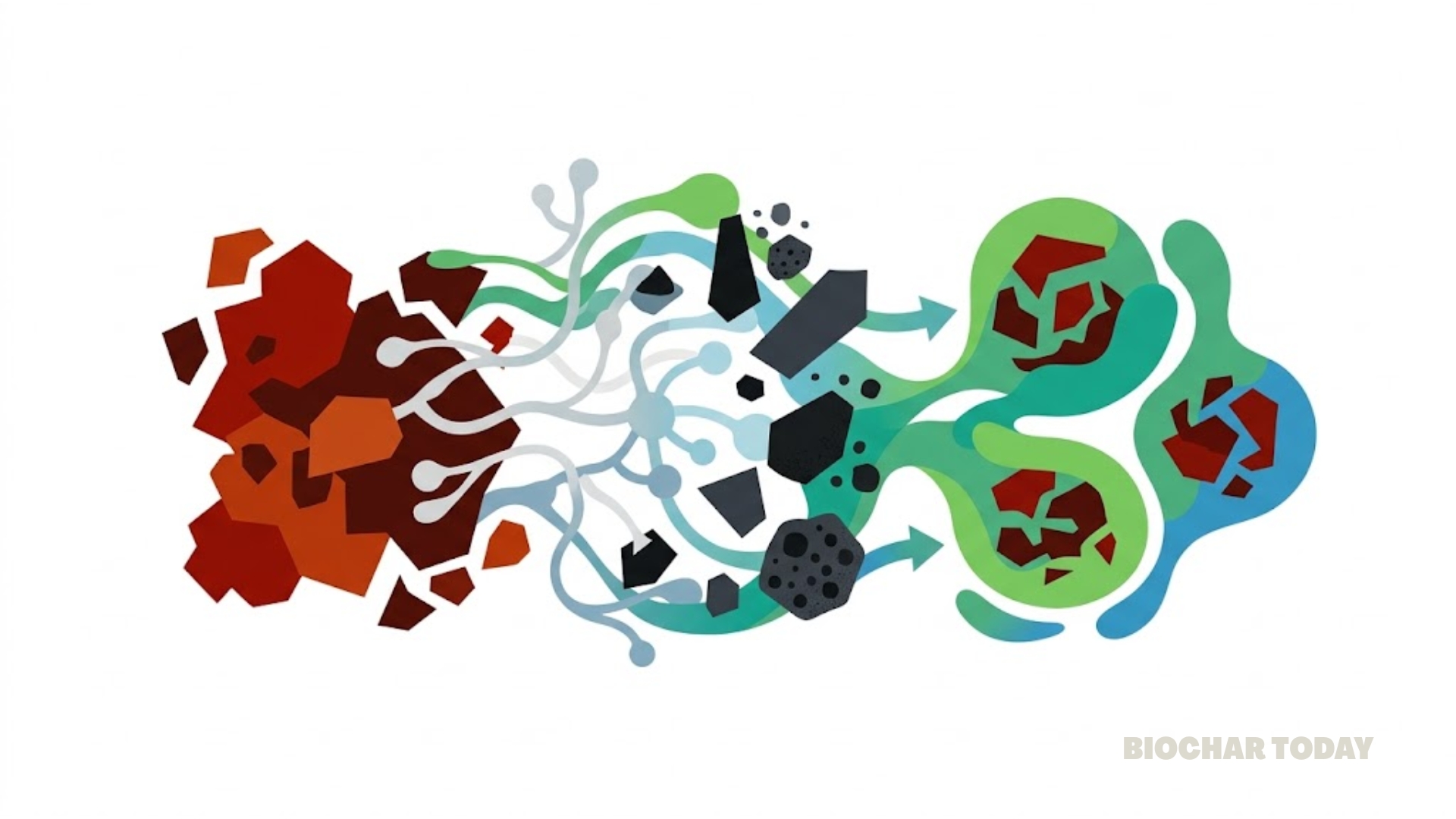
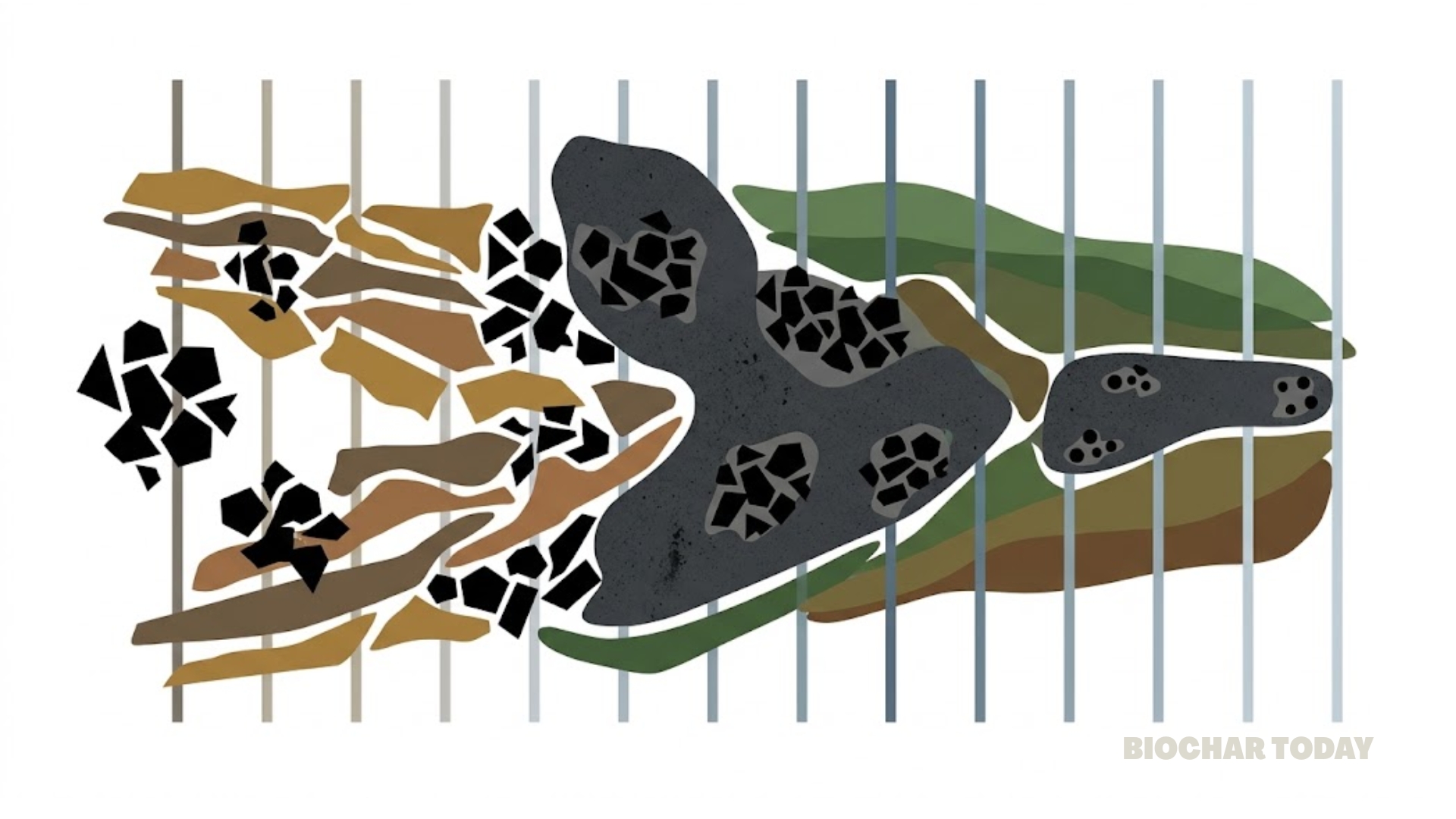
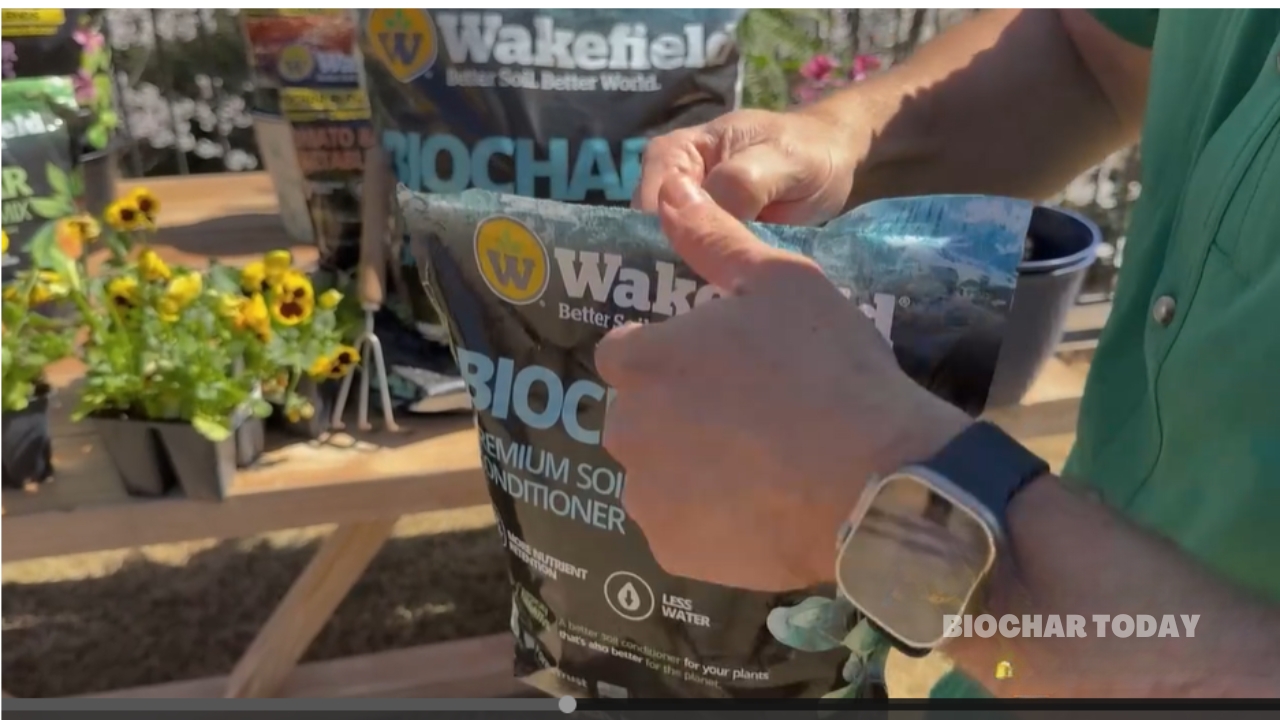
To resolve these challenges, the Mercedes-AMG PETRONAS F1 Team is implementing a diversified investment strategy focused on permanent carbon sequestration. Biochar is utilized as a stable solution where biomassBiomass is a complex biological organic or non-organic solid product derived from living or recently living organism and available naturally. Various types of wastes such as animal manure, waste paper, sludge and many industrial wastes are also treated as biomass because like natural biomass these More is heated in the absence of oxygen, creating a carbon-rich material that is added to soils. This process not only prevents the biomass from decomposing and releasing CO2 but also improves soil fertility. By partnering with organizations like Carboneers and InPlanet, the team is deploying biochar and enhanced rock weathering projects in regions such as Brazil and India to create a geographically distributed and technologically robust removal network.
The outcomes of this initiative position the Mercedes-AMG PETRONAS F1 Team as a leader in corporate climate responsibility within the sports industry. By securing 18,900 tonnes of carbon removals, the team is accelerating the commercial viability and scaling of the biochar and carbon removal sectors. The project ensures long-term durability of stored carbon while simultaneously providing environmental and agricultural benefits to local communities. This strategic move provides a verified blueprint for other global organizations to address residual emissions through high-integrity, multi-technology carbon portfolios.


Leave a Reply