
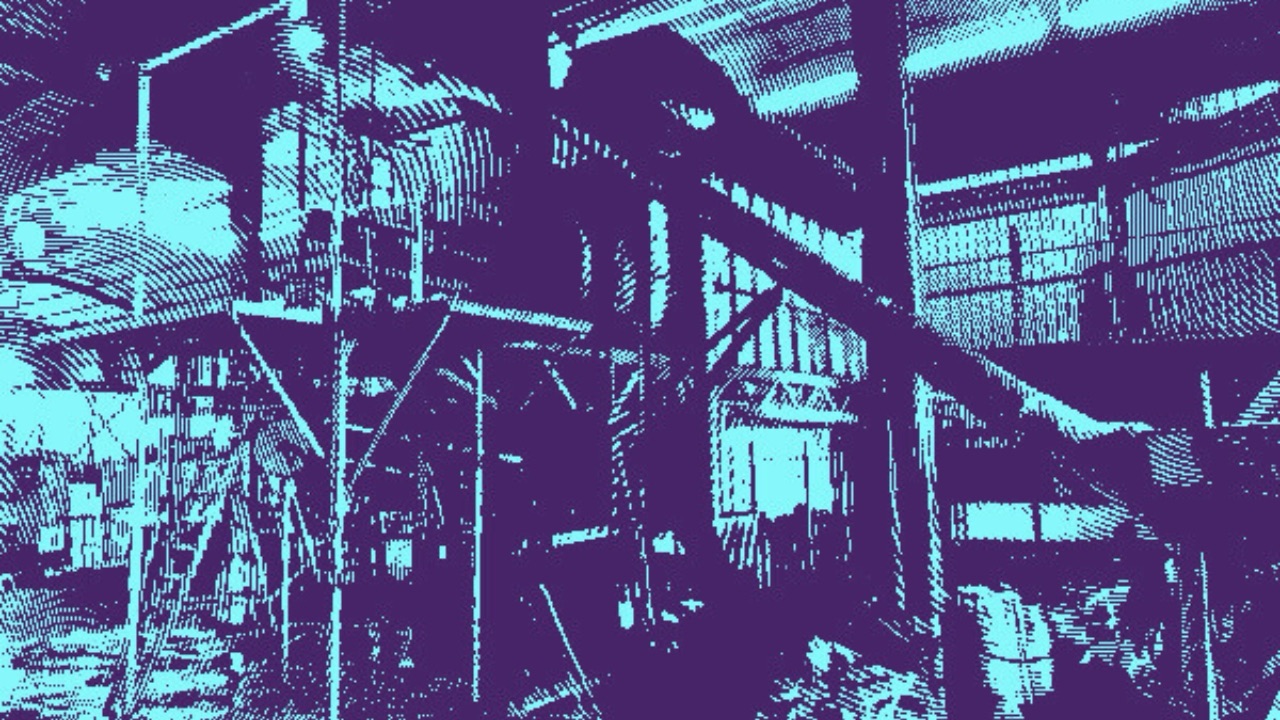
An undisclosed biocharBiochar is a carbon-rich material created from biomass decomposition in low-oxygen conditions. It has important applications in environmental remediation, soil improvement, agriculture, carbon sequestration, energy storage, and sustainable materials, promoting efficiency and reducing waste in various contexts while addressing climate change challenges. More production facility located in Jitra, Kedah, Malaysia, has been fined RM15,000 by the Alor Setar Sessions Court following a successful prosecution by the Department of Environment (JAS). The penalty was handed down on December 14, 2025, after the company’s director pleaded guilty to charges related to regulatory non-compliance. The facility, which processes coconut shells into biochar, failed to submit the mandatory written notifications to environmental authorities regarding the installation of its production equipment, specifically a carbonizer burner.
This case was aimed at the enforcement of air quality standards and regulatory compliance within the industrial sector. The investigation by the Kedah Department of Environment was precipitated by public complaints regarding smoke emissions originating from the premise in Kampung Bemban, Mukim Gelong. Upon inspection on April 18, enforcement officers discovered that the facility was operating a carbonizer burner without having adhered to Regulation 5(1)(b) of the Environmental Quality (Clean Air) Regulations 2014. The failure to declare such machinery undermines the ability of regulatory bodies to monitor and manage potential pollutants effectively.
The result was strict legal action under the Environmental Quality Act 1974. The Department of Environment brought the matter before Judge Prissilia Hemamalini Nadarajan at the Alor Setar Sessions Court. The legal framework provided clear recourse for the violation, with provisions under Regulation 29 allowing for significantly higher penalties. The prosecution served to hold the operator accountable for the procedural oversight that led to the unmonitored operation of the biochar kiln.
The outcome of the proceedings was a court-ordered fine of RM15,000, a sum mitigated by the director’s admission of guilt and plea for leniency based on it being a first offense. The court was informed that the company had subsequently taken corrective action by submitting the required written notification to the Department of Environment. This case serves as a vital lesson for the biochar industry: operational transparency and proactive engagement with environmental regulators are non-negotiable. Organizations must rigorously ensure that all equipment, particularly carbonization units, complies with local clean air laws to maintain social license and avoid legal liabilities.





Leave a Reply