
Dominic Robertson, writing for the Shropshire Star, reports that Shropshire Council seeks an additional £1.3 million for its Ludlow biocharBiochar is a carbon-rich material created from biomass decomposition in low-oxygen conditions. It has important applications in environmental remediation, soil improvement, agriculture, carbon sequestration, energy storage, and sustainable materials, promoting efficiency and reducing waste in various contexts while addressing climate change challenges. More scheme, bringing the total budget to £3.3 million. This increase addresses unforeseen remediation, building expenses, heightened construction and machinery costs, and a demand for external technical expertise. Despite these rising costs, the project’s business case remains sound, and its anticipated benefits are achievable.
The pyrolysisPyrolysis is a thermochemical process that converts waste biomass into bio-char, bio-oil, and pyro-gas. It offers significant advantages in waste valorization, turning low-value materials into economically valuable resources. Its versatility allows for tailored products based on operational conditions, presenting itself as a cost-effective and efficient More plant, which received planning approval in January, transforms organic materials such as wood waste, straw, and manure into biochar. This charcoal-like substance offers multiple applications, including soil enhancement, air and water filtration, and serves as a carbon-negative additive in materials like concrete. The project also aims to generate Carbon Offset Removal Certificates (CORCs), which verify the amount of carbon dioxide removed from the atmosphere during biochar production, allowing them to be sold on the open market.
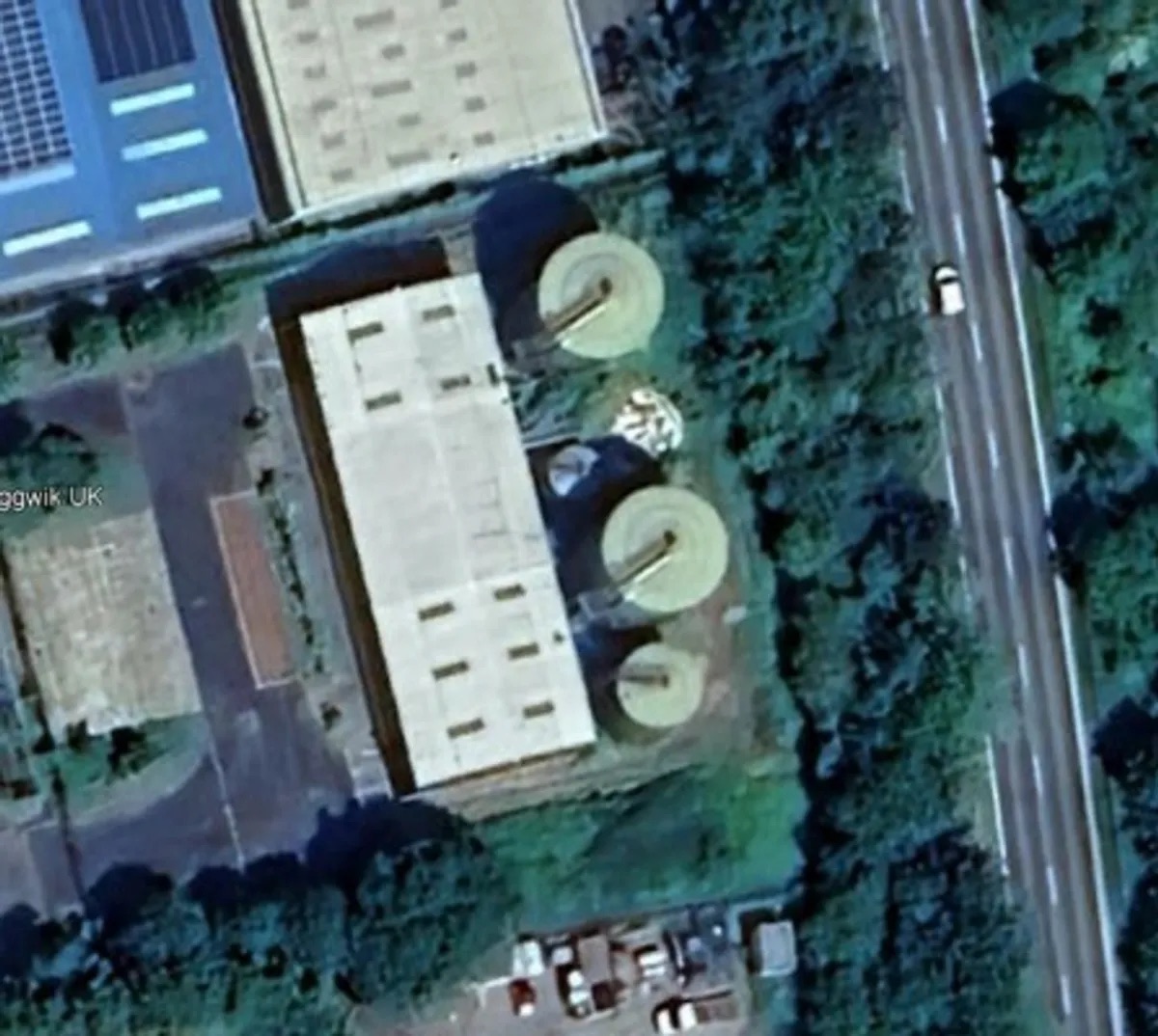
The site for the plant, located on Coder Road business park in Ludlow, previously housed an anaerobic digester, necessitating clearing and preparation for the new development. The council’s report emphasizes that failing to secure the increased budget could necessitate finding an alternative site. Furthermore, the existing issues at the Ludlow site would persist as an outstanding liability, incurring abortive costs and preventing the realization of significant environmental and financial benefits.
The council anticipates the project will deliver annual returns that adequately cover borrowing costs. Over the duration of the council’s medium-term financial strategy, the initiative is expected to achieve 10,000 tonnes of physical carbon removal. Additionally, the project provides an environmentally friendly method for managing green or food waste. These outcomes directly support the council’s objectives to reach its net-zero ambitions. The report concludes that the cost increases are unavoidable, particularly the remediation expenses for the land, which would eventually require attention regardless of the project’s continuation. The construction costs are also essential for delivering an effective and compliant building.




Leave a Reply