
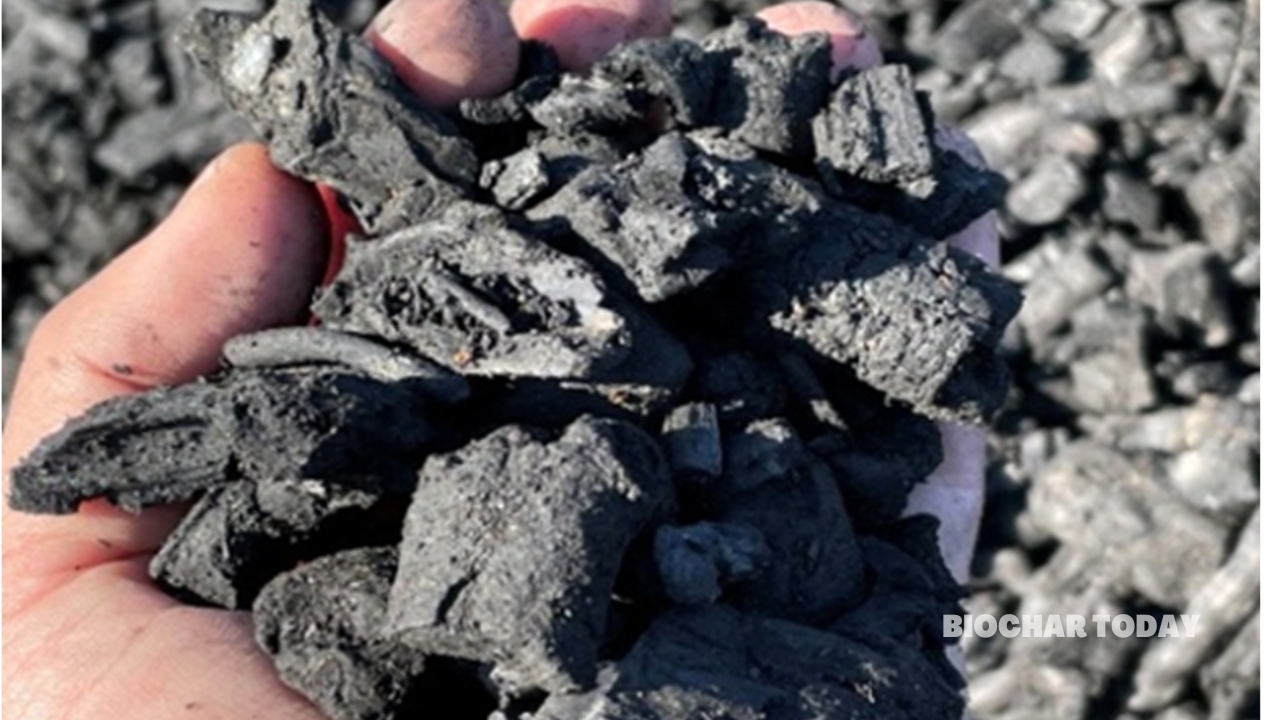
The Japan International Research Center for Agricultural Sciences (JIRCAS) recently released a comprehensive analysis detailing the integration of biocharBiochar is a carbon-rich material created from biomass decomposition in low-oxygen conditions. It has important applications in environmental remediation, soil improvement, agriculture, carbon sequestration, energy storage, and sustainable materials, promoting efficiency and reducing waste in various contexts while addressing climate change challenges. More into the agricultural systems of the Asia-Monsoon region. This initiative, part of the “Green Asia” project, evaluates the annual biochar production potential of the region at approximately 700 million tonnes. The research focuses on utilizing abundant local feedstocks, such as rice husk, straw, and sugarcane residues, to enhance soil fertility and contribute to climate change mitigation. By establishing standardized assessment methods, JIRCAS aims to provide a roadmap for regional stakeholders to adopt biochar as a staple of sustainable soil management and carbon sequestration.
The primary challenge addressed by the JIRCAS study is the economic and technical feasibility of producing high-quality biochar from seasonal, dispersed biomassBiomass is a complex biological organic or non-organic solid product derived from living or recently living organism and available naturally. Various types of wastes such as animal manure, waste paper, sludge and many industrial wastes are also treated as biomass because like natural biomass these More sources without overinvestment. In many parts of Asia, agricultural residues are either underutilized or disposed of through open burning, leading to wasted resources and greenhouse gas emissions. Furthermore, the variability of feedstocks and the lack of standardized metrics for carbon sequestration potential have historically hindered the large-scale adoption of biochar. Ensuring that production remains economically viable while meeting specific safety thresholds for heavy metals and other contaminants in diverse soil conditions remains a critical hurdle for regional implementation.
To address these issues, JIRCAS has developed a streamlined method for estimating soil carbon sequestration using proximate analysis based on the Japanese Industrial Standard (JIS) M 8812. This technical solution allows producers to estimate pyrolysisPyrolysis is a thermochemical process that converts waste biomass into bio-char, bio-oil, and pyro-gas. It offers significant advantages in waste valorization, turning low-value materials into economically valuable resources. Its versatility allows for tailored products based on operational conditions, presenting itself as a cost-effective and efficient More temperatures and sequestration potential by analyzing volatile matterVolatile matter refers to the organic compounds that are released as gases during the pyrolysis process. These compounds can include methane, hydrogen, and carbon monoxide, which can be captured and used as fuel or further processed into other valuable products. More and fixed carbon content. The organization also recommends a localized approach to production, utilizing pyrolysis systems exceeding 350°C to ensure stable carbon structures. To mitigate the low nitrogen content inherent in many biochar varieties, the solution involves supplementing application with nitrogen sources, such as manure or compost, tailored to the specific nutrient requirements of Asian mineral soils.
The implementation of these standardized practices has led to several significant outcomes, including the potential to offset roughly 3.7% of the Asia-Monsoon region’s total greenhouse gas emissions. In Japan, the Ministry of Agriculture, Forestry and Fisheries has already initiated subsidy programs for biochar production and application based on these scientific frameworks. Additionally, the study highlights the success of socio-economic models like the COOL VEGE® eco-brand, which balances short-term profitability for farmers with long-term environmental sustainability. These results demonstrate that a combination of robust policy frameworks, technical standardization, and localized production can effectively scale biochar use across international borders.

Leave a Reply