

Jain Irrigation has formally launched the Jain Industrial BiocharBiochar is a carbon-rich material created from biomass decomposition in low-oxygen conditions. It has important applications in environmental remediation, soil improvement, agriculture, carbon sequestration, energy storage, and sustainable materials, promoting efficiency and reducing waste in various contexts while addressing climate change challenges. More Project in Jalgaon, India, signaling a significant move toward industrial-scale biomassBiomass is a complex biological organic or non-organic solid product derived from living or recently living organism and available naturally. Various types of wastes such as animal manure, waste paper, sludge and many industrial wastes are also treated as biomass because like natural biomass these More valorization. This initiative focuses on processing agricultural residues derived from the region’s extensive farming and food processing sectors. By systematically converting surplus biomass into stable carbon, the project aims to align sustainable agricultural practices with international carbon market mechanisms, specifically targeting certifications such as Puro.earth.
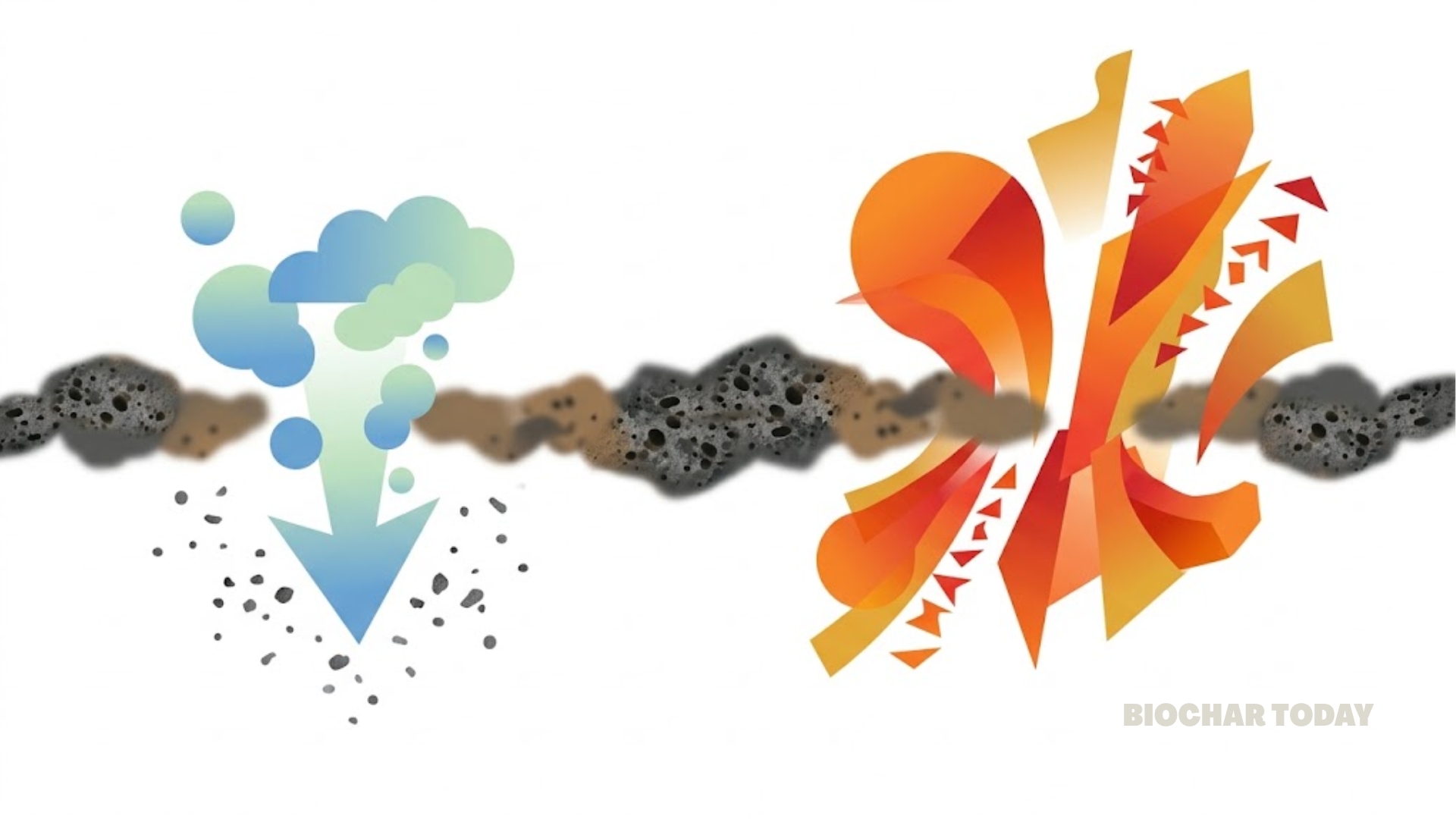
The primary challenge addressed by this initiative is the mismanagement of agricultural waste and the associated environmental degradation. Maharashtra generates approximately 21 million metric tons of surplus agricultural residues annually. Traditionally, a significant portion of this material is disposed of through open burning, a practice that releases substantial greenhouse gases and particulate matter into the atmosphere. Concurrently, the local agricultural sector faces declining soil health and increased vulnerability to climate variability, including erratic cycles of drought and flooding that threaten the economic stability of the farming community.
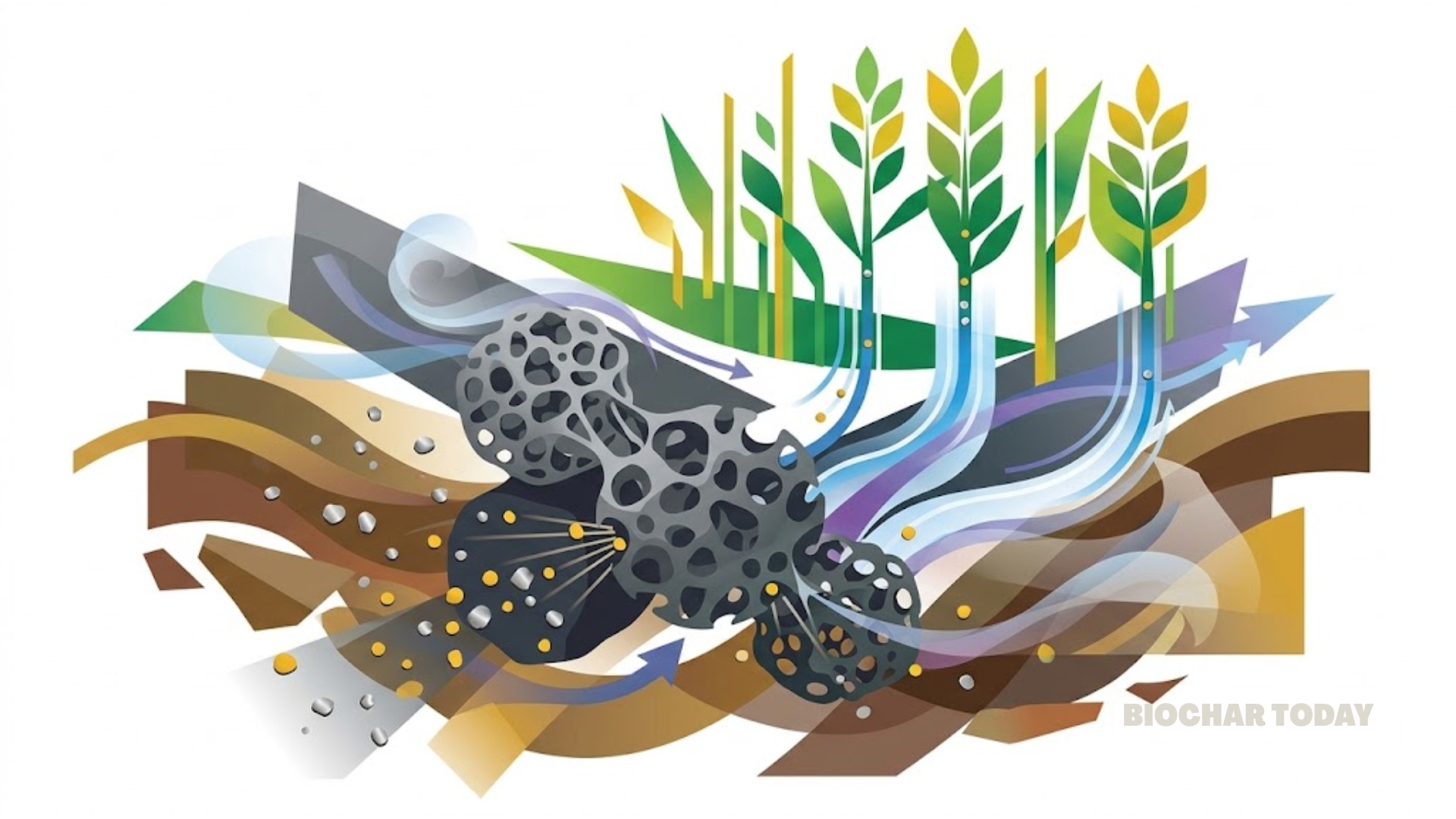
To mitigate these issues, the project has established a framework to utilize 100,000 tons of specific crop residues, including mango coir, corn cobs, and cotton stalks. The solution involves a structured supply chain where the facility purchases these residues directly from farmers and local collectors. This approach prevents the biomass from being burned and converts it into biochar. By creating a financial value for waste products, the initiative incentivizes the collection rather than the destruction of crop aftermath, effectively turning a waste management problem into a resource stream.
The anticipated outcomes of the Jain Industrial Biochar Project are multifaceted, targeting both environmental and economic metrics. The facility aims to produce 25,000 tons of biochar and generate over 50,000 carbon credits. Economically, the project provides farmers with an immediate new revenue stream through the sale of residues, while the subsequent application of biochar is expected to enhance soil fertility and crop yields. Furthermore, the operations are projected to create employment opportunities in residue collection, transportation, and production.
For the wider biochar industry, this project demonstrates the importance of securing a consistent, large-scale feedstockFeedstock refers to the raw organic material used to produce biochar. This can include a wide range of materials, such as wood chips, agricultural residues, and animal manure. More supply by monetizing agricultural waste for the grower. It underscores that successful industrial biochar deployment relies heavily on integrating community economic benefits with carbon sequestration goals.


Leave a Reply