
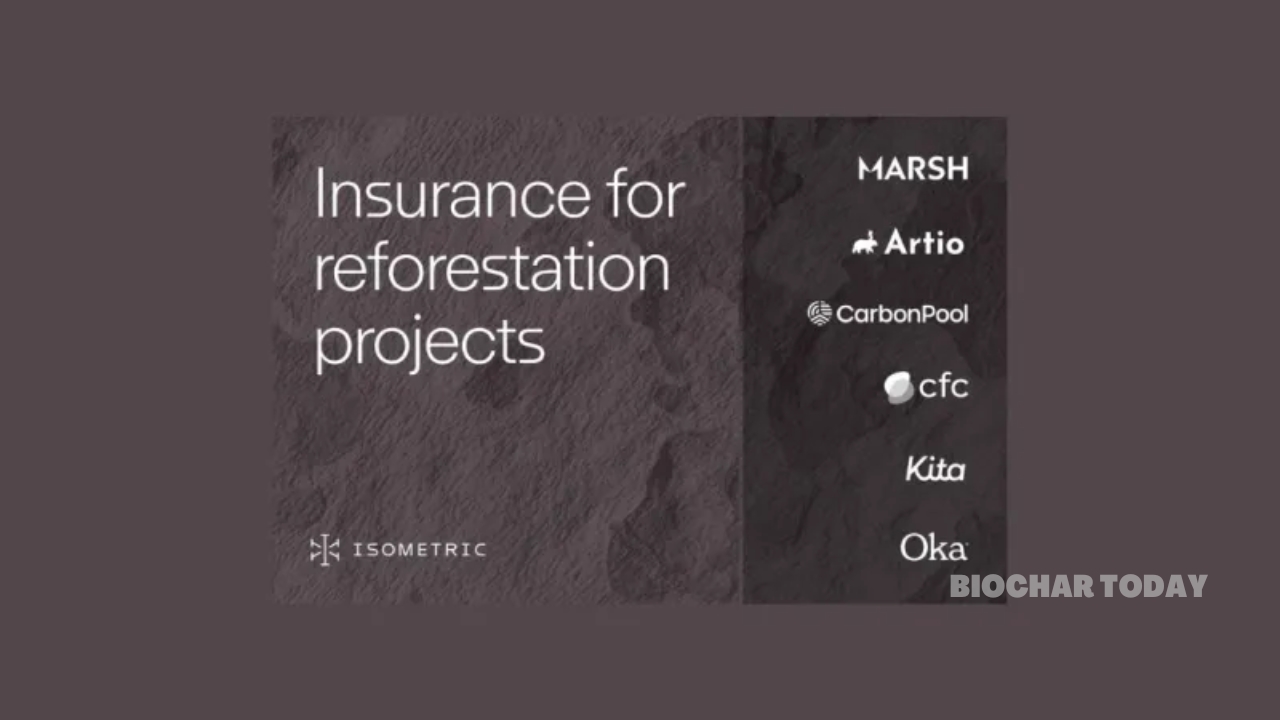
Isometric has launched an insurance framework designed to allow certified reforestation projects to substitute approved insurance policies for a portion of their traditional buffer pool contributions. Developed in partnership with global insurance broker Marsh, the framework addresses reversal risks—such as those caused by wildfires or disease—while freeing up carbon credits that would otherwise be locked away. Five initial providers, namely Artio, CarbonPool, CFC, Kita, and Oka, have been approved to underwrite policies under the framework, with provisions for additional insurers to join.
A central challenge in nature-based carbon removal is the significant capital lockup required during the early operational stages. Traditional carbon registries enforce strict buffer pools, requiring developers to withhold a substantial percentage of their issued carbon removal certificates as a safeguard against potential future reversals. This mandatory withholding reduces the immediate inventory available for sale, creating cash flow constraints and financial friction for project developers trying to scale reforestation initiatives.
To resolve these financial hurdles, the new framework integrates private insurance directly into the registry’s risk management architecture. By leveraging approved insurance coverage to mitigate the liability of potential carbon loss, developers can retain a larger share of their certified credits for immediate commercialization. This mechanism reduces early-stage capital friction and improves project revenue visibility, while ensuring that every credit retired by buyers maintains high-integrity backing.
The implementation of this insurance-backed model provides a scalable template for managing reversal risks in the forestry sector. By establishing formal pathways for third-party insurance within registry rules, developers gain enhanced financial flexibility without compromising environmental integrity. Isometric is currently evaluating options to expand this insurance framework to other carbon removal pathways beyond reforestation, signaling a broader shift toward mature financial risk management across the carbon market.



Leave a Reply