
Key Takeaways
- Iron-modified biocharBiochar is a carbon-rich material created from biomass decomposition in low-oxygen conditions. It has important applications in environmental remediation, soil improvement, agriculture, carbon sequestration, energy storage, and sustainable materials, promoting efficiency and reducing waste in various contexts while addressing climate change challenges. More can reduce available arsenic in contaminated soil by 63% and cut its accumulation in plants by over 78%.
- Agricultural waste like reed straw can be transformed into high-performance filters that trap toxic chemicals before they enter the food chain
- Iron-based treatments are nearly twice as effective as cerium-based alternatives because they use multiple chemical pathways to lock away pollutants.
- Adding these specialized biochars to soil not only traps toxins but also helps plants grow better by improving soil conditions and nutrient cycles.
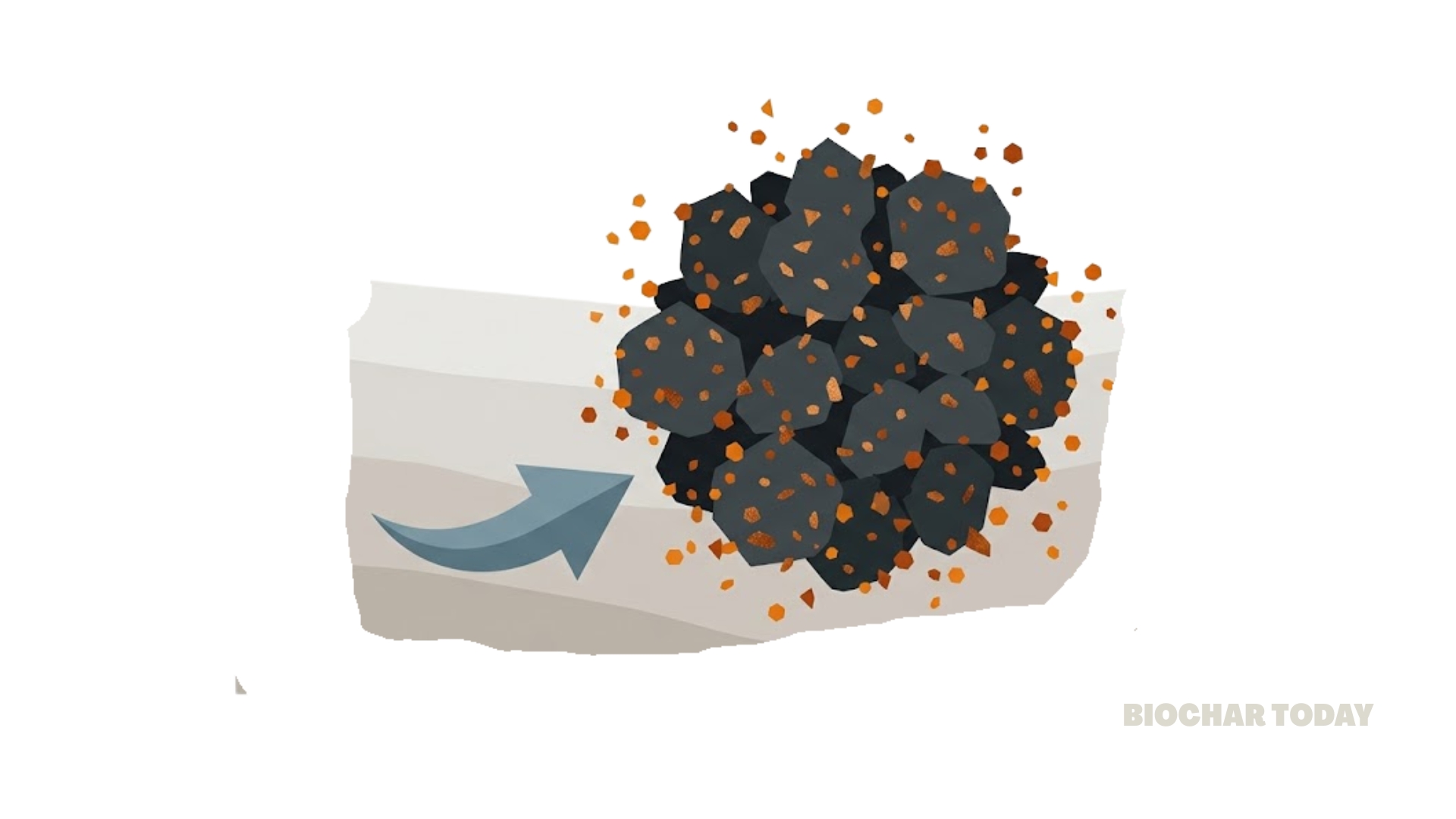
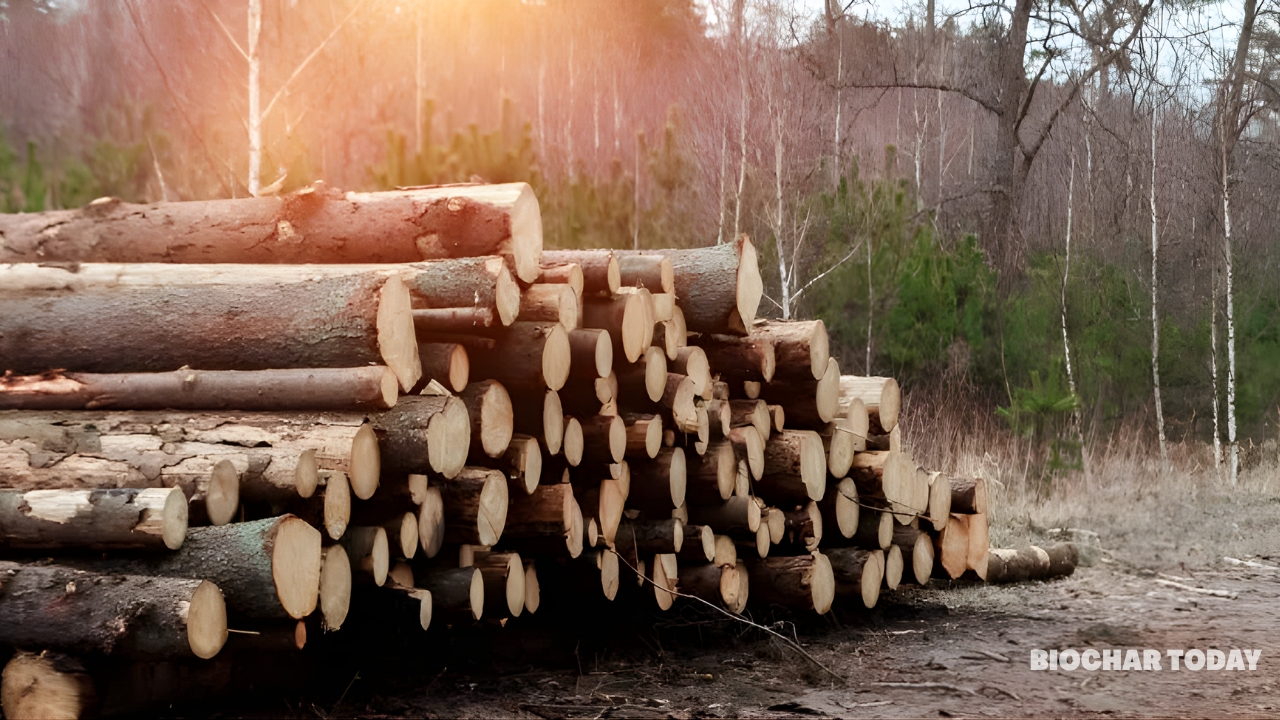
Arsenic pollution is a significant global threat to public health and ecological safety, affecting millions of people through contaminated drinking water and food crops. In a study published in the journal Sustainability, researchers Siyuan Wang, Xiaoxian Yuan, Shifeng Li, Shiji Bie, Yang Zhou, Shuzheng Guo, and Zhipu Wang explored sustainable ways to combat this issue. They focused on transforming reed straw, a common agricultural waste, into biochar. Biochar is a charcoal-like substance created by heating organic material in the absence of oxygen. While standard biochar has some ability to trap pollutants, this team looked at how modifying it with metals like iron and cerium could significantly boost its performance in both water and soil.
The research team found that modifying biochar fundamentally changes its physical and chemical structure. Adding iron or cerium increased the internal surface area of the material by up to thirty-four times compared to plain biochar. This creates a vast network of microscopic pores and chemical landing pads where arsenic can be trapped. In water-based tests, the iron-modified version showed a much higher affinity for the pollutant, achieving a maximum adsorption capacity of over 27 milligrams per gram. This was nearly double the capacity of the cerium-modified version and far superior to the untreated straw charcoalCharcoal is a black, brittle, and porous material produced by heating wood or other organic substances in a low-oxygen environment. It is primarily used as a fuel source for cooking and heating. More. These results suggest that iron creates a more versatile surface for chemical bonding.
When the materials were tested in real soil using ryegrass, the results were even more compelling. The scientists discovered that applying a 5% concentration of iron-modified biochar to contaminated soil reduced the amount of arsenic that plants could actually absorb by more than 63%. This had a direct impact on the safety of the vegetation. The arsenic levels found within the ryegrass itself plummeted by more than 78% when compared to plants grown in untreated, polluted soil. While the cerium-modified biochar also performed well, reducing plant arsenic by 77%, the iron-modified material remained the most effective at lowering the total environmental risk.
The study also highlighted how these treatments improve the overall health of the soil. Adding modified biochar helped balance soil acidity and decreased the concentration of harmful salts. This created a more hospitable environment for the ryegrass, leading to better germination and higher growth rates. By improving the physical properties of the soil while simultaneously locking away toxins, these materials act as both a cleanser and a fertilizer. This dual benefit is essential for restoring farmland that has been degraded by industrial or mining activities, ensuring that the land can once again support healthy, safe crops.
The difference in performance between the two metals comes down to their chemical “toolbox.” The iron-modified biochar utilizes a variety of different iron phases that work together to capture arsenic through complexation and precipitation. In contrast, cerium relies on a more limited chemical pathway. The researchers noted that the iron-based material is not only more effective but also highly sustainable, as it aligns with international goals for responsible consumption and clean water. By turning waste straw into a value-added environmental protector, this technology offers a low-cost, circular-economy solution for regions struggling with heavy metal contamination.
Despite these successes, the authors noted that long-term monitoring is necessary. Because biochar is difficult to remove once it is mixed into a field, it is vital to ensure the arsenic stays locked away for years rather than months. Future research will likely focus on the long-term stability of these bonds and the development of magnetic versions of the biochar that could be easily recovered from water. For now, the study provides a clear roadmap for using engineered waste products to protect the food chain from one of the world’s most dangerous elements. This approach transforms a local waste problem into a global environmental solution.
Source: Wang, S., Yuan, X., Li, S., Bie, S., Zhou, Y., Guo, S., & Wang, Z. (2026). A comparative study on the sustainable remediation of arsenic pollution in water and soil using iron-modified and cerium-modified biochar. Sustainability, 18(6), 2873.



Leave a Reply