
Key Takeaways
- Farming soil can be treated with iron-enriched charcoalCharcoal is a black, brittle, and porous material produced by heating wood or other organic substances in a low-oxygen environment. It is primarily used as a fuel source for cooking and heating. More to capture toxic heavy metals like lead and cadmium, keeping them out of our food supply.
- This modified charcoal helps agricultural soil hold onto vital nutrients, reducing the fertilizer runoff that pollutes lakes and rivers.
- Using this material can significantly decrease harmful greenhouse gas emissions from farmland, making it a powerful tool against climate change.
- The technology recycles billions of tons of agricultural waste and industrial byproducts, supporting a cleaner and more sustainable environment.
The global agricultural system faces a dual challenge of feeding an expanding population while minimizing severe environmental degradation. Traditional intensive farming relies heavily on synthetic inputs, which inadvertently release enormous amounts of nitrogen and phosphorus into aquatic ecosystems every year. This nutrient surplus drives widespread water pollution, causing massive toxic algal blooms and creating extensive dead zones in major bodies of water globally. Concurrently, agricultural lands suffer from widespread heavy metal contamination stemming from industrial pollution and chemical fertilizers. These toxic metals degrade soil quality, diminish crop yields, and threaten human health by entering the food chain. While conventional remediation methods exist, they often prove too expensive to implement at a large scale or fail to address multiple contaminants simultaneously.
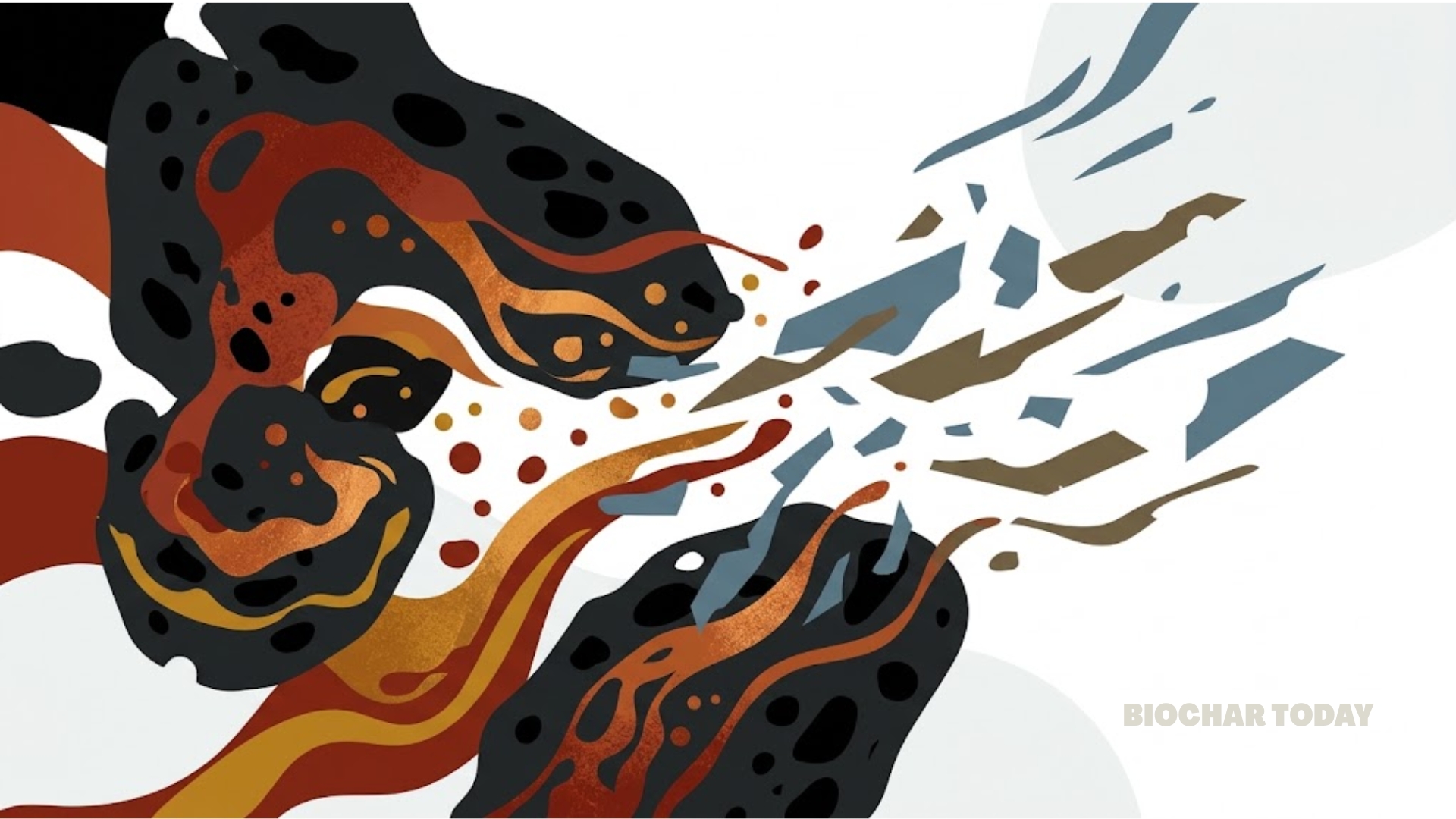
Engineered iron-enriched biocharBiochar is a carbon-rich material created from biomass decomposition in low-oxygen conditions. It has important applications in environmental remediation, soil improvement, agriculture, carbon sequestration, energy storage, and sustainable materials, promoting efficiency and reducing waste in various contexts while addressing climate change challenges. More has emerged as a multifunctional material capable of tackling these complex pollution issues at a single platform. This carbon-rich substance is produced by introducing iron into organic waste materials before or after a high-temperature baking process known as pyrolysisPyrolysis is a thermochemical process that converts waste biomass into bio-char, bio-oil, and pyro-gas. It offers significant advantages in waste valorization, turning low-value materials into economically valuable resources. Its versatility allows for tailored products based on operational conditions, presenting itself as a cost-effective and efficient More. The resulting hybrid material retains the highly porous structure and immense surface area of natural charcoal while gaining the powerful chemical reactivity of iron. By combining these structural properties, the engineered material acts like a sponge and a chemical filter. It binds tightly to various types of pollutants, preventing them from washing away into surrounding land and water ecosystems or being absorbed by growing crops.
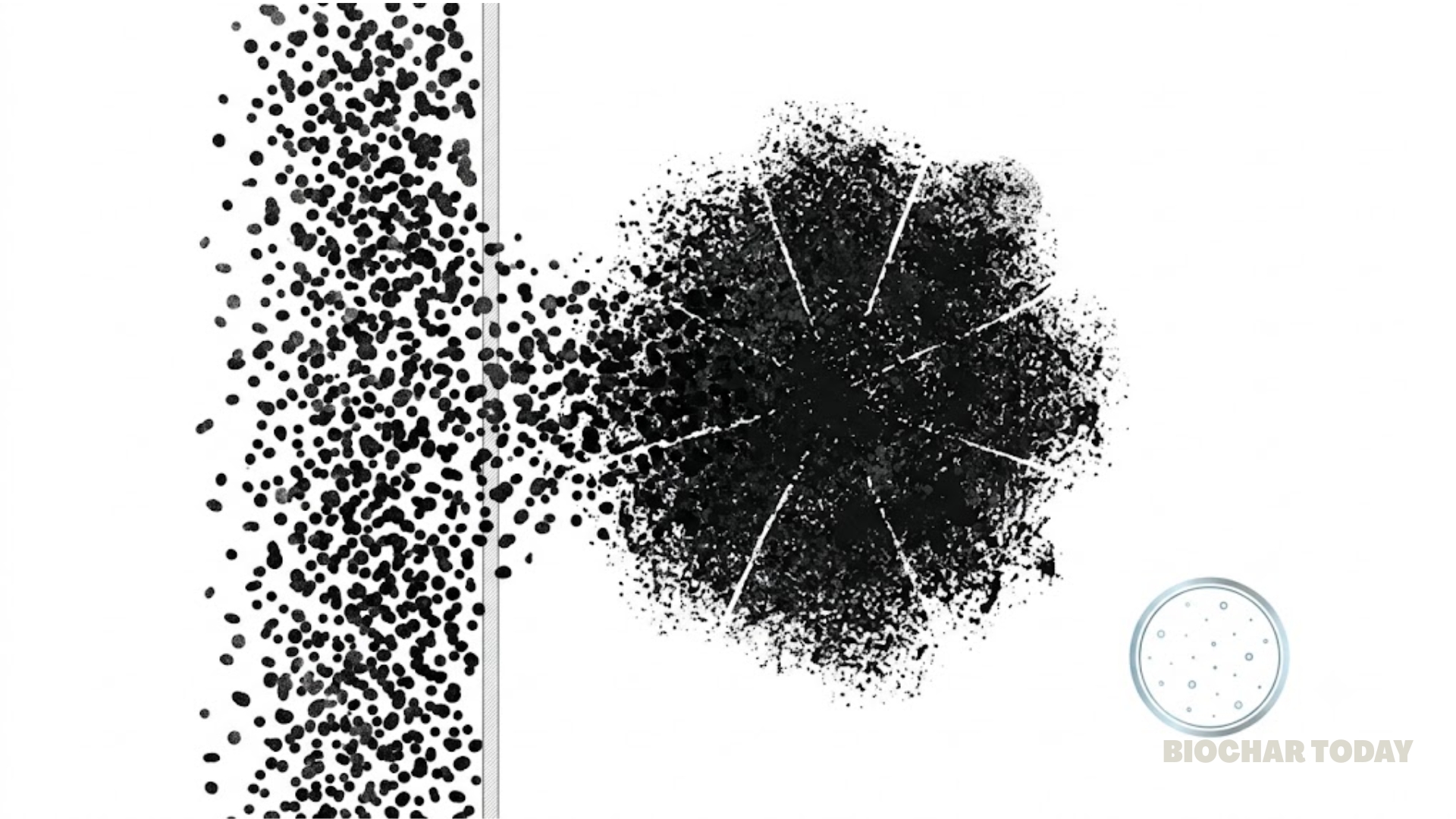
Large-scale agricultural evaluations demonstrate that applying this material significantly enhances both environmental quality and crop productivity. When mixed into farming soils, it reduces the amount of toxic metals absorbed by crops, successfully bringing contaminant levels in edible plant parts safely below international limits. Beyond capturing toxins, it dramatically improves nutrient retention in the root zone. The iron coatings capture essential elements like phosphorus and nitrogen, preventing them from leachingLeaching is the process where nutrients are dissolved and carried away from the soil by water. This can lead to nutrient depletion and environmental pollution. Biochar can help reduce leaching by improving nutrient retention in the soil. More into groundwater or running off into local streams. Instead, the material holds these nutrients tightly and releases them gradually over several months, syncing perfectly with the natural uptake demand of annual crops. This slow-release behavior increases overall fertilizer efficiency, allowing farmers to reduce synthetic fertilizer use by up to thirty percent without experiencing any drop in food production.
In addition to restoring soil health and safeguarding water quality, this technology delivers substantial climate change mitigation benefits. Farmland treated with the material exhibits a major drop in greenhouse gas emissions, cutting nitrous oxide and methane releases significantly. It locks carbon away securely in the soil for centuries, preventing it from re-entering the atmosphere as carbon dioxide. Furthermore, the entire manufacturing process aligns with circular economy principles by transforming billions of tons of underutilized agricultural residues and industrial iron wastes into a high-value environmental asset. While challenges such as optimizing production costs and establishing global quality standards remain, this sustainable approach effectively bridges the gap between agricultural productivity and environmental restoration.
Source: Islam, S. (2026). Agricultural pollution mitigation using iron-enriched biochar. Journal of Hazardous Materials Advances, 23, 101258.



Leave a Reply