

IPB University, in collaboration with Dutch academic and vocational partners under the Netherlands Knowledge House (NLKH)—including Saxion University of Applied Sciences and Q-Point—alongside PT East West Seed Indonesia (EWINDO), Yayasan Bina Tani Sejahtera (YBTS), and local shallot farmers’ associations, organized a knowledge-transfer forum and evaluation initiative in Cirebon, Indonesia. The consortium convened to advance regenerative agriculture practices by deploying biocharBiochar is a carbon-rich material created from biomass decomposition in low-oxygen conditions. It has important applications in environmental remediation, soil improvement, agriculture, carbon sequestration, energy storage, and sustainable materials, promoting efficiency and reducing waste in various contexts while addressing climate change challenges. More and organic compost tea into local shallot cultivation systems. The collaborative effort builds on preliminary agronomic assessments to restore soil health, improve crop resilience, and establish sustainable farming practices across key production zones in West Java.
Shallot cultivation in the Cirebon region faces severe agronomic hurdles caused by intensive farming, land degradation, and heavy reliance on synthetic inputs. Prolonged chemical application has degraded the physical structure of the soil, compromising its capacity to retain essential nutrients and moisture. Furthermore, residual agrochemicals and potential microbial contamination present significant trade barriers that hinder Indonesian shallot exports from meeting strict international food safety standards. Local farmers require sustainable soil amendments capable of rebuilding soil fertility while safeguarding crop health against biological and chemical stress factors.
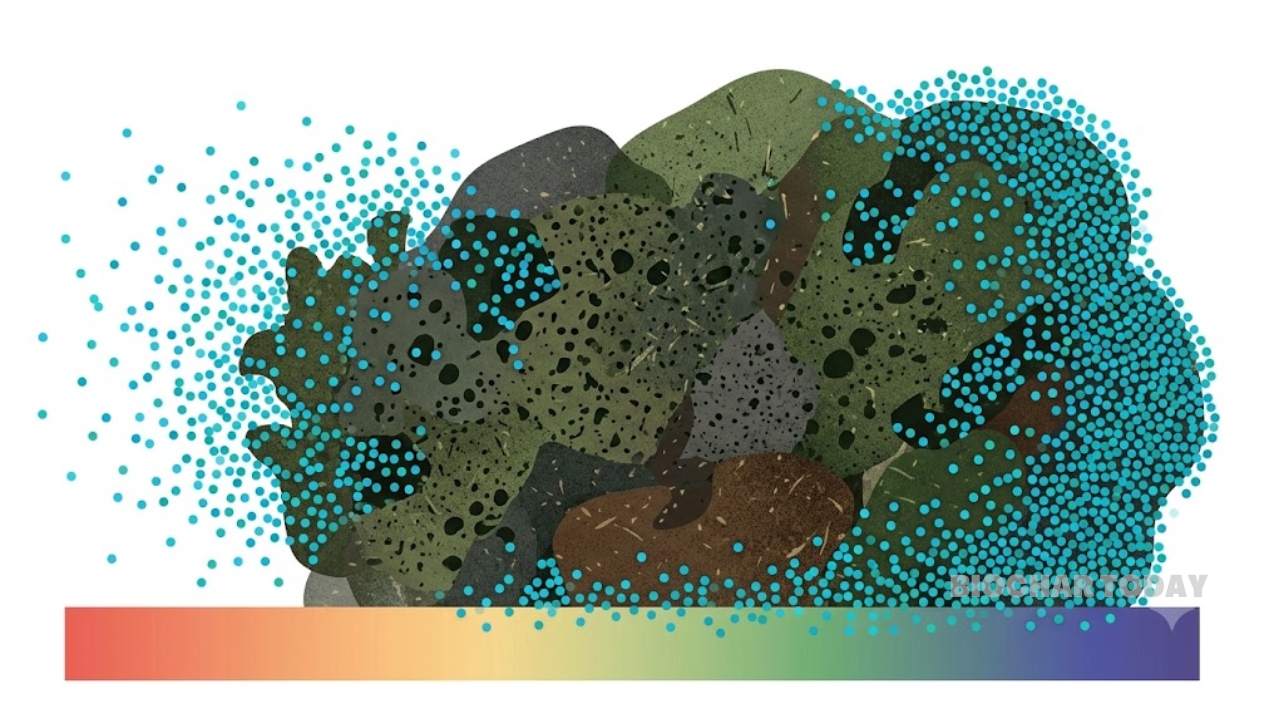
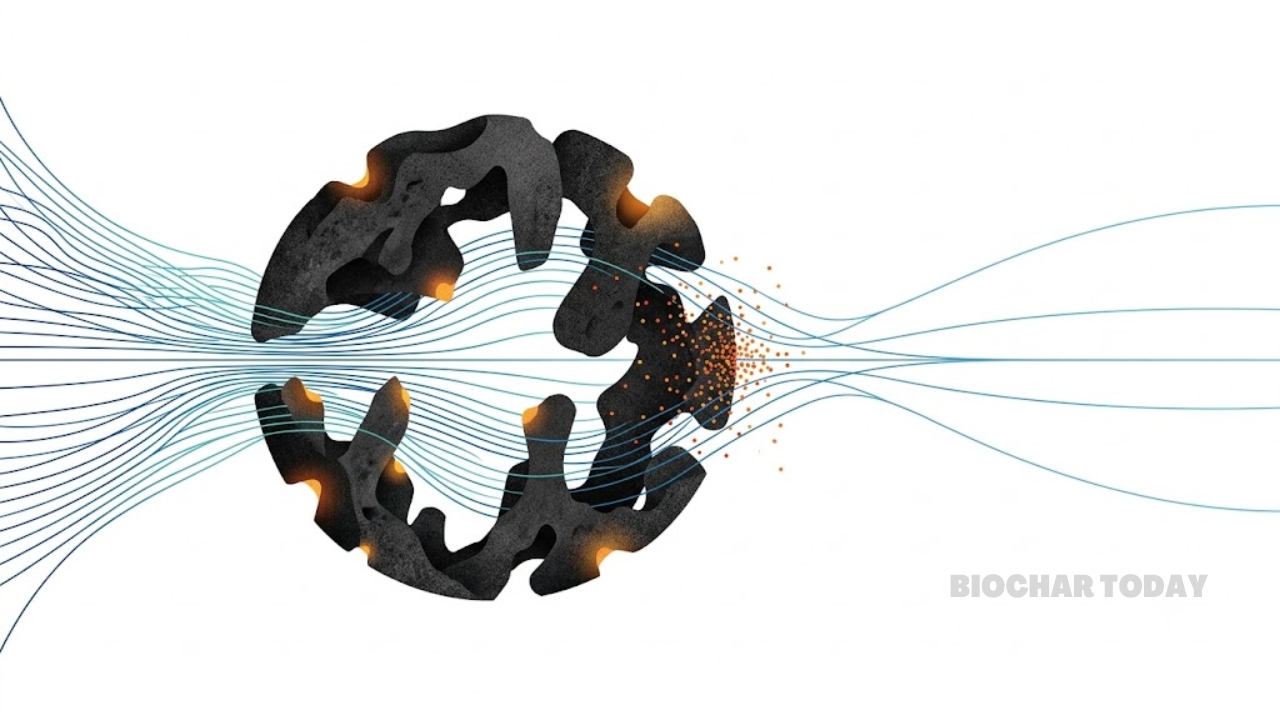
To address soil degradation and international export compliance issues, the multi-stakeholder partnership introduced a joint regenerative framework centered on biochar and organic compost tea applications. During technical knowledge-transfer sessions, academic and industry experts provided guidance on biochar dynamics, focusing on its structural stability, high porosityPorosity of biochar is a key factor in its effectiveness as a soil amendment and its ability to retain water and nutrients. Biochar’s porosity is influenced by feedstock type and pyrolysis temperature, and it plays a crucial role in microbial activity and overall soil health. Biochar More, and ability to enhance nutrient sorption and water retention capacity in degraded agricultural soils. By pairing biochar with microbial-rich compost tea, the project aims to accelerate biological soil recovery and reduce reliance on synthetic fertilizers.
The consortium agreed to expand the initiative into a second planting season trial covering three designated field sites spanning roughly 300 square meters, with structured monitoring planned through November. Under this operational agreement, EWINDO will supply true shallot seed varieties, IPB University will formulate the specialized compost tea, and IPB University alongside YBTS and local farmers will manage on-site biochar preparation and application. The initiative also included field visits to IPB University’s Agribusiness and Technology Park and EWINDO’s Onion House to reinforce modern regenerative farming techniques among regional stakeholders.


Leave a Reply