
Key Takeaways
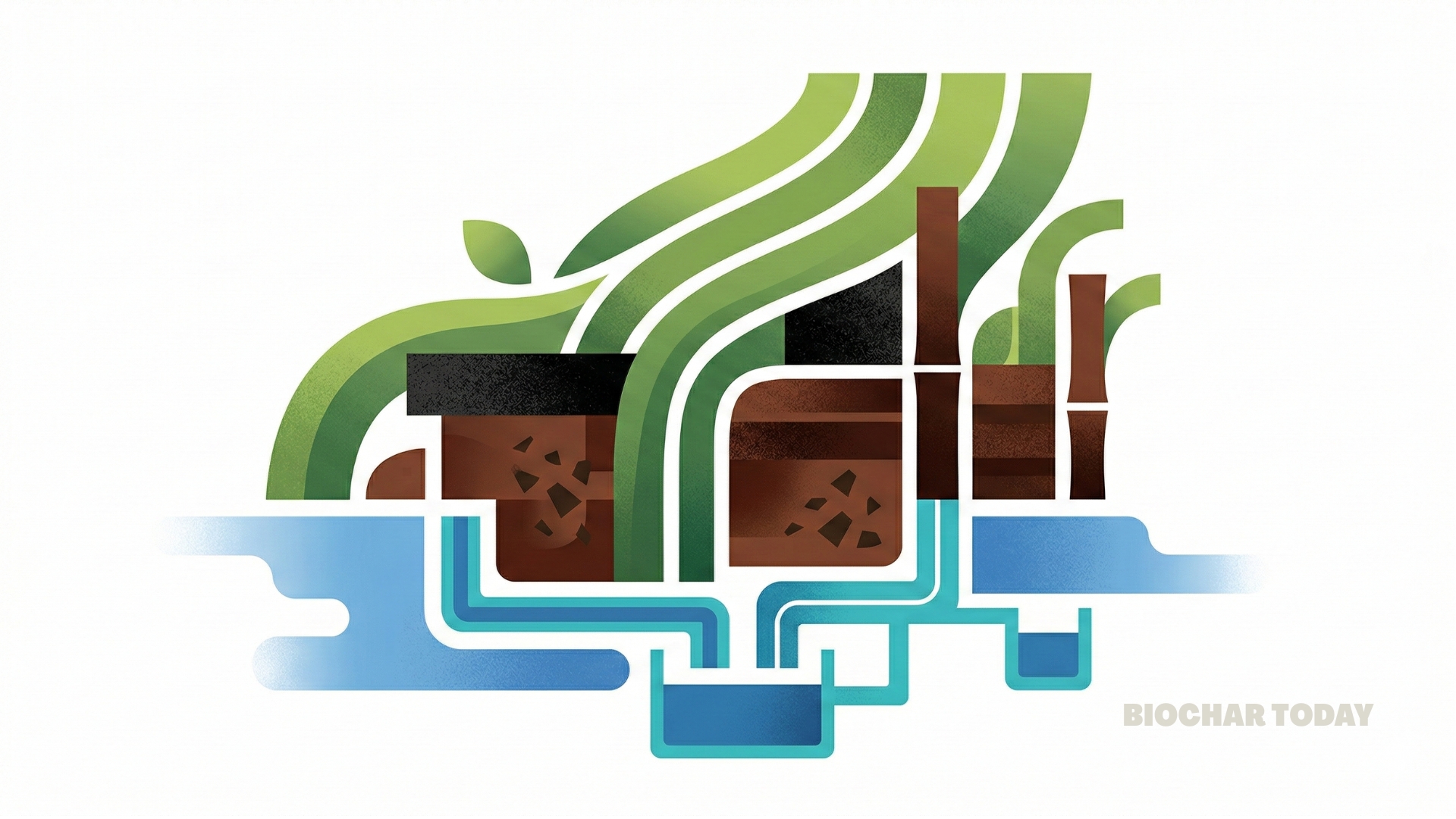
- Using a controlled water management system combined with biocharBiochar is a carbon-rich material created from biomass decomposition in low-oxygen conditions. It has important applications in environmental remediation, soil improvement, agriculture, carbon sequestration, energy storage, and sustainable materials, promoting efficiency and reducing waste in various contexts while addressing climate change challenges. More made from sugarcane waste significantly lowers the amount of water needed to grow crops.
- This specific combination helps plants grow larger and heavier by providing a more stable environment for their roots.
- The use of this charcoalCharcoal is a black, brittle, and porous material produced by heating wood or other organic substances in a low-oxygen environment. It is primarily used as a fuel source for cooking and heating. More material helps the soil hold onto important nutrients like nitrogen and phosphorus so they do not wash away into the groundwater.
- This method allows farmers to safely and more effectively use recycled municipal wastewater for irrigation without harming the environment.
- Implementing these changes results in nearly double the efficiency of water use compared to standard farming drainage practices.
The recent study published as a Research Square preprint by Tohid Balouchi Anaraki, Mohammad Shayannejad, Ali Reza Mokhtari, Mehdi Gheysari, Hamid Reza Eshghizadeh, and Kaveh Ostad-Ali-Askari explores the intersection of waste management and water conservation. The research team from the Isfahan University of Technology investigated how sugarcane bagasse and its thermal byproduct, biochar, influence soil health and crop productivity when paired with different drainage strategies. By utilizing municipal wastewater for irrigation, the researchers addressed the dual challenge of resource scarcity and environmental protection. Their findings suggest that the physical properties of the soil can be fundamentally improved through these organic amendments, creating a more resilient agricultural system that thrives even when water resources are managed strictly.
The primary results of this investigation highlight a significant improvement in how plants interact with their environment when the drainage of the field is regulated. In traditional free drainage systems, water and dissolved nutrients often move too quickly through the soil profile, escaping the reach of plant roots and entering the deeper groundwater. However, by maintaining a managed water table, the researchers observed a dramatic shift in water dynamics. This controlled approach allowed for a substantial reduction in the total volume of water required to sustain the chlorda plant. Specifically, the integration of controlled drainage led to a more efficient use of the water already present in the soil profile through capillary action, which draws moisture upward toward the root zone.
The application of biochar derived from sugarcane bagasse proved to be a critical component in enhancing the performance of the controlled drainage system. Biochar is characterized by a high degree of porosityPorosity of biochar is a key factor in its effectiveness as a soil amendment and its ability to retain water and nutrients. Biochar’s porosity is influenced by feedstock type and pyrolysis temperature, and it plays a crucial role in microbial activity and overall soil health. Biochar More and a large internal surface area, which allows it to act like a sponge within the soil matrix. The data indicated that at a concentration of 1.32 percent, the biochar significantly increased the soil’s ability to retain moisture and essential minerals. This physical change in the soil structure meant that the chlorda plants had access to a steady supply of nutrients over a longer period. The research measured a marked increase in the absorption of nitrate and phosphate, which are vital for plant development but frequently lost in conventional farming. By capturing these elements within the root zone, the biochar ensured that the plants could reach their full biological potential.
The quantitative outcomes regarding plant growth were particularly notable, showing that the combination of controlled drainage and the highest level of biochar application resulted in a 26.2 percent increase in the dry weight of the crops. This increase in biomassBiomass is a complex biological organic or non-organic solid product derived from living or recently living organism and available naturally. Various types of wastes such as animal manure, waste paper, sludge and many industrial wastes are also treated as biomass because like natural biomass these More suggests that the plants were under less physiological stress and had better access to the resources necessary for photosynthesis and structural growth. Furthermore, the efficiency of water use was nearly doubled in these optimized conditions. Such a high level of water productivity is a vital metric for modern agriculture, especially in arid and semi-arid regions where every drop of water must be accounted for. The ability to produce more food with less water represents a major advancement in sustainable cultivation techniques.
Beyond the immediate benefits to crop yield, the study documented a significant reduction in environmental contamination. Because the controlled drainage system reduced the total volume of water exiting the field by over 31 percent, the total mass of solutes leached into the environment was lowered. This is especially important when using municipal wastewater for irrigation, as it prevents the potential buildup of salts and other pollutants in the broader ecosystem. The biochar functioned effectively as a secondary barrier, further trapping chemicals that would otherwise be carried away. This dual-layered protection strategy demonstrates that it is possible to use non-traditional water sources for farming while simultaneously protecting the integrity of local water tables and surrounding habitats.
The findings provide a clear roadmap for improving agricultural sustainability through the intelligent use of industrial byproducts and water management technology. By converting sugarcane waste into a high-value soil amendmentA soil amendment is any material added to the soil to enhance its physical or chemical properties, improving its suitability for plant growth. Biochar is considered a soil amendment as it can improve soil structure, water retention, nutrient availability, and microbial activity. More and moving away from unrestricted drainage, producers can achieve better harvests while consuming fewer natural resources. This research underscores the importance of looking at the agricultural environment as a holistic system where soil additives and water infrastructure work in tandem. The results from the Isfahan University of Technology serve as a compelling case for the wider adoption of biochar and controlled drainage as standard practices in global efforts to ensure food and water security.
Source: Anaraki, T. B., Shayannejad, M., Mokhtari, A. R., Gheysari, M., Eshghizadeh, H. R., & Ostad-Ali-Askari, K. (2026). Effect of bagasse and its biochar under controlled and free drainage conditions and irrigation with municipal wastewater on leachingLeaching is the process where nutrients are dissolved and carried away from the soil by water. This can lead to nutrient depletion and environmental pollution. Biochar can help reduce leaching by improving nutrient retention in the soil. More of solutes and water uptake by chlorda plant. Research Square.




Leave a Reply