
Key Takeaways
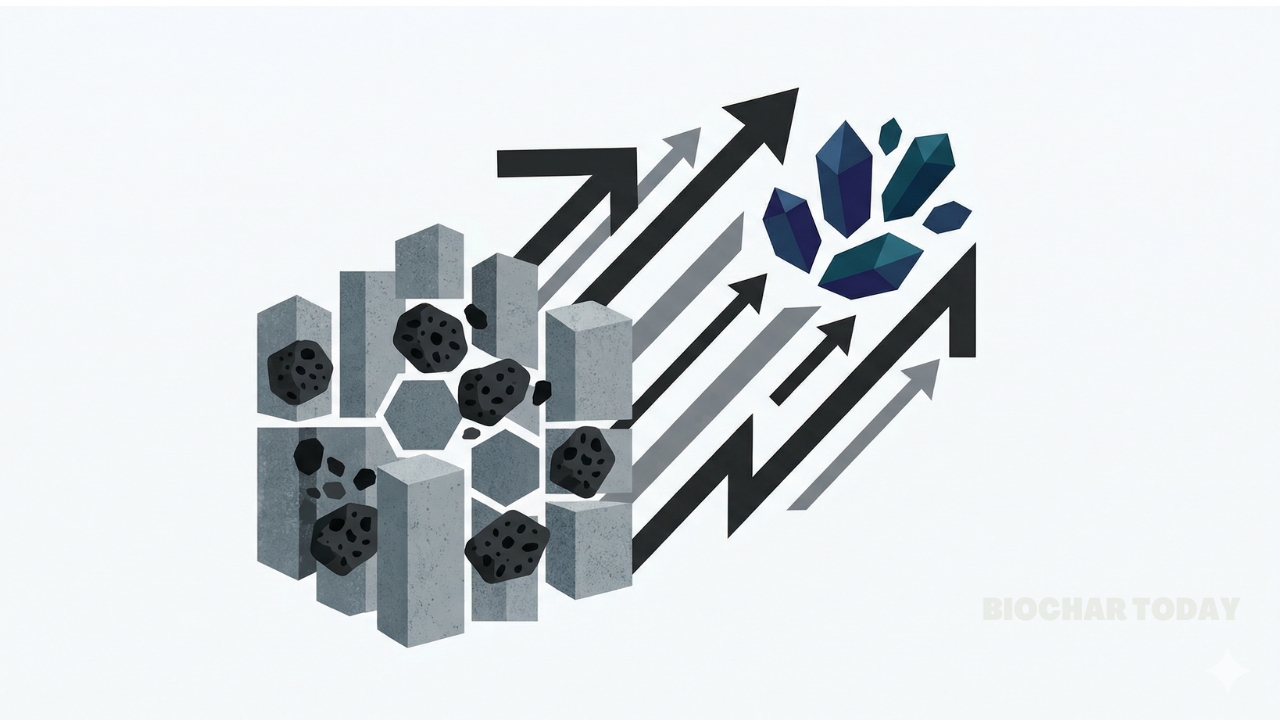
- Adding biocharBiochar is a carbon-rich material created from biomass decomposition in low-oxygen conditions. It has important applications in environmental remediation, soil improvement, agriculture, carbon sequestration, energy storage, and sustainable materials, promoting efficiency and reducing waste in various contexts while addressing climate change challenges. More to concrete can make the material up to forty percent stronger.
- Buildings made with biochar act as permanent storage units for greenhouse gases.
- Biochar helps concrete stay moist on the inside which improves its long-term durability.
- Using biochar in construction reduces the heavy carbon footprint of the cement industry.
- This material is created from recycled plant waste making it an eco-friendly building choice.
The global construction industry is currently facing a significant challenge as it seeks to reduce its massive environmental footprint. A major part of this issue stems from the production of Portland cement, which is responsible for approximately eight percent of global carbon dioxide emissions. In a comprehensive review published in the journal Cement and Concrete Composites, lead author Sachini Supunsala Senadheera and a team of international researchers explore how biochar can transform the way we build. Biocharis historically used to improve soil health in farming, this material is proving to be a revolutionary additive for modern construction.
The primary benefit of incorporating biochar into cement mixtures is its ability to act as a carbon sink. Unlike traditional steel or concrete, which release greenhouse gases during their creation, biochar-infused materials actually trap carbon within the structure of a building for decades. Research indicates that one ton of biochar can sequester more than two and a half tons of carbon dioxide equivalent. This occurs because biochar is exceptionally porous, allowing it to adsorb gas and store it permanently within the hardened concrete matrix. By replacing a small portion of traditional cement with this bio-based material, the construction industry can move closer to achieving carbon neutrality while simultaneously managing organic waste more effectively.
Beyond its environmental advantages, biochar significantly improves the physical and mechanical properties of concrete. The study highlights that when used in the correct proportions, typically around two to five percent of the cement weight, biochar can enhance the compressive strength of the material by up to forty percent. This strength boost is largely due to the internal curing process provided by the biochar particles. Because biochar is highly porous, it acts like a tiny reservoir that absorbs water during the initial mixing phase. As the concrete begins to harden and dry out, the biochar slowly releases this stored moisture back into the surrounding paste. This consistent hydration leads to a denser, more durable final product with fewer internal cracks.
The porous nature of biochar also offers functional benefits for the inhabitants of buildings. The material improves thermal insulation and humidity control, which can lead to better energy efficiency in homes and offices. However, the researchers note that the amount of biochar used must be carefully controlled. If the replacement rate exceeds five percent, the high water demand of the biochar can actually make the wet concrete too stiff to work with and may eventually lead to a reduction in overall strength. When balanced correctly, the combination of biochar and cement creates a high-performance composite that is lighter and more resilient than standard mixes.
As the world continues to urbanize and the demand for housing grows, the need for sustainable building materials becomes more urgent. The integration of biochar into the construction process represents a cost-effective and scalable technology for climate change mitigation. It offers a multi-pronged solution by recycling waste, strengthening infrastructure, and removing pollutants from the atmosphere. By viewing buildings as potential tools for carbon capture rather than just sources of emissions, engineers and architects can utilize biochar to create a more resilient and sustainable built environment for future generations.
Source: Senadheera, S. S., Kim, S., Tsang, D. C. W., Gupta, S., Kua, H. W., Hou, D., & Ok, Y. S. (2023). Application of biochar in concrete – A review. Cement and Concrete Composites, 143, 105204.



Leave a Reply