
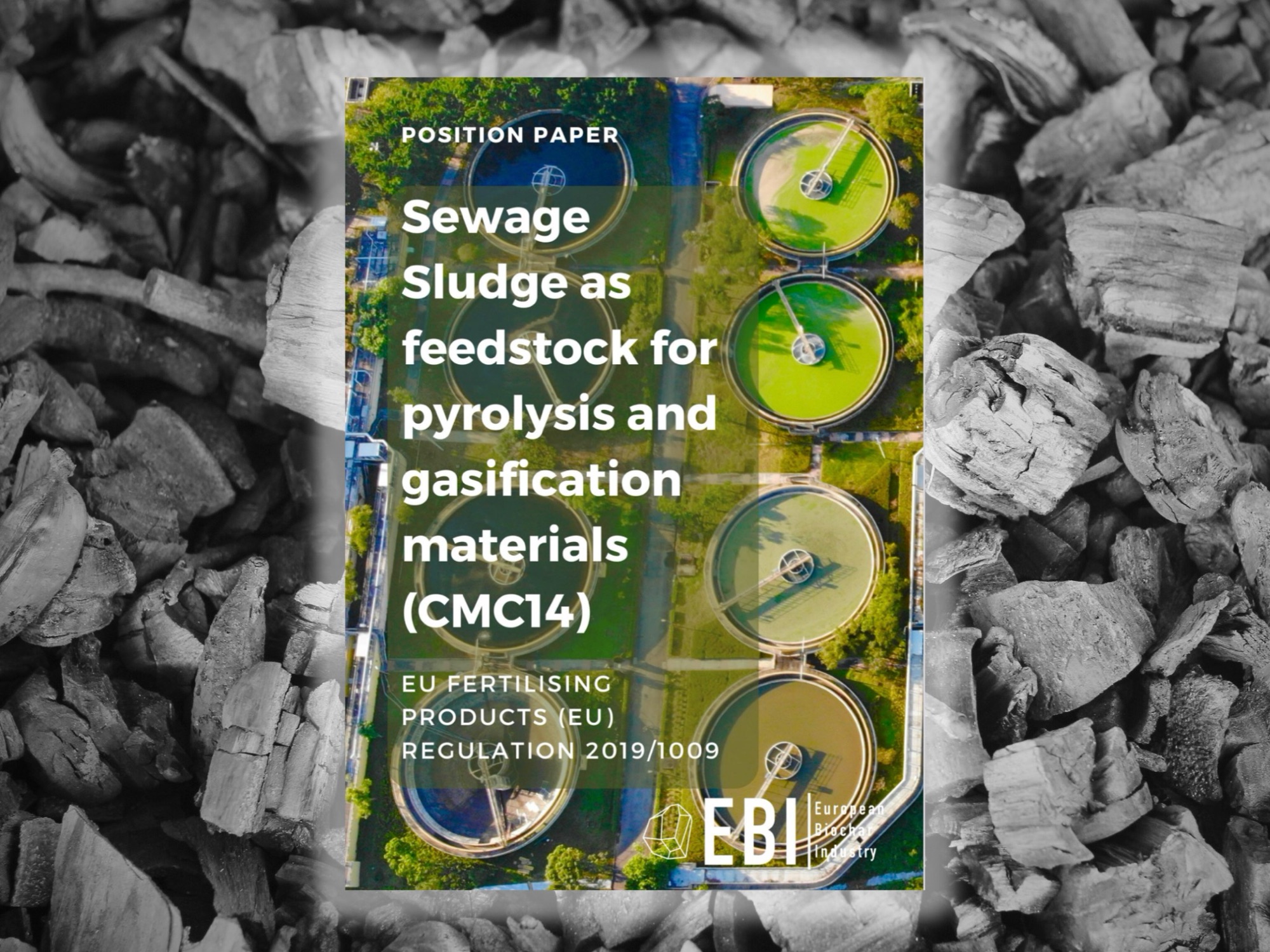
In the latest release from the Environment and Business Institute (EBI), the comprehensive position paper on sewage sludge management offers an extensive overview of current practices, challenges, and future directions in sludge treatment and disposal. This analysis serves to enlighten stakeholders, including regulatory bodies, environmental organizations, and industry leaders, about the multifaceted dimensions of sewage sludge and the imperative for progressive policies to enhance environmental protection and economic efficiency.
Overview of Sewage Sludge
Sewage sludge is a byproduct of the wastewater treatment process. As wastewater undergoes various treatment phases to remove contaminants, solids, and impurities, sludge accumulates as a residual semi-solid material rich in organic matter, nutrients, and sometimes pathogens and chemical contaminants. The management of this sludge poses significant environmental and health challenges due to its complex composition.
Current Management Practices
The paper delineates the primary methods currently employed for sewage sludge management, which include anaerobic digestion, composting, landfilling, incineration, and land application. Each method offers distinct advantages and disadvantages:
- Anaerobic Digestion: This process biologically breaks down organic materials in the absence of oxygen, reducing volume and producing biogas, which can be used to generate energy. However, the digestate needs further treatment.
- Composting: Composting promotes organic decay through aerobic processes, transforming sludge into stable soil amendments. However, it requires significant space and monitoring to ensure hygienic safety.
- Landfilling: Simple and initially economical, landfilling entails burying sludge in designated sites. This method poses long-term risks such as leachate formation and potential groundwater contamination.
- Incineration: Burning sludge at high temperatures efficiently reduces its volume and destroys organic contaminants. The energy from incineration can be harnessed, although air quality concerns must be managed.
- Land Application: This beneficial reuse involves applying treated sludge as a fertilizer in agriculture due to its nutrient content. Despite its benefits in soil enhancement, the potential for pollutant transfer to crops and water bodies cannot be overlooked.
Challenges Highlighted
The position paper extensively discusses the environmental and health challenges associated with each sludge management strategy. A significant concern across all methods is the potential for pollutant release, whether through leachate, air emissions, or direct land application, which can introduce heavy metals, pathogens, and emerging contaminants like pharmaceuticals into the environment.
Another critical issue is public perception and regulatory standards, which can significantly influence the choice and implementation of management strategies. The variability in regional and national regulations regarding sludge treatment and disposal often complicates compliance and operational efficiency for wastewater treatment facilities.
Future Directions
Looking forward, the EBI emphasizes the need for innovative and sustainable management strategies that not only mitigate adverse environmental impacts but also recover resources to foster a circular economy. The paper advocates for the following strategic directions:
- Enhanced Treatment Technologies: Developing and deploying advanced treatment methods that reduce pollutants in sludge to safe levels before disposal or reuse is critical. Technologies like pyrolysisPyrolysis is a thermochemical process that converts waste biomass into bio-char, bio-oil, and pyro-gas. It offers significant advantages in waste valorization, turning low-value materials into economically valuable resources. Its versatility allows for tailored products based on operational conditions, presenting itself as a cost-effective and efficient More and gasificationGasification is a high-temperature, thermochemical process that converts carbon-based materials into a gaseous fuel called syngas and solid by-products. It takes place in an oxygen-deficient environment at temperatures typically above 750°C. Unlike combustion, which fully burns material to produce heat and carbon dioxide (CO2), gasification More can potentially transform sludge into clean energy and biocharBiochar is a carbon-rich material created from biomass decomposition in low-oxygen conditions. It has important applications in environmental remediation, soil improvement, agriculture, carbon sequestration, energy storage, and sustainable materials, promoting efficiency and reducing waste in various contexts while addressing climate change challenges. More, a stable carbon-rich product.
- Regulatory Reform: The paper calls for a harmonization of regulations both nationally and internationally to establish clear, stringent standards for sludge management that protect human health and the environment while enabling efficient industry practices.
- Public Engagement and Education: Improving public perception of sludge-based products through transparent communication and education campaigns is vital. Demonstrating the benefits and safety of these products can encourage wider acceptance and utilization.
- Resource Recovery: There is a significant push towards resource recovery practices, such as phosphorus recovery from sludge, which is essential for sustainable agriculture. The implementation of technologies to extract usable water, nutrients, and energy from sludge aligns with global sustainability goals.
Conclusion
The EBI’s position paper on sewage sludge management meticulously outlines the complexities and necessities of handling this inevitable byproduct of wastewater treatment. With the increasing global focus on sustainability and resource efficiency, the wastewater sector is urged to adopt more innovative and environmentally sound practices that will reduce the ecological footprint of sewage sludge management while promoting public health and economic benefits.
In conclusion, the paper not only provides a framework for understanding the current landscape and challenges but also sets forth a vision for the future where sewage sludge management is integral to environmental strategy and resource sustainability. Stakeholders are encouraged to collaborate in reforming policies, enhancing technologies, and educating the public to achieve these goals effectively. The position articulated by the EBI serves as a valuable guide for advancing towards a more sustainable and resource-efficient approach to sewage sludge management.




Leave a Reply