

Latin America faces a significant challenge: managing its ever-growing waste stream. With over 540,000 tons of municipal waste produced daily, finding sustainable solutions is crucial. One promising approach lies in pyrolysisPyrolysis is a thermochemical process that converts waste biomass into bio-char, bio-oil, and pyro-gas. It offers significant advantages in waste valorization, turning low-value materials into economically valuable resources. Its versatility allows for tailored products based on operational conditions, presenting itself as a cost-effective and efficient More, a thermal process that converts waste materials into valuable resources like biocharBiochar is a carbon-rich material created from biomass decomposition in low-oxygen conditions. It has important applications in environmental remediation, soil improvement, agriculture, carbon sequestration, energy storage, and sustainable materials, promoting efficiency and reducing waste in various contexts while addressing climate change challenges. More.
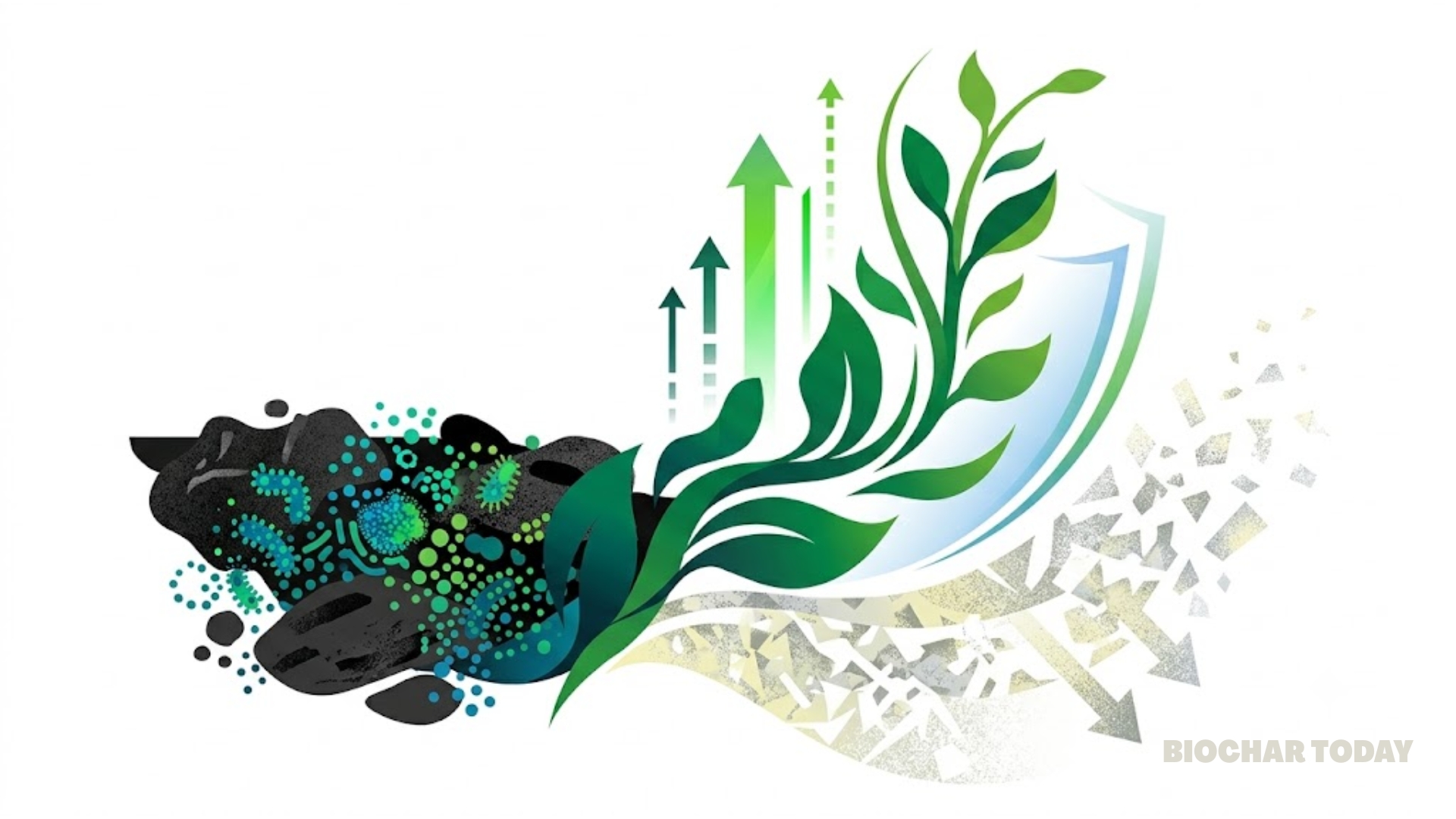
Biochar, a charcoal-like substance derived from organic matter like sewage sludge, has emerged as a game-changer for agriculture. When added to soil, biochar enhances fertility by improving water retention, nutrient availability, and soil structure. This leads to increased crop yields and reduces reliance on chemical fertilizers, promoting a more sustainable farming practices.
Researchers in Latin America are actively exploring the potential of pyrolysis for waste management and agricultural improvement. Marcela Ulloa-Murillo, a dedicated PhD student, is focusing on applying pyrolysis to sewage sludge treatment. Her work aims to convert this hazardous waste into biochar, providing a valuable soil amendmentA soil amendment is any material added to the soil to enhance its physical or chemical properties, improving its suitability for plant growth. Biochar is considered a soil amendment as it can improve soil structure, water retention, nutrient availability, and microbial activity. More while addressing a major environmental concern.
Another researcher, Sara de Jesús Duarte, is working directly with farmers in Mexico to test the effectiveness of biochar on soil fertility. Initial results have been promising, with biochar-treated soils showing significant improvements in water holding capacityWater holding capacity is the amount of water that soil can retain. Biochar can significantly increase the water holding capacity of soil, improving its ability to withstand drought conditions and support plant growth. More and crop yields.
The application of pyrolysis for sustainable agriculture in Latin America holds immense potential. It offers a two-pronged solution: tackling waste management issues and promoting environmentally friendly farming practices. By turning waste into wealth, pyrolysis can contribute to a more sustainable and prosperous future for Latin American agriculture.
Benefits of Pyrolysis for Sustainable Agriculture
- Reduces waste: Converts waste materials like sewage sludge into valuable resources like biochar.
- Improves soil fertility: Biochar enhances water retention, nutrient availability, and soil structure.
- Increases crop yields: Farmers using biochar experience higher yields with reduced reliance on chemical fertilizers.
- Promotes environmental sustainability: Reduces pollution and conserves resources by diverting waste from landfills.
The Future of Pyrolysis in Latin America
With ongoing research and development, pyrolysis is poised to play a significant role in transforming Latin American agriculture. As farmers and policymakers recognize the benefits of this technology, its adoption is expected to rise, paving the way for a more sustainable and resilient food system.
READ MORE: Turning Waste into Wealth: The Application of Pyrolysis for Sustainable Agriculture in Latin America




Leave a Reply