
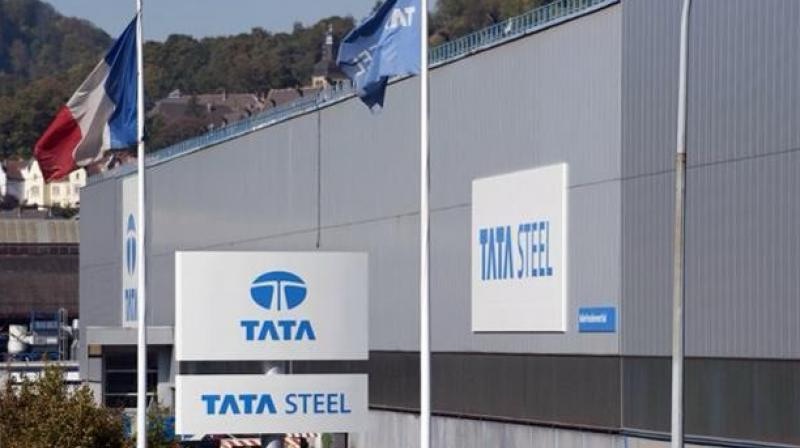
Tata Steel has taken a significant step towards sustainable steelmaking by incorporating biocharBiochar is a carbon-rich material created from biomass decomposition in low-oxygen conditions. It has important applications in environmental remediation, soil improvement, agriculture, carbon sequestration, energy storage, and sustainable materials, promoting efficiency and reducing waste in various contexts while addressing climate change challenges. More, a biomass-based charcoalCharcoal is a black, brittle, and porous material produced by heating wood or other organic substances in a low-oxygen environment. It is primarily used as a fuel source for cooking and heating. More, at its Jamshedpur plant. This initiative aligns with the company’s goal of achieving Net Zero carbon emissions by 2045.
Since January 2023, Tata Steel has replaced around 30,000 tonnes of fossil fuels with biochar, reducing over 50,000 tonnes of carbon dioxide emissions annually. This move enhances energy efficiency by partially substituting pulverized coal injection in blast furnaces. The technology has been successfully implemented in furnaces with capacities exceeding 3000 m³ and daily outputs of over 9000 tonnes—marking a first in India.
According to Rajiv Mangal, VP of Safety, Health & Sustainability at Tata Steel, this advancement showcases the potential for alternative fuels in steelmaking while serving as a model for the Indian steel industry. Following the success in one furnace, Tata Steel has expanded the biochar program to three more at Jamshedpur, with plans to roll it out at other sites.
Tata Steel also explored biomassBiomass is a complex biological organic or non-organic solid product derived from living or recently living organism and available naturally. Various types of wastes such as animal manure, waste paper, sludge and many industrial wastes are also treated as biomass because like natural biomass these More use at its ferrochrome plant in Odisha, becoming the first in India to trial this sustainable alternative. Beyond biochar, the company has adopted renewable energy solutions like solar power and biofuels in shipping to reduce its carbon footprint.
Recognized as a Steel Sustainability Champion 2024 by worldsteel, Tata Steel leads sustainability efforts in India, with 90% of its production now from ResponsibleSteel-certified sites, including its pioneering Jamshedpur plant.
LEARN MORE: Tata Steel has a new first to its credit





Leave a Reply