
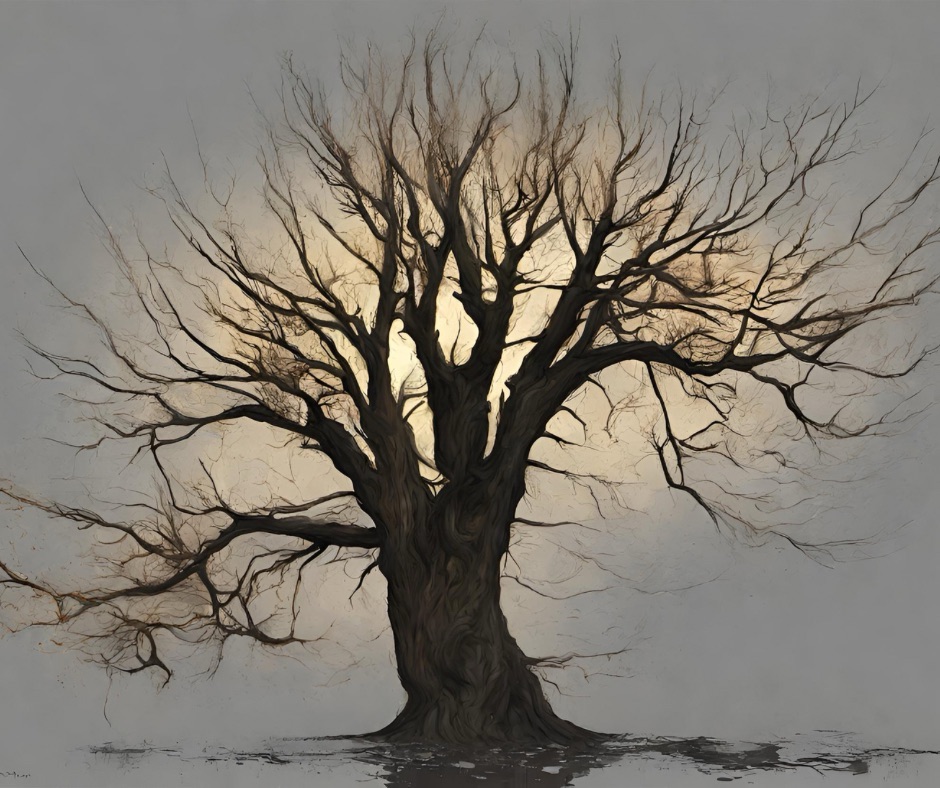
AshAsh is the non-combustible inorganic residue that remains after organic matter, like wood or biomass, is completely burned. It consists mainly of minerals and is different from biochar, which is produced through incomplete combustion. Ash Ash is the residue that remains after the complete More trees, a keystone species in the UK’s ecosystems, are facing a devastating threat: ash dieback, a fungal disease that could wipe out up to 80% of the population. But a beacon of hope emerges in the form of a biocharBiochar is a carbon-rich material created from biomass decomposition in low-oxygen conditions. It has important applications in environmental remediation, soil improvement, agriculture, carbon sequestration, energy storage, and sustainable materials, promoting efficiency and reducing waste in various contexts while addressing climate change challenges. More initiative spearheaded by a determined start-up company: Earthly Biochar.
This initiative hinges on the potential of biochar to revitalize soil and bolster plant health. The plan is simple yet ambitious: enlist the public in identifying and treating ash trees with biochar. By nurturing the soil around these majestic trees, the initiative hopes to create a haven where they can resist the fungal onslaught.
The implications stretch far beyond individual ash trees. These giants provide crucial habitat for numerous species, from birds and insects to fungi and mammals. Their loss would trigger a domino effect, disrupting the delicate web of life in UK’s woodlands.
The biochar initiative presents a unique opportunity to combat this ecological crisis. By harnessing the power of biochar and public participation, it offers a glimmer of hope for the ash trees and the vibrant ecosystems they sustain.

READ MORE
Biochar initiative spearheads 125M ash tree rescue (Jim Miller, The Scottish Farmer)


Leave a Reply