
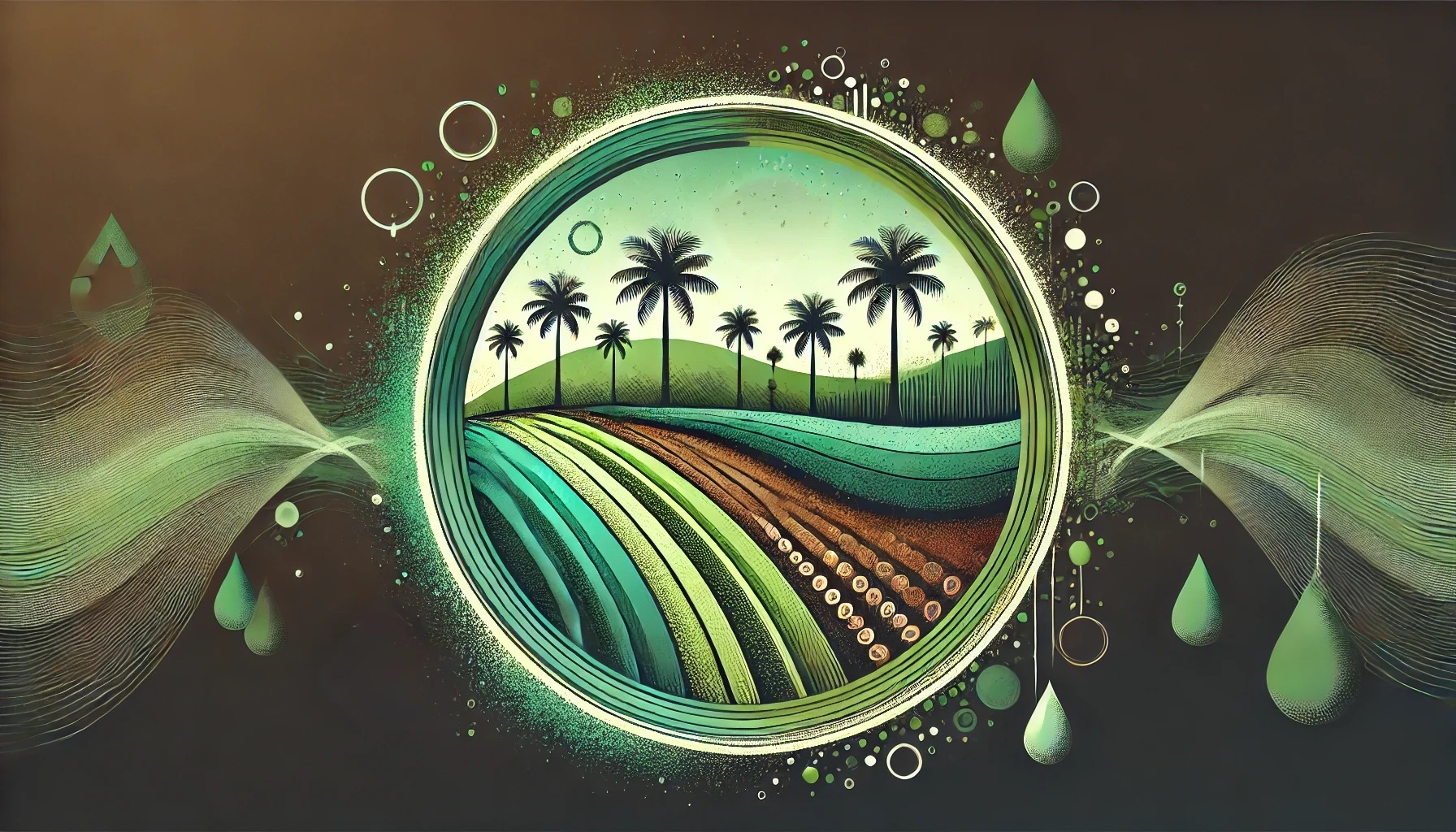
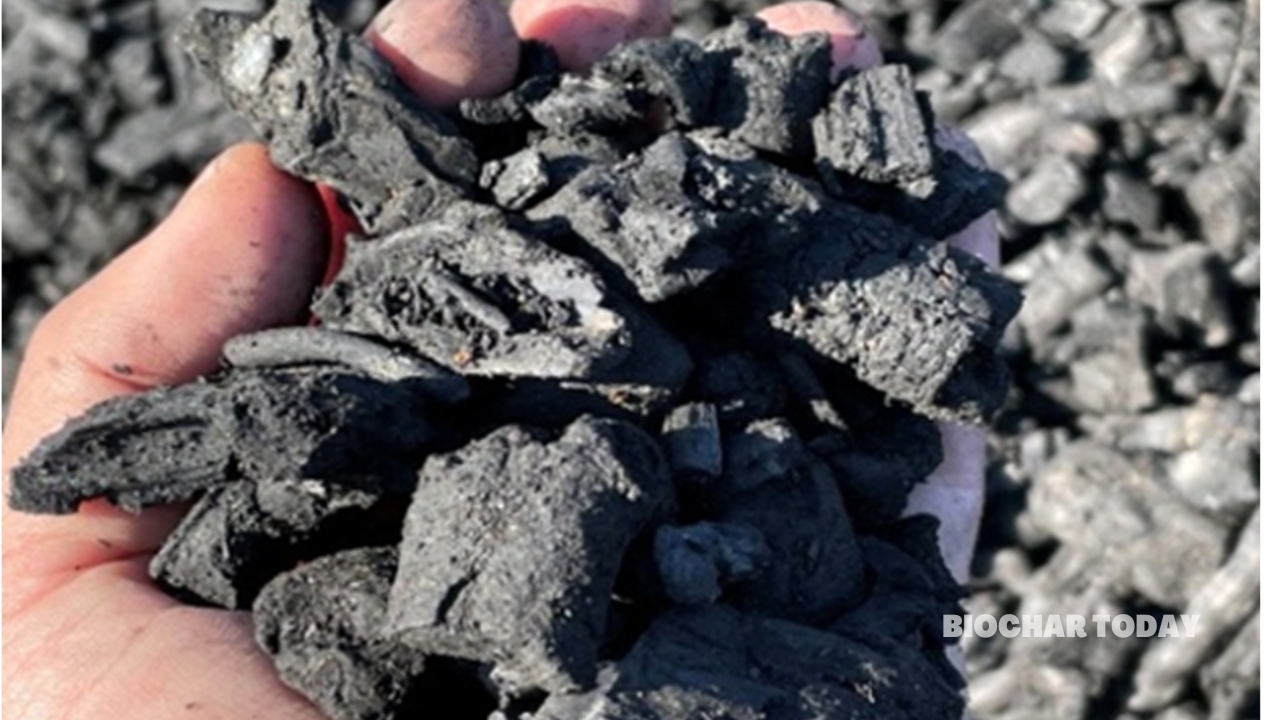
Saudi Arabia has introduced its first biocharBiochar is a carbon-rich material created from biomass decomposition in low-oxygen conditions. It has important applications in environmental remediation, soil improvement, agriculture, carbon sequestration, energy storage, and sustainable materials, promoting efficiency and reducing waste in various contexts while addressing climate change challenges. More initiative, converting palm waste into a sustainable resource to improve farming practices. Led by the National Center for Palms and Dates in partnership with the Ministry of Environment, Water, and Agriculture, the project aims to reduce water consumption and enhance agricultural productivity across the Kingdom.
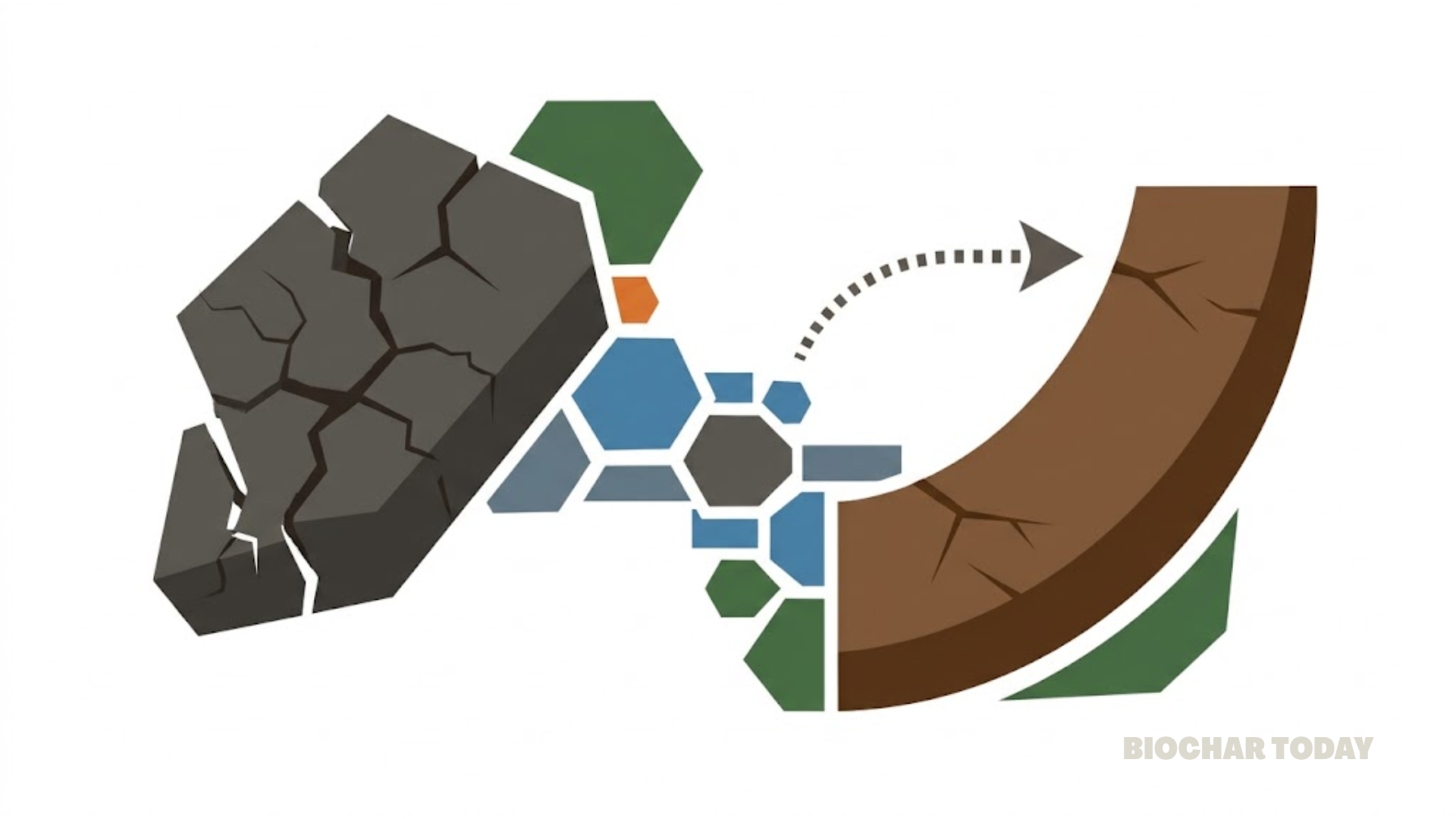
Biochar, a carbon-rich material, improves soil structure, increases nutrient availability, and enhances water retention, leading to a 30% reduction in water usage for farmers. It also promotes faster plant growth and higher yields, offering a sustainable solution for the agricultural sector. Additionally, biochar helps lower greenhouse gas emissions, aligning with Saudi Arabia’s efforts to mitigate climate change.
The initiative is part of the Kingdom’s broader goal to support a circular economy, where waste is repurposed into valuable resources. With over 36 million palm trees across Saudi Arabia, the abundance of palm waste offers significant potential for biochar production, creating new economic opportunities for investors and entrepreneurs.
By focusing on sustainable agricultural practices, the initiative underscores Saudi Arabia’s commitment to environmental stewardship and economic innovation.
READ MORE: Saudi Arabia’s palm waste biochar initiative cuts farming water use by 30%

Leave a Reply