
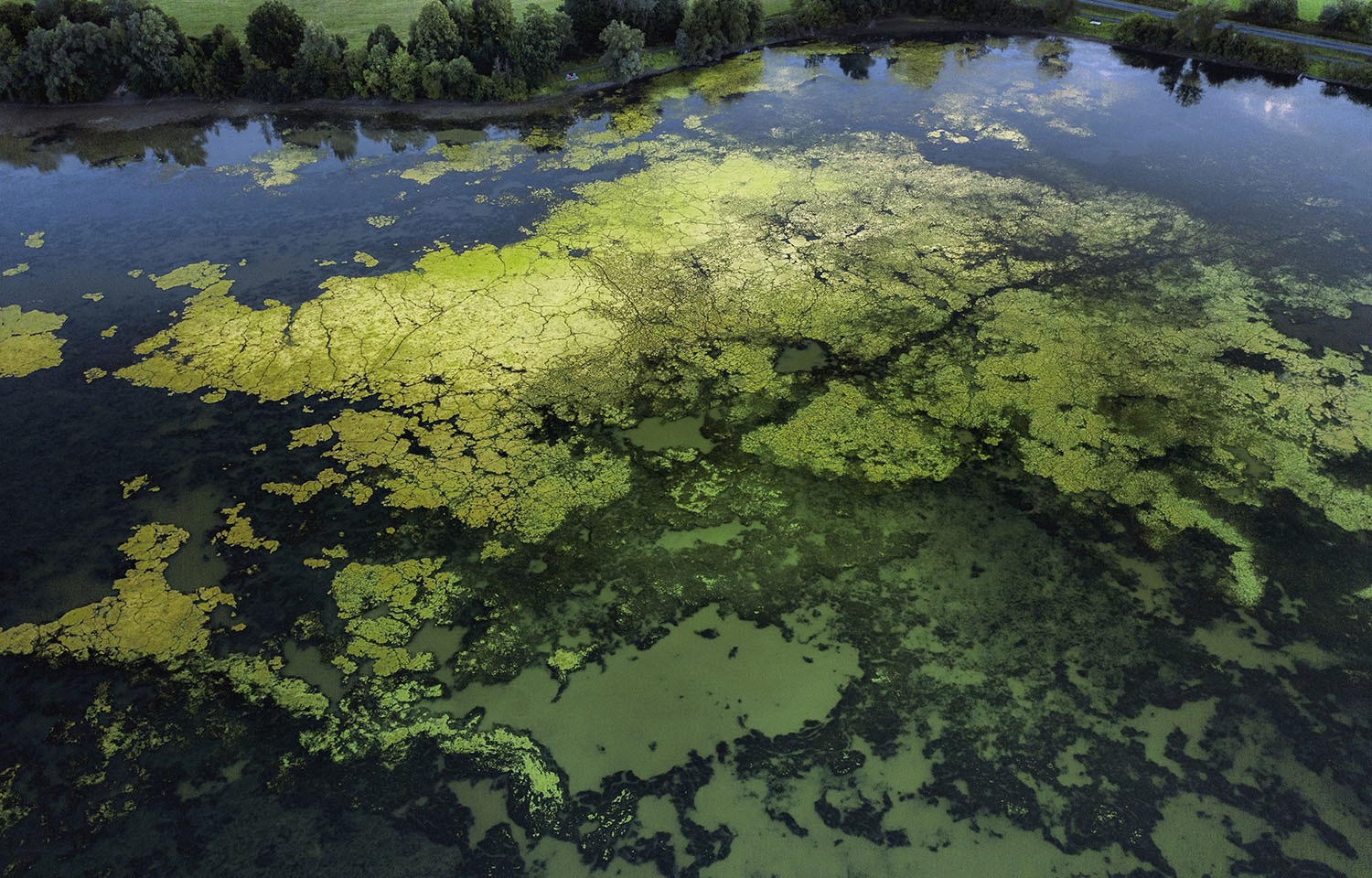
SeafoodSource is highlighting key updates in sustainable seafood initiatives, with biocharBiochar is a carbon-rich material created from biomass decomposition in low-oxygen conditions. It has important applications in environmental remediation, soil improvement, agriculture, carbon sequestration, energy storage, and sustainable materials, promoting efficiency and reducing waste in various contexts while addressing climate change challenges. More emerging as a pivotal player. Researchers at Scotland’s Industrial Biotechnology Innovation Centre (IBioIC) are advancing efforts to convert sewage sludge into biochar, a phosphorus-rich material beneficial for farming and the environment. This innovation addresses the critical issue of algal blooms in marine areas, which can threaten wild fish stocks and aquaculture operations.
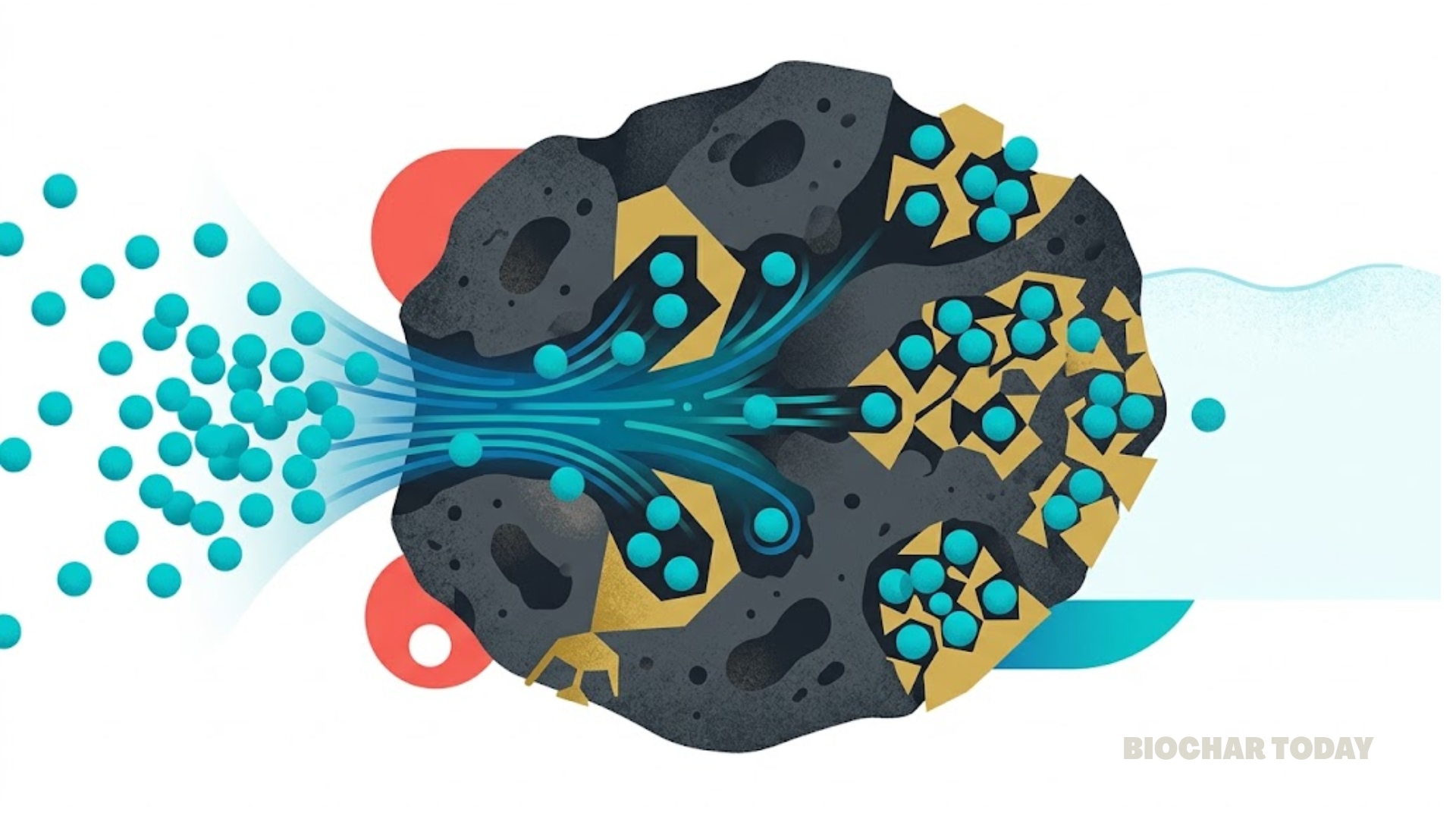
Biochar serves as an effective filter, removing excess phosphorus from marine environments, thereby preventing the formation of harmful algal blooms. These blooms, exacerbated by climate change and rising water temperatures, pose significant challenges to marine ecosystems. Liz Fletcher, IBioIC’s Business Engagement Director, emphasizes the potential of biochar to mitigate these challenges, highlighting its role in transforming waste into a valuable resource.
The creation of biochar represents a promising step towards circular economy practices, offering a sustainable solution that benefits multiple industries. Although still in its early stages, the market for biochar is expected to grow, providing a dual benefit of waste reduction and enhanced environmental protection.
In addition to biochar, SeafoodSource notes other sustainability efforts, such as the “Move to -15°C” campaign by Nomad Foods and Morrisons, which aims to reduce carbon emissions through more energy-efficient freezer practices. Alongside these efforts, the AZTI Technology Centre’s DNA testing method for fish stomach contents enhances fisheries management, promoting sustainable exploitation of marine ecosystems.
Overall, biochar’s role in sustainable seafood practices exemplifies how innovative waste management solutions can address environmental challenges and support industry sustainability goals.
LEARN MORE: Nomad Foods, Morrisons join Move to -15°C movement; Biochar could reduce algae blooms


Leave a Reply