
BiocharBiochar is a carbon-rich material created from biomass decomposition in low-oxygen conditions. It has important applications in environmental remediation, soil improvement, agriculture, carbon sequestration, energy storage, and sustainable materials, promoting efficiency and reducing waste in various contexts while addressing climate change challenges. More has emerged as a promising tool for both enhancing soil health and mitigating climate change. Its ability to improve soil fertility, water holding capacityWater holding capacity is the amount of water that soil can retain. Biochar can significantly increase the water holding capacity of soil, improving its ability to withstand drought conditions and support plant growth. More, and nutrient retention has garnered significant interest from farmers and environmentalists alike. Restoration Bioproducts, a Virginia-based company, is at the forefront of this biochar revolution with its flagship project: the Waverly facility.
The Waverly Project: A Model for Sustainable Biochar Production
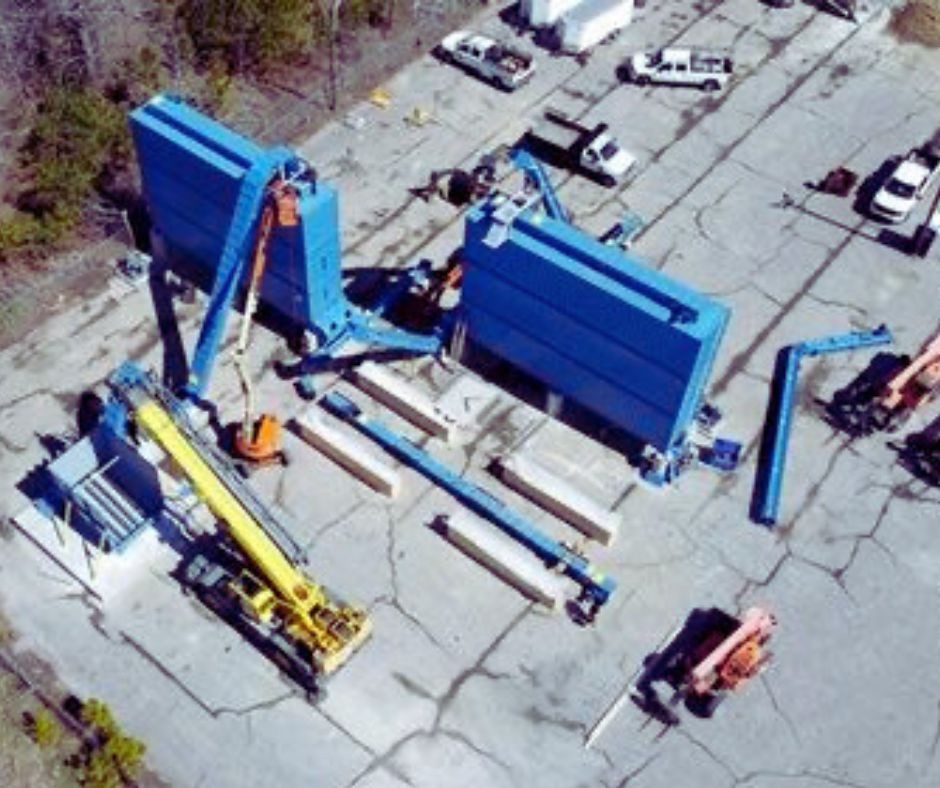
Located in Waverly, Virginia, the Restoration Bioproducts facility is poised to become the largest biochar plant in the southeastern United States. With construction well underway and completion slated for the first quarter of 2024, the plant will have the capacity to produce 10,000 tons of biochar annually. This biochar will be derived from a variety of sustainable feedstocks, including wood residues, agricultural waste, and energy crops.
The Waverly project is not simply about biochar production; it is a model for the future of sustainable agriculture. The facility will be powered by renewable energy sources, such as solar and biogas, further minimizing its environmental footprint. Additionally, Restoration Bioproducts plans to partner with local farmers to source feedstockFeedstock refers to the raw organic material used to produce biochar. This can include a wide range of materials, such as wood chips, agricultural residues, and animal manure. More and provide educational programs on the benefits of biochar use.
Biochar: A Multifaceted Solution
The benefits of biochar are numerous. When applied to soil, biochar improves soil structure and aeration, leading to better water infiltration and retention. It also acts as a sponge for nutrients and carbon, preventing them from leachingLeaching is the process where nutrients are dissolved and carried away from the soil by water. This can lead to nutrient depletion and environmental pollution. Biochar can help reduce leaching by improving nutrient retention in the soil. More into waterways and the atmosphere. This makes biochar a valuable tool for both improving crop yields and combating climate change.
In addition to its soil-health benefits, biochar can also be used as a renewable energy source and a feedstock for various industrial products. This versatility makes biochar a truly sustainable solution with the potential to revolutionize multiple industries.
The Road Ahead
The Waverly project is a significant step forward in the advancement of biochar technology. By demonstrating the commercial viability of large-scale biochar production, Restoration Bioproducts is paving the way for a more sustainable future. As the biochar industry continues to grow, projects like Waverly will be crucial in ensuring that this innovative technology reaches its full potential.
With its commitment to sustainability and innovation, Restoration Bioproducts is setting a new standard for the biochar industry. The Waverly project is not just a biochar plant; it is a beacon of hope for a greener future.
The Waverly project is a testament to the transformative power of biochar. This innovative technology has the potential to address some of the most pressing challenges facing our planet, from climate change to food security. As the biochar industry continues to evolve, projects like Waverly will be at the forefront, driving us towards a more sustainable future.
READ MORE: https://biomassmagazine.com//articles/restore-and-revive






Leave a Reply