
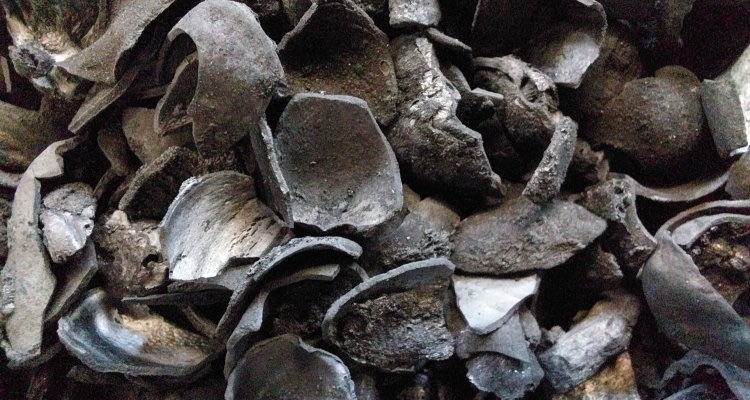
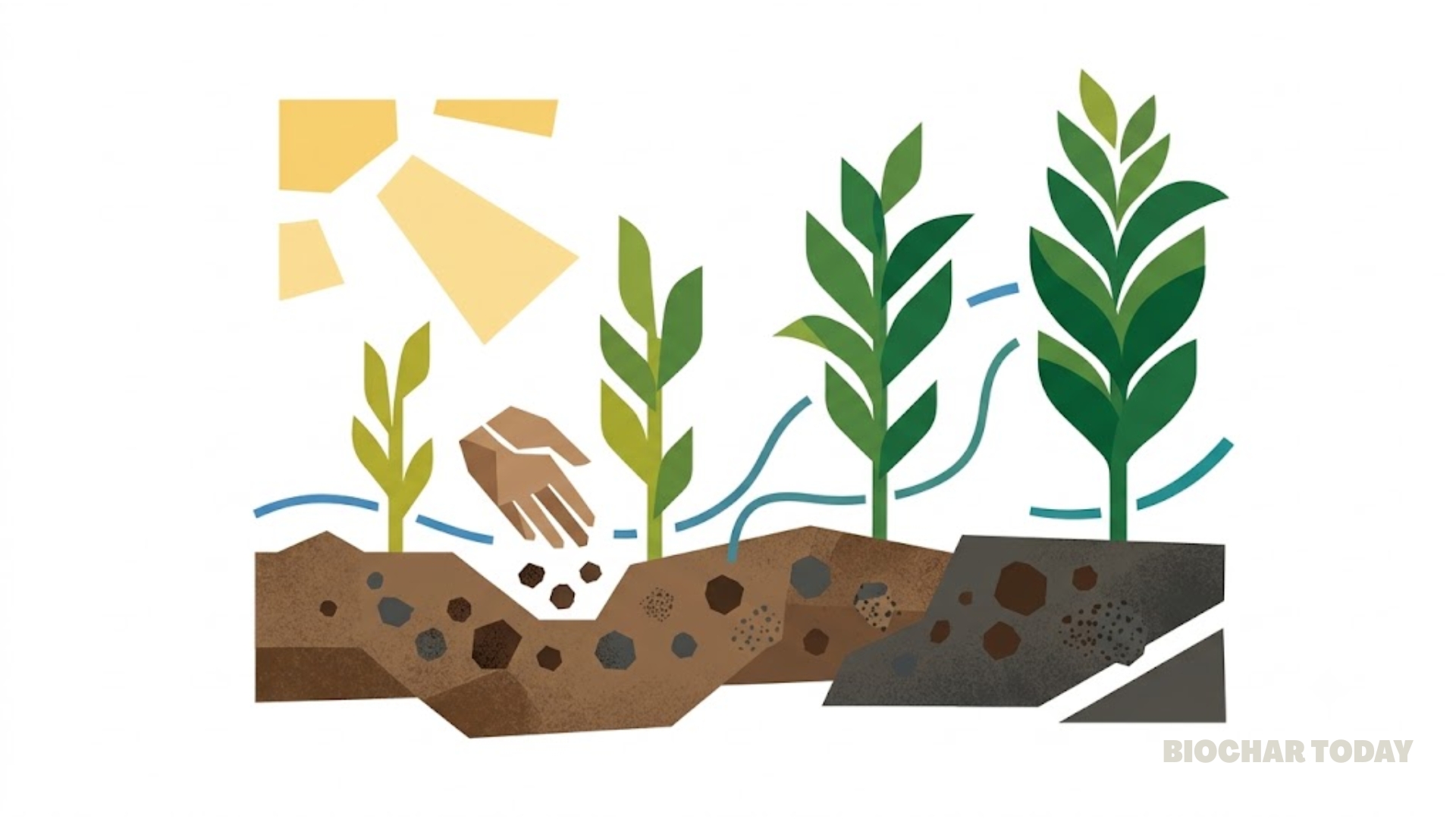
The horticultural sector is gradually reducing the use of peat for the production of potting soils. Alternative materials will be required as a replacement. BiocharBiochar is a carbon-rich material created from biomass decomposition in low-oxygen conditions. It has important applications in environmental remediation, soil improvement, agriculture, carbon sequestration, energy storage, and sustainable materials, promoting efficiency and reducing waste in various contexts while addressing climate change challenges. More has a lot of potential, but is still barely used in greenhouse horticulture. This is partially because biochar suppliers and potting soil companies still do not know each other well enough. Therefore, Wageningen University & Research BU Greenhouse Horticulture is working on joint business cases to bring them together. Researcher Antonella Cristina: “With biochar, potting soil companies can contribute to reducing CO2 emissions.”
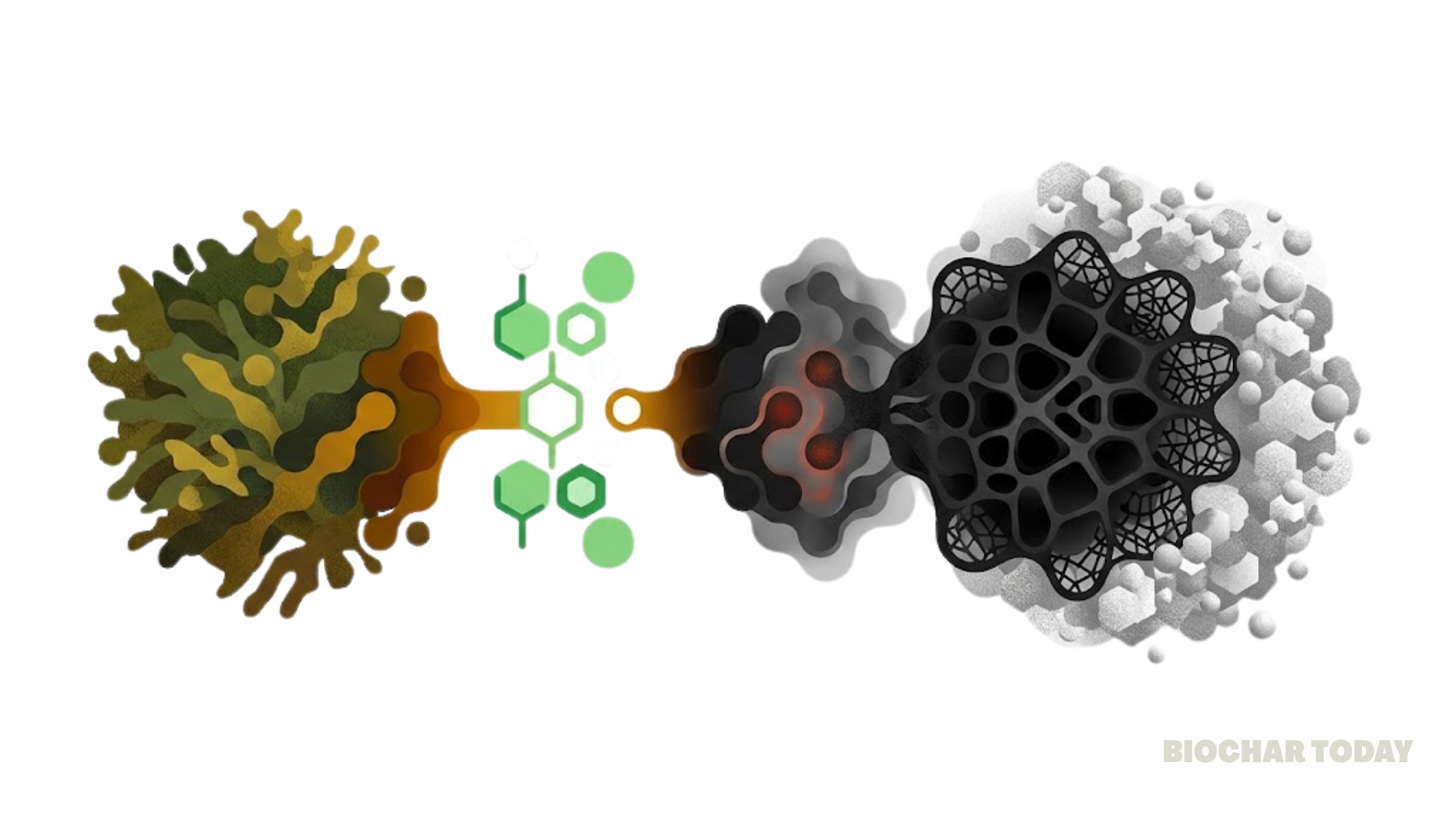
Biochar is produced from biomassBiomass is a complex biological organic or non-organic solid product derived from living or recently living organism and available naturally. Various types of wastes such as animal manure, waste paper, sludge and many industrial wastes are also treated as biomass because like natural biomass these More through pyrolysisPyrolysis is a thermochemical process that converts waste biomass into bio-char, bio-oil, and pyro-gas. It offers significant advantages in waste valorization, turning low-value materials into economically valuable resources. Its versatility allows for tailored products based on operational conditions, presenting itself as a cost-effective and efficient More: the thermochemical conversion of biomass in the absence of oxygen. What remains is a charcoal-like product with a high carbon content: it is a viable alternative to peat. Cristina continues: “Biochar is also very suitable for cultivation due to its favorable characteristics such as porosityPorosity of biochar is a key factor in its effectiveness as a soil amendment and its ability to retain water and nutrients. Biochar’s porosity is influenced by feedstock type and pyrolysis temperature, and it plays a crucial role in microbial activity and overall soil health. Biochar More and hydrophilic properties”
Despite its benefits, biochar is still rarely used in greenhouse horticulture. This is primarily due to the relatively high cost and small available volumes, the possible fluctuations in metals, dust and smell.
Collaborating on knowledge development
Firstly, the properties of biochar: it can be made from various types of organic waste such as crop residues, wood and even nut shells. The composition is closely related to the starting material and can vary, resulting in a range of qualities. Depending on the technical process used, biochar can be contaminated with substances like heavy metals and PAHs. A European Biochar Certificate (EBC) has now been established, which includes guidelines for the production.
Despite the advanced knowledge in research, there is still a lack of trust in practice. To develop trust, it is essential that biochar producers and potting soil companies improve their cooperation so they can collaborate on knowledge development, product innovation, and even make sure permits mention this relatively new material. Therefore, WUR has submitted a PPS proposal to the Top Sector Horticulture and Starting Materials to bring supply chain parties together. In November 2024, it will be announced whether this proposal has been approved.
SOURCE: Wageningen University and Research

Leave a Reply